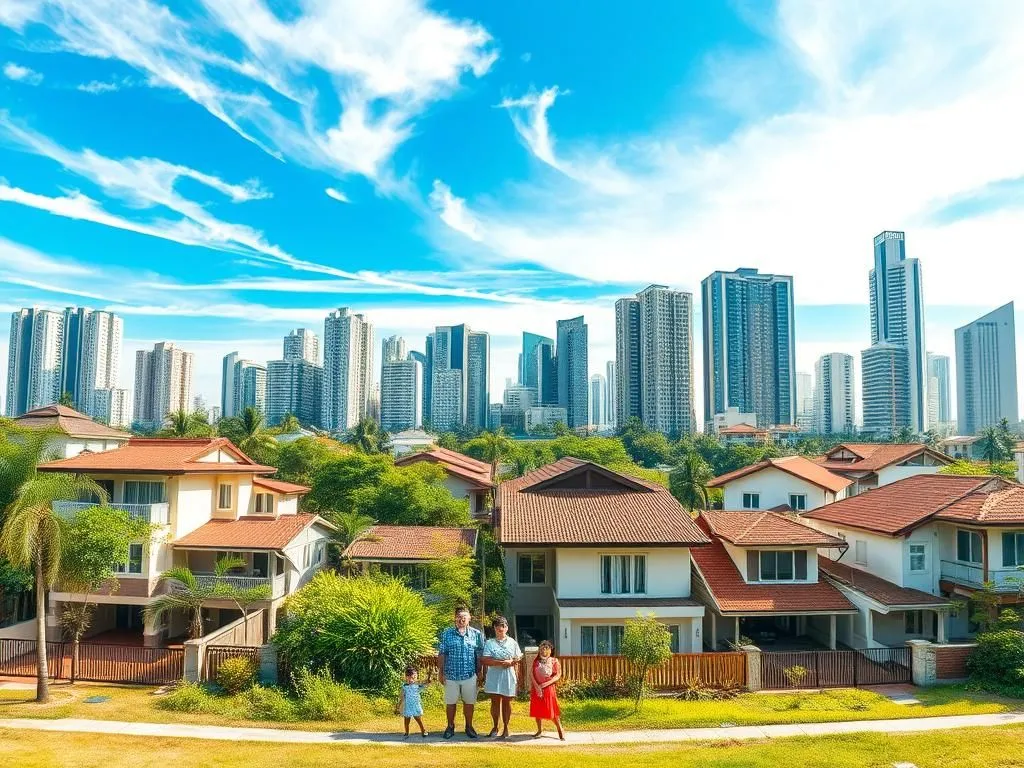

Unlocking the Secrets of Malaysian Residential Housing: A Deep Dive into Homes and Communities
Key Takeaways
- Diverse Housing Landscape: Malaysia offers a wide range of residential options, from terraced houses and bungalows to condominiums and specialized long-stay apartment hotels.
- Resident Satisfaction Factors: Happiness in Malaysian homes is driven by design, accessibility, shared facilities, neighborhood safety, maintenance, and proximity to essential services.
- Development Challenges: The market faces issues like "residential overhang" (unsold completed homes) and abandoned projects, highlighting a mismatch between supply and demand and risks for buyers.
- Economic Influences: Property prices are affected by nominal and real values, global events like COVID-19, and foreign investment through initiatives such as the Malaysia Golden Visa.
- Evolving Market: The residential sector is continuously adapting to changing lifestyles, family needs, and global demands, offering innovative living solutions.
Welcome, curious readers, to an exciting journey into the heart of Residential Housing in Malaysia! If you've ever wondered what makes a house a home in this vibrant country, or what goes on behind the scenes in its bustling property market, you're in for a treat. From towering city apartments to charming suburban homes, Malaysia offers a diverse and ever-evolving housing landscape. But what truly makes residents happy? What challenges do developers face? And how do big economic changes or even foreign interest shape where people live? We're here to pull back the curtain and explore these fascinating questions, bringing you a comprehensive look at what it means to live in Malaysia, from the cozy corners of a family home to the grand designs of urban planning.
Malaysia's residential property market is a dynamic world, shaped by many different forces. It's not just about bricks and mortar; it's about people, communities, and the dreams they build within their walls. We’ll uncover how homes are planned and built, how happy people are with where they live, what makes the market tick, and the problems that pop up along the way. Get ready to explore a fascinating blend of local insights and global influences that make Malaysian housing truly unique.
The Heart of the Home: What Makes Residents Happy?
When we talk about residential housing, one of the most important things to consider is whether the people living there are truly happy. What makes a place feel like home? For many, it's more than just a roof over their heads; it's about comfort, safety, and a sense of belonging. In Malaysia, understanding what makes residents satisfied is a big part of creating successful communities, especially in both public and private low-cost housing.
Let's start with public low-cost housing. These homes are designed to help people who might not have a lot of money to buy a place of their own. Researchers have looked closely at newly designed public low-cost housing to see what makes residents feel good about their living spaces. They found that things like the way the buildings are designed, how easy it is to get around, and the quality of the shared spaces all play a huge role. Imagine living in a place where the rooms are bright, the hallways are clean, and there's a nice playground nearby for children – these are the kinds of details that can really boost someone's happiness. Good planning means thinking about more than just the basics; it means creating an environment where people can thrive. It's about ensuring there are enough shared facilities, like multi-purpose halls or small shops, within easy reach. The layout of the units themselves, how much natural light they get, and how well they are maintained can dramatically influence daily life and overall contentment. For residents, feeling safe and having a sense of community are also very important. When neighbours know each other and there are opportunities for social interaction, the feeling of belonging grows stronger, turning a mere dwelling into a cherished home.
Source: ScienceDirect – Assessment of residential satisfaction in newly designed public low-cost housing
But it’s not just about the design of the building itself. The area around the home, what we call the 'neighbourhood', is super important too. For those living in private low-cost housing, studies show that certain neighbourhood factors really shape how happy residents are with their homes. Think about it: a house can be lovely inside, but if the streets outside aren't safe, or if there are no parks for kids to play in, or if it's hard to get to the nearest shop or school, it can make living there much less enjoyable. Key things that matter include how safe the neighbourhood feels, how well-maintained the public spaces are (like roads and sidewalks), and how many useful services are close by. For instance, having a local market, a clinic, or a good school within a reasonable distance makes a big difference.
Source: ScienceDirect – Neighbourhood factors in private low-cost housing in Malaysia
A vibrant neighbourhood also often includes green spaces, like small parks or gardens, where people can relax and connect with nature. These areas not only make the environment more pleasant but also encourage community interaction and outdoor activities. Furthermore, easy access to public transport can significantly improve the quality of life for residents, allowing them to commute to work or access other facilities without relying heavily on private vehicles. When these neighbourhood factors are thoughtfully considered and well-provided, they create a supportive and engaging environment that significantly contributes to resident satisfaction in private low-cost housing, making these communities much more desirable places to live.
Building Dreams, Facing Hurdles: Development and Challenges in Malaysian Housing
Developing residential housing is a complex business. While Malaysia has seen incredible growth and many new homes popping up, there are also some big challenges that builders, buyers, and planners have to face. Sometimes, despite all the effort, things don't go quite as planned, leading to issues like too many unsold homes or even projects that never get finished.
One of these challenges is called "residential overhang." What does that mean? Imagine a baker making lots and lots of cakes, but then not enough people buy them, so they have many cakes left over. In housing, "residential overhang" means there are many completed homes that are ready to be sold but have not found buyers for over nine months. This can happen for many reasons. Sometimes, developers build too many houses in one area, or the prices are too high for what most people can afford. Other times, the type of houses built might not be what people are looking for. For example, there might be lots of big, expensive houses when most people need smaller, more affordable ones. This overhang can be a big problem because it means money is tied up in unsold properties, which can make developers hesitant to start new projects, slowing down the housing supply. It also shows a mismatch between what is being built and what the market actually needs or can afford. Solving this often involves careful planning to match supply with demand, understanding what types of homes are truly needed, and making sure prices are realistic for the average Malaysian family.
Source: IOP Science – Overview on built environment planning: Residential overhang
Another serious issue that can sometimes emerge in the Malaysian housing sector is the problem of abandoned housing projects. Picture this: a building site that looks like it was suddenly left in a hurry, with half-built structures, overgrown weeds, and no workers in sight. These are abandoned housing projects, and they pose complex problems for everyone involved. Why do projects get abandoned? It can be due to many reasons, such as financial problems with the developer, bad management, legal issues, or even changes in the economy that make the project no longer profitable.
Source: UIIS – UNDERSTANDING ABANDONED HOUSING PROJECTS IN MALAYSIA
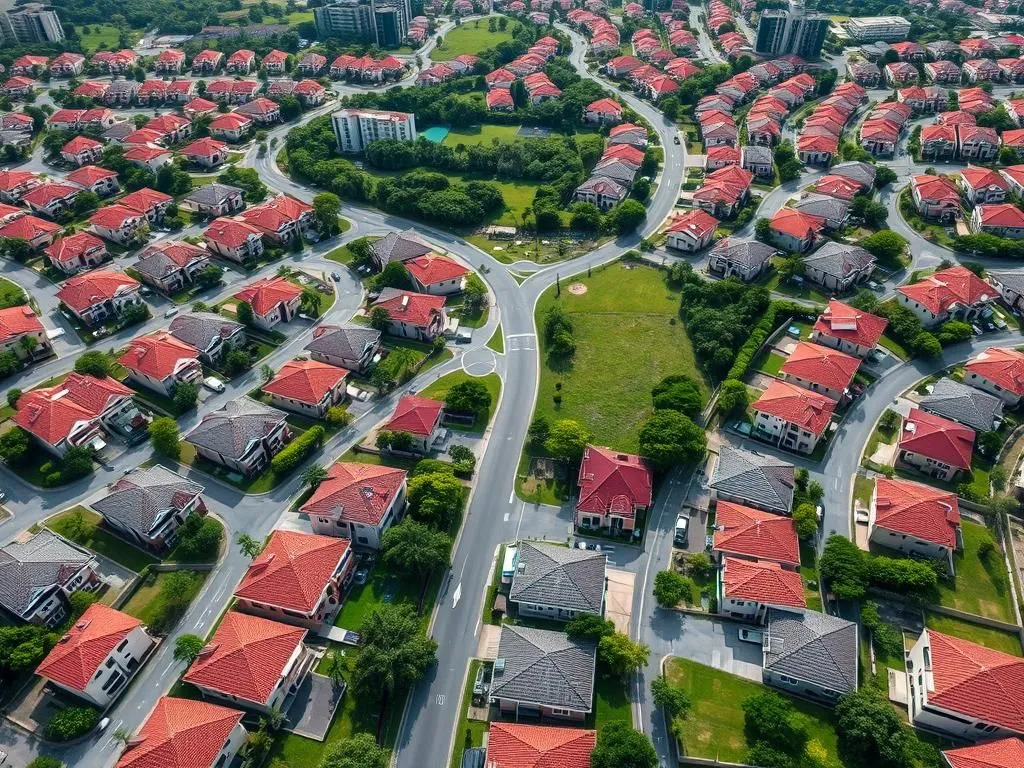
Suburban areas in Malaysia, particularly around major cities, undergo extensive residential development to accommodate growing populations. These large-scale housing projects represent a significant aspect of the nation's evolving urban landscape. They play a crucial role in providing diverse housing options, from individual homes to more densely populated estates, contributing to the overall infrastructure and community planning.
For the people who bought these homes, it’s a nightmare. They've likely paid deposits or even taken out loans for homes that might never be completed, leaving them without a place to live and often in financial distress. These abandoned sites can also become eyesores, attracting crime, and lowering the value of surrounding properties. They can be dangerous, with open foundations and exposed building materials posing risks, especially to children playing nearby. Furthermore, they represent a significant waste of resources—land, materials, and labor—that could have been used to create much-needed homes. Governments and housing authorities often step in to try and revive these projects or compensate affected buyers, but it's a long and difficult process. Understanding the root causes is crucial for preventing future abandonments and ensuring that the dreams of homeownership don't turn into nightmares for Malaysian families. This requires robust oversight, careful financial planning by developers, and protective measures for buyers to ensure the stability and reliability of the housing market.
The Price of a Place: Understanding Property Economics in Malaysia
The economy plays a huge role in the world of residential housing. Just like the price of your favourite snack can go up or down, so too can the price of houses. In Malaysia, understanding these price changes is key for anyone looking to buy, sell, or even just keep an eye on the market. We look at prices in two main ways: nominal and real.
When we talk about "nominal residential property prices," we're looking at the actual money amount that houses are sold for at any given time. If a house sold for RM300,000 last year and RM320,000 this year, the nominal price has gone up. It’s the raw, unadjusted price tag you see. These figures give us a snapshot of how much houses are costing buyers in current Ringgit. Tracking these nominal prices over time helps us see general trends in the market. Are prices generally increasing, decreasing, or staying flat? This helps developers decide where and what to build, and it helps buyers understand if now might be a good time to enter the market. For instance, if nominal prices are steadily climbing, it might suggest a strong demand for housing or an increase in the cost of building materials.
Source: FRED | St. Louis Fed – Residential Property Prices for Malaysia (Nominal)
However, nominal prices don't tell the whole story. To get a clearer picture of what a house truly costs and how much "buying power" your money has, we need to look at "real residential property prices." What's the difference? Real prices take into account something called inflation. Inflation is when the cost of living goes up, so your money buys a little less than it used to. For example, if a house's nominal price goes up by 5% in a year, but inflation also went up by 3%, then the real increase in the house's price is only 2%. Real prices give us a truer sense of how affordable housing is becoming over time, adjusting for how much money is worth. If real prices are going up, it means housing is genuinely becoming more expensive relative to people's incomes and other goods. If real prices are stable or falling, it might indicate that housing is becoming more accessible, even if nominal prices appear to be rising slightly due to general inflation. Both nominal and real prices are vital tools for understanding the true health and direction of the residential property market in Malaysia.
Source: FRED | St. Louis Fed – Real Residential Property Prices for Malaysia
The world saw a huge shake-up with COVID-19, and the residential property market in Malaysia was certainly not immune to its effects. The pandemic changed how people lived, worked, and thought about their homes. Many people started working from home, which made them look for houses with more space, a quiet study area, or even a small garden. There was a shift in what people valued, with a greater emphasis on comfort, functionality, and perhaps a desire to move away from densely populated city centers. The lockdowns and economic uncertainties also made some people hesitant to buy, while others sought to upgrade their living conditions. This led to various impacts: some areas saw prices drop due to reduced demand or job losses, while others saw an increase as people sought specific types of homes. The way property was viewed also changed, with more focus on digital tours and online transactions. The pandemic reminded everyone how essential a safe and comfortable home is, influencing both buyer preferences and developer strategies moving forward.
Source: Planning Malaysia – The Effects of COVID-19 on Residential Property
Beyond local factors, foreign investment also plays a significant role in Malaysia's residential housing market. When people from other countries buy property here, it can bring new money into the market and sometimes push prices up. One way Malaysia encourages this is through initiatives like the Malaysia Golden Visa. This program allows eligible foreign individuals and their families to get a long-term visa by making a substantial investment, often including property. Such programs can attract high-net-worth individuals looking for a second home, an investment opportunity, or a place to retire. While foreign investment can boost the economy and bring in capital for new developments, it can also have an impact on affordability for local Malaysians, especially in popular urban areas. It's a delicate balance: bringing in investment while ensuring there are still plenty of affordable homes for the local population. The presence of foreign buyers can also lead to more diverse property offerings, including luxury apartments and high-end developments catering to international tastes, further diversifying the housing landscape.
Source: Bridge Properties – Your Home Journeys: Foreign Investment
The Malaysia Golden Visa program is one specific initiative that allows eligible foreign individuals and their families to get a long-term visa by making a substantial investment, often including property. This directly influences the influx of foreign capital and interest into the Malaysian property market.
Source: Henley & Partners – Malaysia Golden Visa
A Home for Every Dream: Exploring Malaysia's Diverse Residential Options
One of the most exciting things about residential housing in Malaysia is the incredible variety of homes available. Just like people have different dreams and needs, Malaysia offers a wide range of architectural designs and categories of houses to match. It's not a one-size-fits-all situation; instead, you'll find everything from cozy single-storey homes to luxurious towering condominiums.
Source: ArchDaily – Houses Categories
Let's explore some of these exciting options. You might find traditional terraced houses, which are like a row of homes joined together, sharing walls with their neighbours. These are very common and often offer a great balance of space and community living. Then there are semi-detached houses, often called "semi-D"s, which are two houses joined together, giving residents more space and privacy than a terraced house, often with a bigger garden. For those who love a lot of space and privacy, bungalows stand alone, usually with generous gardens all around. These often represent a higher-end option in the housing market.
Beyond individual houses, Malaysia's urban centers are dotted with countless condominiums and apartments. These vertical communities offer shared facilities like swimming pools, gyms, and security, making them popular choices for city dwellers and those who appreciate a lock-and-leave lifestyle. They range from compact studio apartments perfect for single professionals to spacious penthouses with stunning city views. The architectural styles themselves are incredibly varied, blending traditional Malaysian elements with modern, sleek designs. You can see homes that feature intricate wooden carvings or designs that prioritize natural ventilation, reflecting local climate, alongside contemporary structures made of glass and steel that wouldn't look out of place in any major global city. Each type of home caters to different lifestyles, family sizes, and budgets, truly offering a diverse selection for anyone looking for a place to call their own.
But the variety doesn't stop there. Malaysia also offers specialized accommodations that cater to unique needs, such as long-stay apartment hotels. Imagine needing a place to stay for several weeks or even months, perhaps for work or an extended family visit, but wanting more space and amenities than a regular hotel room. That's where places like the Hyatt House Kuala Lumpur Mont Kiara come in. These are not just hotel rooms; they are designed more like small apartments, often featuring separate living areas, fully equipped kitchens, and laundry facilities. They offer the convenience and services of a hotel, like housekeeping and often a breakfast buffet, combined with the comfort and privacy of a home.
Source: Hyatt – Long Stay Apartment Hotel | Hyatt House Kuala Lumpur Mont Kiara
These specialized options are perfect for business travelers on extended assignments, families relocating or on holiday. They provide a flexible and comfortable living solution that bridges the gap between a short-term hotel stay and a long-term rental, reflecting the diverse and evolving needs within Malaysia's vibrant housing sector. This demonstrates how the market is adapting to different lifestyles and global demands, offering innovative solutions for various types of residents, whether they are looking for a permanent home or a temporary dwelling that feels just like one.
Source: Bridge Properties – Your Home Journeys: Long-Term Stays
Finding Your Place in Malaysia: A Look Ahead
As we wrap up our deep dive into Residential Housing in Malaysia, it's clear that this is a market buzzing with life, full of exciting opportunities and unique challenges. We've explored what truly makes residents happy, from well-designed public housing to safe and friendly neighbourhoods. We've also looked at the hurdles, like the tricky problem of residential overhang and the unfortunate reality of abandoned projects, which planners and developers are constantly working to overcome.
Economically, we've seen how the dance between nominal and real property prices tells a story of affordability and investment, how global events like COVID-19 can reshape our housing dreams, and how foreign interest, sparked by initiatives like the Malaysia Golden Visa, adds another layer to the market's complexity. And finally, we celebrated the incredible diversity of homes available, from classic terraced houses to modern high-rise apartments and innovative long-stay hotels, ensuring there's a space for every dream and every lifestyle.
The world of Malaysian residential housing is a colourful mosaic of communities, economic forces, and architectural wonders. It’s a market that is always growing, adapting, and striving to meet the evolving needs of its people. Whether you're a first-time homebuyer, an experienced investor, or simply curious about the places people call home, Malaysia's housing landscape offers a fascinating journey.
If you're inspired to find your own slice of this vibrant market, whether you’re looking to buy a new home, rent an apartment, or simply explore the options, a great place to start your search is Property Guru. They offer a comprehensive platform to help you navigate the myriad of choices and find the perfect place to call your own in Malaysia. The journey to finding your dream home is an exciting one, and with the right understanding of the market, you're well on your way to making informed decisions.
Frequently Asked Questions
Question: What factors contribute to resident satisfaction in Malaysian housing?
Answer: Resident satisfaction is influenced by design, accessibility, quality of shared spaces in public housing, and neighbourhood factors like safety, maintenance, and proximity to services in private housing.
Question: What are "residential overhang" and "abandoned housing projects" in Malaysia?
Answer: Residential overhang refers to completed homes that remain unsold for over nine months, indicating a mismatch between supply and demand. Abandoned projects are construction sites left unfinished, leading to financial distress for buyers and a waste of resources.
Question: How does foreign investment impact Malaysia's residential housing market?
Answer: Foreign investment brings capital and can drive up property prices, especially in urban areas. Initiatives like the Malaysia Golden Visa attract high-net-worth individuals, balancing economic boost with local affordability concerns.
Disclaimer: The information is provided for general information only. BridgeProperties makes no representations or warranties in relation to the information, including but not limited to any representation or warranty as to the fitness for any particular purpose of the information to the fullest extent permitted by law. While every effort has been made to ensure that the information provided in this article is accurate, reliable, and complete as of the time of writing, the information provided in this article should not be relied upon to make any financial, investment, real estate or legal decisions. Additionally, the information should not substitute advice from a trained professional who can take into account your personal facts and circumstances, and we accept no liability if you use the information to form decisions.
