.webp)
Navigating the World of Tax in Malaysia: What Every Resident and Investor Needs to Know
Key Takeaways
- Comprehensive System: Malaysia's tax system encompasses individual income tax, indirect taxes, and specific provisions for foreign investors, all contributing to national development.
- Digital Access: The
MyTax portalserves as the primary official resource for taxpayers, offering guidance on obligations and rights. - Economic Fuel: Tax revenue, measured as a percentage of GDP, is vital for funding public services, infrastructure, and social programs, reflecting the nation's financial health.
- Global Investment Focus: Malaysia provides strategic tax incentives to attract foreign investors, enhancing economic growth and job creation.
- Green Initiatives: The upcoming carbon tax demonstrates Malaysia's commitment to environmental sustainability and decarbonization goals.
Unlocking the Secrets of Tax in Malaysia: Your Essential Guide to Navigating the Financial Landscape
Have you ever wondered how a country’s money system works? It’s a bit like a giant puzzle, and a huge, important piece of that puzzle is called tax. For anyone living in Malaysia, planning to live here, or even just doing business, understanding how Malaysia's tax system operates is super important. It’s not just about paying bills; it’s about understanding how the country builds roads, funds schools, and helps its people thrive. So, buckle up! We’re about to embark on an exciting journey to explore the ins and outs of tax in Malaysia, uncovering everything from individual income taxes to big-picture economic strategies and even how Malaysia is thinking about a greener future.
Getting started can sometimes feel overwhelming, but thankfully, there's a fantastic official place where you can find most of the information you need: the MyTax portal. Think of it as your first stop, a friendly guide in the world of Malaysian taxation1. This comprehensive guide will help you understand the landscape, whether you're a local resident or an international investor looking to make your mark.
The Foundation: Understanding Malaysia's Tax System
At its heart, Malaysia's tax system is designed to support the nation's growth and provide essential services for its citizens. It's a vast and varied system, touching almost every part of economic life. For both people living in Malaysia and those with money interests here, knowing how this system works is absolutely crucial. It’s like knowing the rules of a game before you start playing – it helps you play better and avoid surprises. The MyTax portal isn't just a website; it’s a primary resource, a beacon guiding taxpayers through their obligations and rights, ensuring everyone has access to vital information. To delve deeper into the overall legal and regulatory environment that shapes the tax system, check out this comprehensive guide2.
Your Personal Contribution: Diving into Individual Income Tax
Let's start with something many of us are familiar with: taxes on personal income. If you earn money in Malaysia, you're likely to pay income tax. This isn't just a small part of the country’s finances; it's a really big deal, making up a significant chunk of the national economy. When you pay your income tax, you're directly contributing to the nation's health, education, and infrastructure – things that benefit everyone.
For a deeper dive into the specifics of what this means for you, including details on how your income is taxed, the deductions you might be able to claim, and the rates that apply, you can check out excellent resources like the one provided by PwC. They offer clear, detailed summaries that help clarify the often-complex world of personal income tax in Malaysia3. Understanding these details empowers you to manage your finances wisely and meet your obligations confidently. For insights on navigating the Malaysian legal framework, which impacts income tax regulations, read more here2.
The Bigger Picture: How Tax Revenue Fuels Malaysia's Growth
Beyond individual contributions, let's zoom out to see the bigger picture. The total amount of money the government collects from taxes, known as "tax revenue," is a key indicator of a country's financial health. Think of it as the country's economic pulse. When we look at Tax revenue as a percentage of GDP (Gross Domestic Product), we get a clear idea of how much of Malaysia's total economic output is going towards public funds4. This number is super important because it shows the government's ability to fund its projects, manage its budget, and ensure a stable economy. A healthy tax revenue allows for robust public services, infrastructure development, and social programs that elevate the quality of life for all Malaysians.
Beyond Direct Payments: Exploring Indirect Taxes
Now, income tax isn't the only kind of tax out there! There's a whole other category called "indirect taxes." These are taxes you might pay without even realizing it, often included in the price of goods and services you buy. Think of sales tax or service tax – these are classic examples of indirect taxes. They play a crucial role in Malaysia's overall tax structure, helping the government collect revenue in a different way.
Understanding these indirect taxes can be a bit tricky, as they're not always as straightforward as income tax. However, resources like the Indirect Tax Guide from Grant Thornton offer clear explanations, helping you grasp how these taxes affect consumers and businesses alike in Malaysia5. Knowing about them helps you understand the true cost of things and how various economic activities contribute to the national treasury.
Malaysia and the World: Tax for Foreigners and Investors
Malaysia isn't just a thriving nation for its residents; it's also a magnet for international businesses and investors. If you're a foreign investor or involved in international trade, the world of tax gets even more interesting. You need to think about things like "tax treaties" and special rules that apply when money crosses borders. These treaties are agreements between countries to avoid double taxation, meaning you don't get taxed twice on the same income – once in your home country and again in Malaysia.
The U.S. government, for example, provides resources on United States income tax treaties which are vital for American businesses and individuals operating internationally6. Furthermore, the Agreement Between the United States of America and Malaysia on Reciprocal Trade highlights the commitment to fostering smoother international economic relationships, which naturally involves tax considerations7.
What's even more exciting for foreign investors is that Malaysia often offers special perks! The government wants to encourage international investment because it brings jobs, new ideas, and boosts the economy. That's why they introduce Tax Incentives for Foreign Investors. These incentives can make Malaysia an even more attractive place to do business. For example, the 2024 Budget in Malaysia includes specific incentives designed to draw in more foreign capital and expertise8. The Johor-Singapore Special Economic Zone is a prime example where these incentives come into play, requiring careful navigation of legal and commercial factors.
These incentives can come in many forms, such as tax exemptions for certain industries, reduced tax rates, or allowances for capital expenditure. They are strategic tools used by the government to guide investment towards sectors or regions that need a boost. Understanding these incentives is key for any foreign entity considering Malaysia as a base for their operations. They can significantly impact the profitability and feasibility of international ventures. It's truly a win-win: investors benefit from lower tax burdens, and Malaysia benefits from economic development and job creation.

Malaysia actively offers strategic tax incentives to encourage foreign investment, aiming to boost economic growth and attract global capital and expertise. These incentives are a key component of the nation's budget, designed to make Malaysia an attractive destination for international businesses. Such policies foster economic development and job creation while benefiting investors with reduced tax burdens.
Navigating Cross-Border Finances: Withholding Tax and Expat Guidance
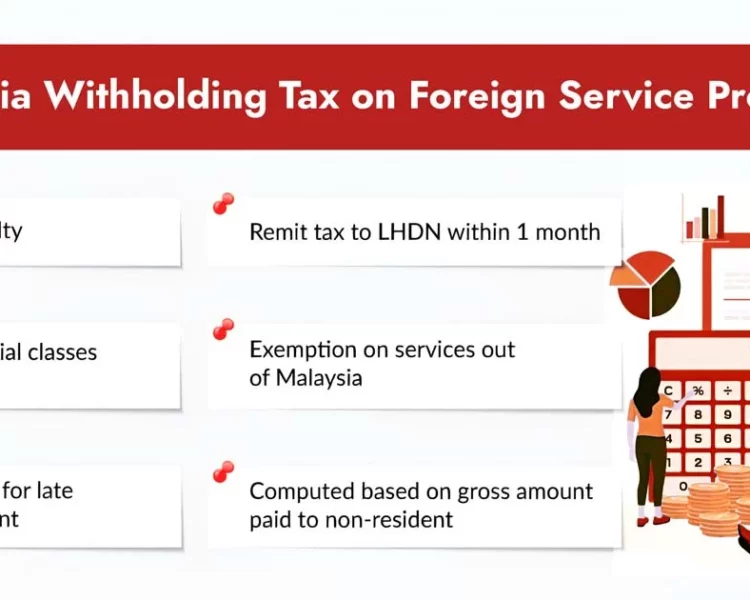
When foreign companies or individuals provide services in Malaysia, there’s another important concept to understand: withholding tax. This is when the payer of certain types of income (like fees for professional services, royalties, or interest) has to "withhold" a portion of that payment and send it directly to the tax authority. It’s a crucial part of international financial transactions, affecting foreign entities and individuals operating in Malaysia, and it helps ensure that taxes are collected on income earned in the country by non-residents9. Understanding Malaysia's intricate legal and regulatory framework is essential for both foreign companies and individuals operating within the country.
For those living and working in Malaysia as expatriates, figuring out the local tax rules can seem like a daunting task. Thankfully, there are many resources available to help. Websites like Tax Help - Malaysia from Amazon provide useful tax information, making it easier for foreign workers to understand their obligations and navigate the system10. Additionally, guides specifically tailored for expatriates, such as Tax in Malaysia | Malaysia Tax Guide - HSBC Expat, offer invaluable advice and insights to ensure a smooth transition and compliance for those new to the Malaysian tax landscape11. These resources are like having a friendly expert right by your side, explaining everything in simple terms.
A Green Future: Malaysia's Commitment to Environmental Sustainability with Carbon Tax
The world is changing, and so is Malaysia's approach to taxation. A really exciting recent development is the planned implementation of a carbon tax. This isn't just about collecting money; it's about encouraging businesses and individuals to reduce their carbon footprint and be more environmentally friendly. By putting a price on carbon emissions, Malaysia is sending a clear message: protecting our planet is a top priority.
As outlined in recent news, Malaysia sets 2026 carbon tax, reaffirming its commitment to decarbonization goals as part of its Budget 202512. This move shows Malaysia's dedication to combating climate change and moving towards a more sustainable future. It's a forward-thinking policy that aligns economic incentives with environmental responsibility, pushing industries towards greener practices and innovation. This new tax is a big step in Malaysia's journey to a more sustainable and environmentally conscious economy. Like environmental law in Malaysia, this shows a strong dedication to sustainability.
The Deeper Dive: Academic Insights into Tax Policy
It might sound complicated, but taxation isn't just about rules and numbers; it's also a subject that experts study deeply. Academic research often looks at how public policy decisions, political connections, and even how businesses operate can influence "effective tax rates." This type of study, like the one found in Public policy, political connections, and effective tax rates, helps us understand the hidden forces and complexities behind tax laws and their real-world impact13.
Such research provides valuable insights into how tax policies are formed, who they affect, and whether they achieve their intended goals. It underscores that tax is not a static concept but a dynamic field shaped by economic, social, and political factors. This scholarly perspective reminds us that the tax system is a complex, living entity, always evolving to meet the challenges and aspirations of a nation. It's a fascinating area of study that contributes to a deeper understanding of economic governance.
Conclusion: Your Journey Through Malaysia's Tax Landscape
Wow, what a journey through the intricate world of tax in Malaysia! We've explored everything from the personal income tax you pay to the grand economic indicators, the special rules for foreign investors, and even Malaysia's forward-thinking carbon tax. It's clear that tax is much more than just a payment; it's a vital tool that shapes Malaysia's economy, infrastructure, and environmental future. For a comprehensive overview of Malaysia's legal and regulatory framework, which influences the tax system, make sure to check out our other guides.
Understanding Malaysia's tax system is truly crucial for everyone, whether you're a local resident, an expatriate, or an international investor. It empowers you to make informed decisions, comply with regulations, and appreciate how your contributions help build a better nation. Remember, the MyTax portal is always your best starting point for official information and guidance. Stay curious, stay informed, and keep navigating the exciting financial landscape of Malaysia with confidence! Make sure to also understand property taxation in Malaysia, it can help you unlock wealth potential!
Frequently Asked Questions
Question: What is individual income tax in Malaysia?
Answer: Individual income tax in Malaysia is a direct tax levied on the income earned by residents and non-residents, contributing significantly to the national economy and public services.
Question: How do tax incentives benefit foreign investors in Malaysia?
Answer: Tax incentives, such as exemptions or reduced rates, are offered by the Malaysian government to attract foreign investment, leading to economic growth, job creation, and benefiting investors with lower tax burdens.
Question: What is the significance of Malaysia's planned carbon tax?
Answer: The planned carbon tax by Malaysia aims to encourage businesses and individuals to reduce their carbon footprint, aligning economic incentives with environmental responsibility to combat climate change and foster a sustainable future.
Disclaimer: The information is provided for general information only. BridgeProperties makes no representations or warranties in relation to the information, including but not limited to any representation or warranty as to the fitness for any particular purpose of the information to the fullest extent permitted by law. While every effort has been made to ensure that the information provided in this article is accurate, reliable, and complete as of the time of writing, the information provided in this article should not be relied upon to make any financial, investment, real estate or legal decisions. Additionally, the information should not substitute advice from a trained professional who can take into account your personal facts and circumstances, and we accept no liability if you use the information to form decisions.