.webp)
Unlocking the Potential: Why Home Improvement is Booming Across Southeast Asia
Key Takeaways
- Economic Boom in Southeast Asia: Home improvement is a key economic driver, fueled by growing middle classes and urbanization.
- Rise of Local Giants: Companies like Mr. D.I.Y. in Malaysia demonstrate success through accessible, low-cost models.
- Personalization and Investment: Homeowners are driven by a desire for comfort, personalization, and long-term property value enhancement.
- Innovation and Sustainability: The sector is evolving with smart home technology, eco-friendly materials, and digitalization of DIY.
- ASEAN-wide Opportunity: Growth extends across the entire region, signaling a bright future for the industry.
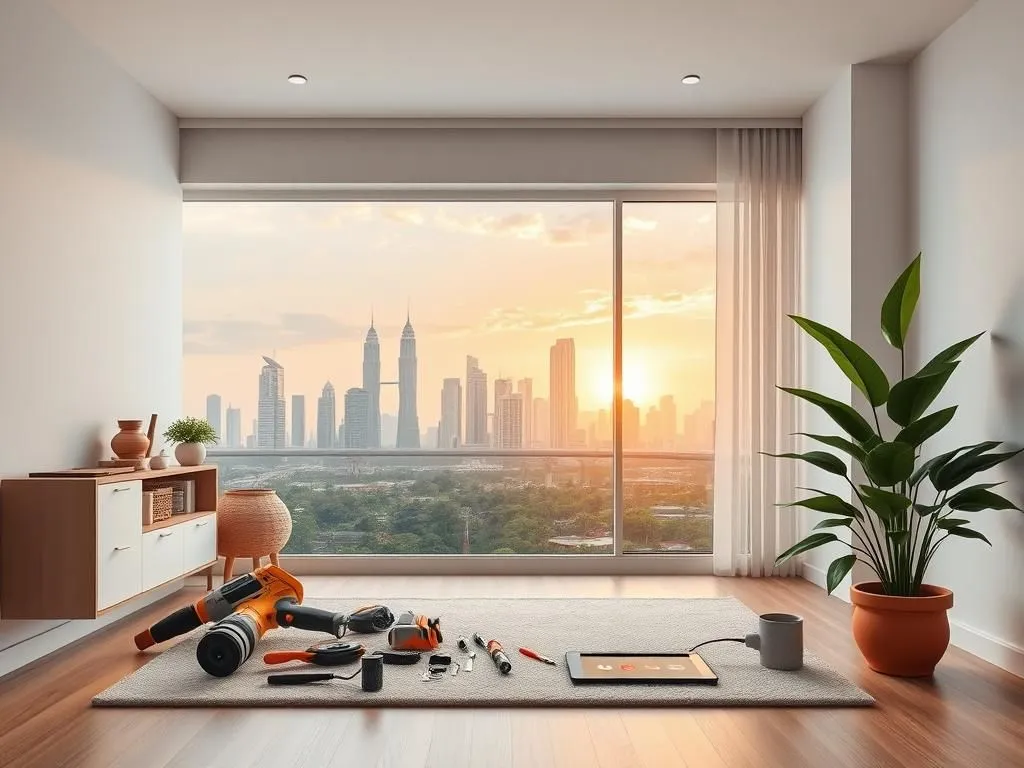
Home Improvement is more than just a trend; it's a rapidly expanding universe of possibilities, transforming living spaces and driving significant economic growth, especially across the vibrant economies of Southeast Asia. From bustling city apartments to serene suburban homes, people everywhere are looking to enhance their surroundings, making their houses truly feel like home. This exciting movement isn't just about painting walls or fixing leaky faucets; it represents a deep desire for comfort, personalization, and investing in one's future.
But what exactly is fueling this massive surge? How are regional giants emerging, and what fascinating trends are shaping the future of our living spaces? Join us as we explore the dynamic world of home improvement, uncovering the stories, strategies, and spectacular growth driving this essential sector.
The Southeast Asian Home Improvement Revolution: A Market on the Rise
Imagine a region brimming with youthful energy, growing middle classes, and economies that are constantly expanding. That's Southeast Asia today, and it's precisely these conditions that are creating a fertile ground for the home improvement market to flourish. This isn't just a hunch; the numbers and market activities tell a compelling story. The home improvement market presents a significant opportunity, particularly in Southeast Asia, with its burgeoning economies and growing middle class. The demand for renovation and construction services is substantial¹.
The sheer potential of this market is so vast that it's attracting serious attention from investors and established businesses alike. We've seen tantalizing hints of this growth, with reports indicating that a "Top Malaysia Home Improvement Chain Said to Eye $500 Million IPO"². This kind of financial ambition underscores the belief in the sector's sustained profitability and expansion capabilities.
An Initial Public Offering (IPO) of this magnitude isn't just about raising capital; it's a declaration of confidence in the market's future, signalling a belief that the appetite for home enhancement is set to continue its upward trajectory. The ASEAN home improvement market, encompassing nations like Indonesia and Singapore, is a clear example of this continued growth³.
This massive opportunity isn't just for the big players. The entire ecosystem, from small local contractors to international product manufacturers, benefits from this increasing consumer desire to beautify and upgrade their homes. The growth of economies means more disposable income, and a significant portion of that income is being channeled directly into making homes more comfortable, functional, and aesthetically pleasing. It’s a virtuous cycle: as economies grow, more people invest in their homes, which in turn stimulates further growth in the home improvement sector. You can explore more about Malaysian home improvement market growth here⁴.
Malaysia's Home Improvement Powerhouses: The Rise of Mr. D.I.Y. and Local Champions
When we talk about the home improvement scene in Malaysia, one name frequently stands out: Mr. D.I.Y. This company has become a household name, synonymous with accessible and affordable solutions for every home project. Described as "Malaysia's Largest Home Improvement Store" in a Reddit post⁵, Mr. D.I.Y. has carved out a dominant position by understanding what consumers truly need.
Their success can largely be attributed to a brilliant strategy: the low-cost, high-volume model. Mr. D.I.Y. is characterized as "Malaysia's Leading Low Cost Home Improvement Specialist"⁶. This approach means they offer a vast array of products at highly competitive prices, making home improvement projects feasible for a wider segment of the population. Whether you're a seasoned renovator or a first-time homeowner looking to spruce things up, Mr. D.I.Y. provides an accessible entry point. This democratizes home improvement, moving it from a luxury for the few to an achievable goal for the many.
Beyond Mr. D.I.Y., the Malaysian market is a bustling arena of competition and collaboration. Several players compete, including Mr. DIY and other retailers. It's a vibrant ecosystem where variety is key. Consumers have a wealth of choices, from specialist shops to general retailers, each vying to offer the best products and services.
This competitive spirit also extends to product brands. Esteemed names like Selleys also feature prominently, with their diverse range of home improvement products readily available, as described on their online portal, where you can find items like "Selleys Kwik Grip"⁷. These brands play a crucial role in providing quality materials that empower homeowners to tackle everything from minor repairs to major renovations.
What's particularly interesting is how these various players interact. The competitive landscape is also shaped by strategic partnerships. A prime example is how "Nippon Paint Malaysia integrates its business with Selleys"⁸. Such collaborations demonstrate the complexity and interconnectedness of the market, where brands align to offer more comprehensive solutions and reach a broader customer base. These alliances can lead to more innovative product offerings, better distribution networks, and ultimately, a more streamlined and satisfying experience for the end consumer.
The Driving Force: Why We Love to Improve Our Homes
At the heart of the home improvement boom lies a fundamental human desire: the wish to personalize and enhance our living spaces. A home is more than just a structure; it's a sanctuary, a canvas for self-expression, and a reflection of our tastes and aspirations. This deep-seated need for personalization is clearly reflected in online discussions, such as a Reddit post titled "Reality Bites Malaysian Home Improvement Chain Mr. D.I.Y"⁹. These conversations show that people are actively engaged with the idea of improving their homes, discussing experiences, sharing tips, and even debating the merits of different retailers.
The beauty of home improvement is its versatility. Whether you're looking to create a cozy reading nook, build a vibrant outdoor garden, or completely overhaul your kitchen, the market provides an astonishing array of products and solutions. The availability of a wide array of products, from gardening tools¹⁰ to construction materials, caters to various needs and budgets.
Consider the simple joy of transforming a bare patio into a lush garden paradise with new plants and charming gardening tools. Or the satisfaction of upgrading your bathroom with modern fixtures, instantly elevating its look and feel. These projects, big or small, contribute to a sense of accomplishment and directly improve daily life.
The range of products available means that practically any vision can be brought to life. From the foundational elements like timber and cement for construction to the finishing touches like paint, wallpaper, lighting, and décor, every aspect of a home can be tweaked, upgraded, or completely reinvented. This extensive choice empowers homeowners to not just dream, but to do.
The investment in home improvement goes beyond mere aesthetics. A well-maintained and upgraded home often translates to a better quality of life. It can improve functionality, increase energy efficiency, and even boost the property's value. For many, a home is their most significant asset, and investing in its improvement is a smart long-term strategy. It's about creating a space that not only looks good but also serves the evolving needs of its inhabitants, adapts to new technologies, and stands the test of time. To understand the future trends, including smart home tech, consider exploring the trends in sustainability.
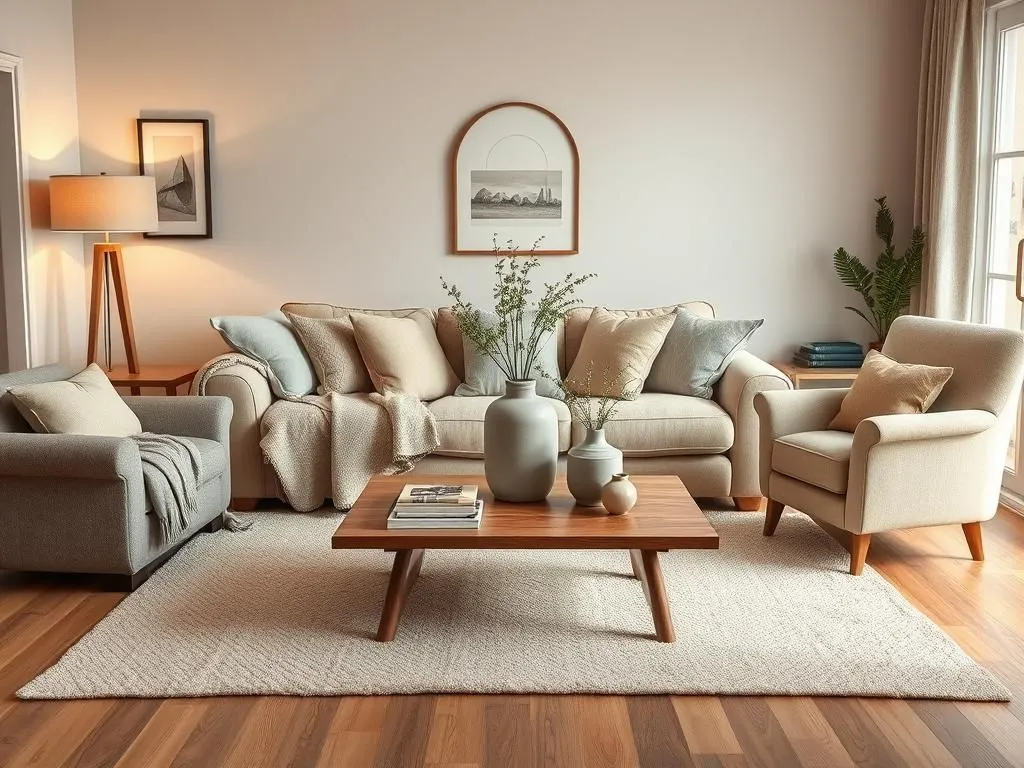
Creating a comfortable and aesthetically pleasing living space is a cornerstone of making a house feel like a true home. Thoughtful furnishing and design contribute significantly to the overall warmth and inviting atmosphere of an interior. Investing in these elements enhances daily life and reflects personal style.
The Broader ASEAN Opportunity: Home Improvement Beyond Malaysian Borders
While Malaysia certainly stands out as a vibrant hub, the narrative of explosive growth in home improvement extends far beyond its borders, encompassing the entire ASEAN region. This economic bloc, characterized by rapid urbanization and a burgeoning consumer base, offers a broader market opportunity for home improvement companies. The interconnectedness of these economies and the shared cultural emphasis on family and home make it a particularly ripe area for expansion.
The demand for renovation and construction services isn't confined to a single country; it's a regional phenomenon. Websites like HOMA2U, which focuses on "Home Improvement. Construction and Renovation" exemplify the regional need for platforms connecting consumers with services. This indicates a widespread and substantial requirement for skilled tradespeople, quality materials, and innovative solutions across the whole of Southeast Asia. As cities expand and populations grow, so does the need for new homes, and with them, the desire for personalized spaces and regular maintenance or upgrades.
The growth is well-documented, with reports like the "ASEAN Home Improvement Market (Indonesia, Singapore...)" from Yahoo Finance highlighting the impressive expansion across various member states. This isn't just about constructing new buildings; it's also about breathing new life into existing structures, adapting them to modern lifestyles, and making them more resilient to environmental challenges. From eco-friendly upgrades in Singapore to resilient building materials in Indonesia, the region’s diverse needs drive a dynamic market.
What's fascinating is the regional variation within this broader trend. Each country in ASEAN might have its unique architectural styles, local materials, and specific climatic considerations, but the core desire to improve one's home remains universal. This diversity also creates opportunities for companies to specialize or to adapt their product lines to suit local tastes and requirements. For instance, a type of roofing popular in the Philippines might be different from what's sought after in Vietnam, yet both contribute to the overall robust home improvement market.
The continuous infrastructural development across ASEAN, supported by governmental initiatives and private investment, further strengthens the home improvement sector. New roads, smart cities, and enhanced public services all contribute to an environment where people feel confident investing in their homes. This creates a powerful synergy, where regional economic growth directly translates into increased consumer spending on home-related goods and services. The future of home improvement in ASEAN looks incredibly bright, poised for continued innovation and expansion as these economies mature and prosper.
Innovations and Future Horizons in Home Improvement
The home improvement sector isn't static; it's constantly evolving, driven by new technologies, changing consumer preferences, and a growing awareness of sustainability. We’re standing at the cusp of an era where smart homes, eco-friendly materials, and DIY digitalization are becoming mainstream.
One major area of innovation is in smart home technology. Imagine lighting that adjusts to your mood, thermostats that learn your schedule, or security systems you can monitor from your phone. These advancements are making homes more convenient, energy-efficient, and secure. Consumers are increasingly integrating these technologies, leading to a surge in demand for smart devices and professional installation services. This trend is not limited to high-end properties; many affordable smart gadgets are making their way into everyday homes across Southeast Asia. You can explore more about smart home tech in Malaysia here.
Sustainability is another powerful force shaping the future. Homeowners are becoming more conscious of their environmental footprint and are seeking out greener alternatives. This includes everything from energy-efficient appliances and solar panels to recycled building materials and water-saving fixtures. Brands that can offer sustainable solutions are gaining a significant advantage, appealing to a generation that values ecological responsibility alongside comfort and style. This shift is not just ethical; it often leads to long-term cost savings through reduced utility bills, making it a win-win for consumers.
The digitalization of DIY is also transforming how people approach home improvement. Online tutorials, augmented reality apps that let you visualize furniture in your room, and e-commerce platforms offering a vast selection of products are empowering homeowners like never before. This accessibility removes much of the intimidation factor, encouraging more people to undertake projects themselves, even complex ones. The ease of ordering materials online and having them delivered directly to your door has significantly streamlined the process, making home improvement a less daunting task.
Furthermore, there’s a growing emphasis on multi-functional spaces. As living spaces in urban areas sometimes become smaller, the demand for furniture and design solutions that maximize utility and flexibility is rising. Think convertible sofas, hidden storage, and modular units that can adapt to different needs throughout the day. This trend reflects a pragmatic approach to modern living, where every square foot counts, and design must serve both aesthetic and practical purposes.
Finally, the professional services sector within home improvement is also innovating. Contractors and renovation companies are adopting new project management tools, offering transparent pricing, and emphasizing customer service to stand out in a competitive market. The integration of design software allows clients to see realistic renderings of their proposed renovations before work even begins, fostering trust and clarity. This blend of traditional craftsmanship with modern efficiency ensures that complex projects are executed smoothly and to a high standard.
These innovations collectively paint a picture of a home improvement market that is not just growing in volume but also evolving in sophistication and responsiveness to consumer needs. It’s a dynamic space where creativity meets technology, continually redefining what it means to live in a modern, comfortable, and personalized home.
The Enduring Appeal of the DIY Spirit
The term "DIY" – Do It Yourself – encapsulates a significant part of the home improvement phenomenon. It speaks to a sense of empowerment, creativity, and resourcefulness that resonates deeply with many homeowners. The appeal of undertaking a home project, whether big or small, goes beyond just saving money; it’s about the satisfaction of creation, the pride of accomplishment, and the joy of leaving a personal mark on one's living space.
For many, a DIY project is a form of therapeutic activity, a break from the routines of daily life. It offers an opportunity to engage in hands-on work, to learn new skills, and to see tangible results of one's efforts. The process of planning, researching, gathering materials, and finally executing a project can be incredibly rewarding. From assembling a new piece of furniture to painting a room in a fresh color, each step contributes to a deeper connection with one's home.
The accessibility of information and tools has further fueled the DIY spirit. The internet is a treasure trove of tutorials, how-to guides, and inspirational content that breaks down complex tasks into manageable steps. This empowers even novice homeowners to attempt projects they might have once thought were beyond their capabilities. Retailers like Mr. D.I.Y., with their wide range of affordable tools and materials, also play a crucial role in making DIY projects more accessible to the general public. They provide the necessary resources, transforming aspirations into realities.
Moreover, the DIY movement fosters a sense of community. Online forums, social media groups, and local workshops provide platforms for homeowners to share their experiences, seek advice, and celebrate their successes. This collective spirit encourages continuous learning and provides support for those embarking on their home improvement journeys. It creates a culture where sharing knowledge and helping fellow DIY enthusiasts is valued.
The rise of the DIY spirit is also intrinsically linked to the desire for personalization. When you do it yourself, you have complete control over the outcome. You can choose the exact shade of paint, the specific type of tile, or the unique arrangement of a garden bed. This level of customization ensures that the end result truly reflects your individual taste and style, making your home uniquely yours. It’s an expression of identity, an extension of self into the physical environment.
Ultimately, the enduring appeal of the DIY spirit in home improvement is about more than just saving costs. It’s about the journey of transformation, the joy of creation, and the profound satisfaction of crafting a home that truly embodies who you are. This powerful blend of practicality and passion ensures that the DIY culture will continue to thrive, inspiring countless homeowners to pick up a brush, a hammer, or a gardening tool and embark on their next exciting home project. For a broader perspective, you might want to explore the real estate investment climate that makes these improvements worthwhile¹¹.
Conclusion: The Bright Future of Home Improvement in Southeast Asia
The world of Home Improvement in Southeast Asia is a fascinating and dynamic landscape, driven by robust economic growth, a burgeoning middle class, and the universal human desire to create beautiful, comfortable, and personalized living spaces. From the ambitious IPOs signaling strong financial confidence to the pervasive influence of retail giants like Mr. D.I.Y. with their accessible low-cost models, the market is undeniably thriving.
We've explored how a diverse range of products, from essential construction materials to specialized gardening tools and innovative product brands like Selleys, cater to every homeowner's need. The strategic partnerships, such as the integration between Nippon Paint and Selleys, highlight a sophisticated market where collaboration drives innovation and expands reach. The broader ASEAN region presents an even larger canvas for growth, with a substantial demand for renovation and construction services echoed across nations. Consider exploring Malaysian home improvement market growth as part of understanding this bright future.
The underlying force, however, remains the homeowner – individuals keen to express their personality and enhance their quality of life through their homes. This powerful trend, supported by an ever-evolving market, promises a future filled with even more exciting possibilities. As economies continue to grow and people invest further in their most cherished spaces, the journey of home improvement in Southeast Asia is only just beginning. It's a continuous story of transformation, innovation, and the endless pursuit of the perfect home. Moreover, understanding the investment and mergers landscape can help in navigating this sector better. Creating a comfortable and aesthetically pleasing living space is a cornerstone of making a house feel like a true home. Thoughtful furnishing and design contribute significantly to the overall warmth and inviting atmosphere of an interior. Investing in these elements enhances daily life and reflects personal style.
Frequently Asked Questions
Question: Why is home improvement booming in Southeast Asia?
Answer: The boom is driven by a growing middle class, rapid urbanization, increased disposable income, and a strong cultural emphasis on home personalization and investment.
Question: What role do companies like Mr. D.I.Y. play in this market?
Answer: Companies like Mr. D.I.Y. play a crucial role by offering accessible, low-cost, high-volume products, making home improvement affordable and achievable for a wider segment of the population.
Question: What future trends are shaping the home improvement sector?
Answer: Key future trends include the integration of smart home technology, a growing focus on sustainability and eco-friendly materials, the digitalization of DIY projects, and the demand for multi-functional living spaces.
Disclaimer: The information is provided for general information only. BridgeProperties makes no representations or warranties in relation to the information, including but not limited to any representation or warranty as to the fitness for any particular purpose of the information to the fullest extent permitted by law. While every effort has been made to ensure that the information provided in this article is accurate, reliable, and complete as of the time of writing, the information provided in this article should not be relied upon to make any financial, investment, real estate or legal decisions. Additionally, the information should not substitute advice from a trained professional who can take into account your personal facts and circumstances, and we accept no liability if you use the information to form decisions.
