
.webp)
Unlocking Malaysia's Legal Maze: Your Guide to Essential Requirements
Key Takeaways
- Diverse Legal Landscape: Malaysia's legal framework covers a wide array of areas, from ensuring smooth international travel and valid marriages to safeguarding digital privacy.
- Data Protection Evolution: The nation is actively enhancing its data protection laws, introducing new rules for businesses and clear guidelines for cross-border data transfers to protect personal information.
- Foundational Rights: Legal identity and access to education are fundamental, showcasing how legal requirements profoundly impact social well-being and individual opportunities.
Ever wondered how a country keeps everything running smoothly, from welcoming international visitors to protecting your private information online? It all comes down to something super important: Legal Requirements. In Malaysia, these rules and laws form a fascinating web, guiding daily life, business, and even future breakthroughs in science.
Imagine a giant rulebook that helps everyone know what to do, what’s allowed, and what’s not. That’s what legal requirements are! They touch almost every part of our lives, sometimes without us even realizing it. From the moment you plan an exciting trip to a foreign land to the way your favorite online shop keeps your details safe, there’s a legal requirement behind it. This week, we’re diving deep into Malaysia’s diverse and ever-evolving legal landscape, exploring the crucial rules that shape this vibrant nation.
Malaysia is a country that’s always growing and changing, and its laws are too! Whether you're thinking about visiting, planning a big life event, starting a business, or just curious about how your digital privacy is protected, understanding these legal requirements is key. It's like having a map to navigate a wonderful, bustling city. Let’s embark on an exciting journey to uncover the important legal rules that keep Malaysia moving forward.
Journeying to Malaysia: What International Travelers Need to Know
Picture this: You’re planning an amazing adventure to Malaysia! The sandy beaches, delicious food, and friendly faces are calling your name. But before you pack your bags, there are some very important legal requirements for international travelers that you absolutely need to check. Just like you wouldn't go on a road trip without checking your car's tires, you shouldn't travel internationally without understanding the rules for entering a new country.
One of the first things international travelers need to do is consult official sources for travel information. The U.S. government, for example, provides a comprehensive guide for those planning to visit Malaysia. This guide covers essential information like passport and visa requirements, health precautions, local laws and customs, and even safety tips. It's not just about getting into the country; it’s about making sure your entire trip is safe, enjoyable, and free from any unexpected legal surprises. For instance, you’d want to know if you need a special document called a visa to enter, or how long you’re allowed to stay. These details are part of the fundamental legal requirements for entry and stay1.
Every country has its own set of rules for visitors, and Malaysia is no different. Ignoring these rules can lead to big problems, like being denied entry or facing legal issues during your stay. So, always make sure to check the latest advice and official requirements well before your travel date. This careful planning ensures that your Malaysian adventure starts off on the right foot, making memories instead of facing complications. Understanding these travel legal requirements is the first step to a worry-free international experience.
Tying the Knot in Malaysia: Legalities of Marriage
Love is a beautiful thing, and for many, it leads to marriage! If you or someone you know is considering getting married in Malaysia, it’s important to understand that this joyous occasion also comes with its own set of legal requirements. Marriage isn't just a celebration; it's a legally binding agreement, and Malaysia, like all countries, has specific rules to ensure it's done correctly and recognized by law.
For example, if an American citizen wishes to marry in Malaysia, they need to follow certain steps and gather specific documents. These often include things like proof of identity, evidence that they are free to marry (meaning they are not already married to someone else), and sometimes even a declaration from their embassy. The U.S. Embassy in Malaysia offers clear guidance on these procedures, helping couples navigate what can sometimes feel like a complicated process. They explain the paperwork needed, the offices to visit, and the waiting periods that might apply. These aren't just suggestions; they are crucial legal requirements that must be met for a marriage to be considered valid2.
Imagine trying to bake a cake without knowing the recipe – it might not turn out right! Similarly, understanding the legal recipe for marriage ensures that your union is officially recognized and protects both partners under Malaysian law. Different religions and nationalities might have slightly different pathways, but the underlying principle remains: specific steps and documents are needed. It’s all about making sure that such an important life event is handled with the proper legal care. So, for anyone dreaming of a Malaysian wedding, getting familiar with these legal requirements early on is a smart move.
Safeguarding Your Digital World: Data Protection Laws in Malaysia
In today’s world, our lives are increasingly digital. We shop online, chat with friends, and use countless apps. All of this involves sharing personal information – from your name and address to what you like to buy. This is where a very important set of legal requirements comes into play: data protection laws. These laws are like a shield, protecting your personal data from being misused or shared without your permission.
Malaysia has been very active in strengthening its data protection laws, following a global trend where countries are recognizing the huge importance of privacy in the digital age. Think of it like a global agreement that everyone deserves to have their personal information treated with respect and care. These laws define what "personal data" is, how companies and organizations are allowed to collect it, store it, use it, and share it. It’s a complex area, but the goal is simple: to empower individuals to have more control over their own data3.
For businesses operating in Malaysia, these legal requirements are incredibly important. They can't just collect any information they want; they need to have a good reason, be transparent about it, and keep it safe. If businesses don't follow these rules, they can face serious penalties. This means that when you give your information to a Malaysian company, there are laws in place to make sure they handle it responsibly. These changes reflect a commitment to stronger privacy safeguards for everyone.
New Rules for Businesses: A Deeper Dive into Data Privacy
The world of data protection isn't standing still; it's always moving! Malaysia has introduced even newer legal requirements under its general code of practice for personal data protection. These aren't just minor tweaks; they represent significant updates that organizations must follow very closely. For businesses, this means rethinking how they manage customer data, employee data, and any other personal information they handle.
These new rules are crucial because they set clearer boundaries and expectations. They might involve stricter consent requirements – meaning companies need to ask for your permission in a very clear way before using your data. They could also involve stronger security measures to prevent data breaches, where personal information gets into the wrong hands. Imagine a bank needing to build an even stronger vault to keep your money safe; these new requirements are like that for your digital information4.
Understanding these updated legal requirements is not just good practice for businesses; it's absolutely necessary. It ensures that consumer trust is maintained and that Malaysia remains a compliant and responsible player in the global digital economy. For you, as an individual, it means that the companies you interact with are held to a higher standard when it comes to your privacy. These proactive measures highlight Malaysia's dedication to keeping up with the best practices in data protection.
The Power of Your Digital Signature: Electronic Signature Laws
Think about signing an important document with a pen. It’s a way to show you agree to something. But what about in our digital world? Can you "sign" something on your computer or phone? Yes, you can, thanks to electronic signatures, and Malaysia has legal requirements that make these digital markings just as valid as a pen-and-paper signature!
Electronic signature laws are incredibly important for making online transactions and agreements safe and trustworthy. Imagine buying a house, signing a contract for a new job, or even just agreeing to terms and conditions online. Being able to do this with an electronic signature makes things much faster and easier. Malaysia's legal framework clearly explains when and how an electronic signature can be used and what makes it legally binding. This means that if you sign a document electronically, you are just as committed to it as if you had used ink5.
These laws help speed up business and make life more convenient for everyone. They remove the need for printing, signing, scanning, and emailing documents, saving time and paper. But crucially, they also ensure that these digital agreements are secure and that people can trust them. Understanding these specific legal requirements ensures that our digital dealings are not only efficient but also fully protected by law. It’s another example of how modern laws are adapting to our fast-paced, digital lives.
Beyond Data: Legal Identity and Access to Education
While data privacy is super important, there are other fundamental legal requirements that shape a fair and functional society. One of these is the idea of "legal identity." This means being officially recognized by the government, usually with documents like a birth certificate or an identity card. Imagine trying to go to school, see a doctor, or even open a bank account without proving who you are!
Unfortunately, not everyone in the world has a clear legal identity. Some people are "undocumented," meaning they lack the official papers to prove their existence or nationality. This can create huge challenges, especially when it comes to basic rights like access to education. If children aren't officially recognized, they might struggle to enroll in schools, which then affects their chances for a brighter future.
Research has shown just how vital legal identity is for social well-being and education access. Without it, individuals can become invisible to the system, making it hard for them to enjoy the rights and opportunities that others have. Malaysia, like many countries, grapples with these issues, and understanding the problem is the first step toward finding solutions. These discussions highlight how deeply connected legal requirements are to fairness, human rights, and the overall health of a society. It's not just about laws on paper; it's about how those laws impact real people's lives and their ability to thrive6.
Path to Justice: How Lawyers Learn the Law
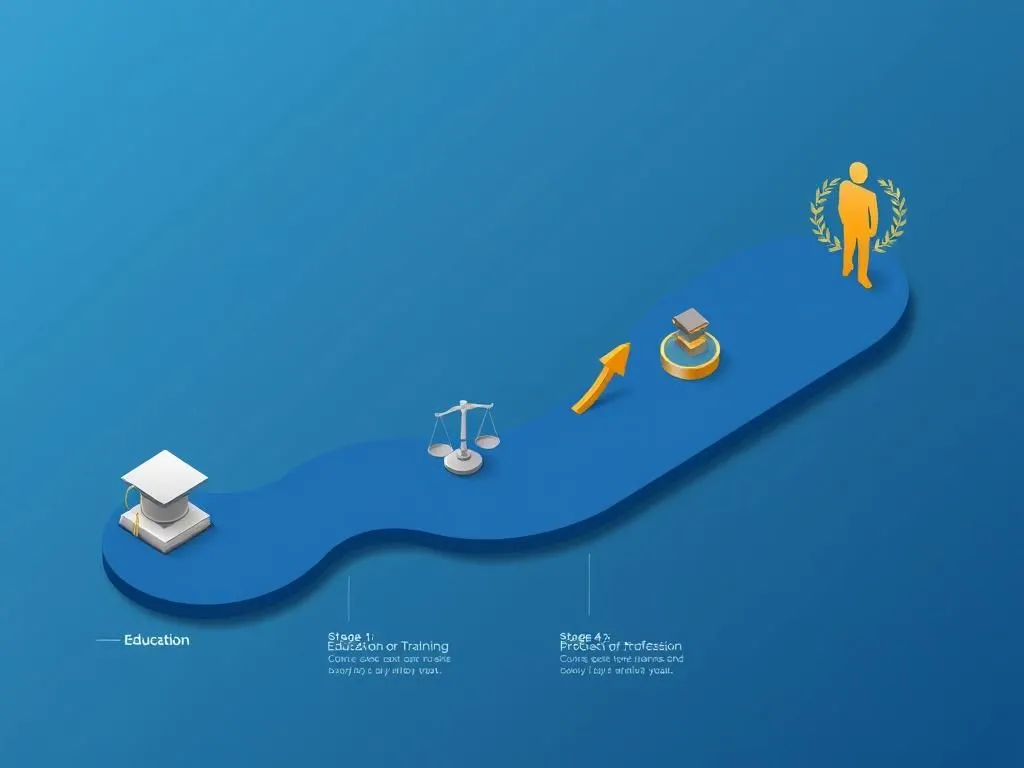
The journey to becoming a legal expert involves significant academic and practical training. Aspiring lawyers typically pursue a law degree, followed by structured practical experience. This rigorous pathway ensures legal professionals are well-prepared to interpret and apply a country's laws.
Becoming an expert in all these legal requirements takes a lot of hard work and study! Just like doctors go to medical school, lawyers go to law school. The content above illustrates a typical pathway for someone in Malaysia who wants to study law. It often involves getting a law degree, then completing practical training, and finally passing exams to become a qualified lawyer. This structured journey ensures that those who advise others on legal requirements are truly knowledgeable and prepared. It's a challenging but rewarding path that creates the legal minds who help navigate and shape the country's laws.
Moving Data Across Borders: Cross-Border Data Transfer Guidelines
In our connected world, data doesn't just stay in one country. When you use an international app, for example, your data might travel from Malaysia to a server in another country. This is called "cross-border data transfer," and it comes with its own set of crucial legal requirements to ensure your data stays safe no matter where it goes.
Malaysia has created "groundbreaking" guidelines for these cross-border data transfers. These guidelines are super important because they explain how organizations must ensure that personal data is protected even when it leaves Malaysia. Imagine sending a precious package to a friend in another country; you’d want to make sure it’s handled with care every step of the way. These guidelines do the same for your digital information. They set standards for security, privacy, and accountability, making sure that your data receives the same level of protection abroad as it does at home7.
These guidelines are not just suggestions; they are part of the detailed legal requirements designed to protect individuals' privacy in an interconnected world. They give businesses clear instructions on how to transfer data responsibly, whether it's for cloud services, international business operations, or simply supporting global customer service. This ensures that even as data flies across the digital globe, your rights as an individual are upheld, and your information is handled with the utmost care. It’s a complex but necessary area of law, showing how Malaysia is leading the way in digital governance.
Evolving Rules for Data Transfer: Updates and Practical Guidance
The world of data protection is always changing, and Malaysia's laws are no exception. There have been significant updates, moving "from legislative reform to practical guidance," especially concerning the Personal Data Protection Act (PDPA) and the launch of the new Cross Border Data Transfer Guidelines. These changes mean that businesses need to stay on their toes and constantly update their practices to comply with the latest legal requirements.
These amendments and guidelines provide much-needed clarity for businesses. They offer practical advice on how to actually implement the data protection rules in their day-to-day operations. It’s one thing to have a law, and another to understand exactly how to follow it. These updates help bridge that gap, making it easier for organizations to protect personal data effectively. They cover everything from getting proper consent for data processing to making sure that any data transferred internationally is secure8.
The continuous evolution of these legal requirements shows Malaysia's commitment to robust data privacy. It means that the legal framework is adapting to new technologies and new ways of doing business, ensuring that individuals' rights are always at the forefront. For anyone who uses digital services or manages personal data, these evolving guidelines are essential to understand, as they shape the digital landscape for both consumers and businesses alike.
Understanding Why Data is Processed: Legal Bases for Personal Data
Have you ever wondered why a company asks for your personal data? Is it just because they want it, or is there a proper reason? In Malaysia, just like in many places around the world, there are specific "legal bases" that allow organizations to process your personal data. This means they need a good, legal reason to collect, store, or use your information. This is a crucial part of the legal requirements for data protection.
These legal bases are like a checklist that organizations must go through before touching your data. For example, one common legal base is when you give your "consent" – meaning you explicitly say "yes" to them using your data for a specific purpose. Another could be when it's necessary for a "contract" you have with them, like giving your address so an online store can deliver your order. Or sometimes, it might be necessary to comply with another "legal obligation," like a bank needing your identification details to follow anti-money laundering laws.
Understanding these legal bases is super important because it empowers you to ask questions. If a company is asking for your data, you have the right to know why and what legal basis they have for doing so. This part of Malaysia's data protection framework provides a detailed guide on these different reasons, ensuring that data processing isn't just random but is always justified and lawful. It solidifies the idea that your personal data is your data, and organizations must respect that with clear legal requirements. You can learn more about how to navigate property taxation, which also involves legal considerations, here910.
Looking to the Future: Advancements in Medicine and Legal Implications
Our journey through Malaysia’s legal requirements wouldn't be complete without a glimpse into the future, especially in exciting fields like medicine. It might seem like a jump from data protection to healthcare, but as science advances, so do the legal questions and frameworks that need to support it. One such groundbreaking area is "precision medicine" with gene and cell therapy.
Imagine a future where doctors can create medicines perfectly tailored to your unique body, based on your genes. That’s what precision medicine aims to do! Gene and cell therapy are at the forefront of this revolution, offering incredible potential to treat diseases that were once thought incurable. As these advanced treatments become more common in places like Malaysia, new legal requirements will naturally emerge. These laws will need to address ethical questions, safety standards, patient rights, and how these innovative therapies are regulated11.
For example, who owns the data from your genetic information? How do we ensure these cutting-edge treatments are fair and accessible to everyone? These are the kinds of complex questions that legal minds and policymakers will need to address as medicine leaps forward. The legal framework must evolve to support scientific progress while protecting individuals. This connection shows how legal requirements are not just about what has happened, but also about shaping a responsible and ethical future for all, even in the most advanced fields of science. It’s an exciting time where law and science work hand-in-hand to build a better tomorrow.
The Tapestry of Malaysian Law: A Continuous Journey
As we've journeyed through the diverse landscape of Malaysia's legal requirements, it's clear that the law is not a rigid, unchanging book. Instead, it's a living, breathing tapestry that constantly adapts to the needs of its people, the challenges of a globalized world, and the incredible pace of human innovation. From guiding international travelers and ensuring valid marriages to safeguarding our digital privacy and even looking ahead to the future of medicine, legal requirements are the invisible threads that hold society together.
Understanding these requirements isn't just for lawyers or officials; it's for everyone. It empowers us to make informed decisions, protect our rights, and contribute positively to our communities. Malaysia's commitment to strengthening data protection, streamlining digital processes like electronic signatures, and addressing fundamental issues like legal identity and education access, shows a nation dedicated to progress and fairness.
The world is always changing, and so are the laws that govern it. As new technologies emerge and society evolves, the need for clear, fair, and comprehensive legal requirements will only grow. Malaysia stands as a great example of how a country can continuously review and adapt its legal framework to meet these ongoing demands, ensuring a safe, just, and prosperous environment for its citizens and visitors alike. So, the next time you browse online, plan a trip, or sign a document, remember the intricate and vital world of legal requirements working quietly in the background, keeping everything in order. It’s a truly fascinating field that touches every aspect of our modern lives. You can further explore legal and tax considerations in global property wealth management here: https://bridgeproperties.com.my/guides/1757628255040-legal--tax
Frequently Asked Questions
Question: What are the primary legal requirements for international travelers visiting Malaysia?
Answer: International travelers typically need a valid passport, and depending on their nationality, may require a visa. It's essential to check official government sources for the latest entry requirements, health precautions, and local laws and customs before traveling.
Question: How do Malaysia's data protection laws affect individuals and businesses?
Answer: Malaysia's data protection laws, like the Personal Data Protection Act (PDPA), aim to protect individuals' personal data by setting rules for how organizations collect, store, use, and share this information. For individuals, this means greater control over their data, and for businesses, it mandates transparency, security, and accountability in data handling, with penalties for non-compliance.
Question: Are electronic signatures legally recognized in Malaysia?
Answer: Yes, Malaysia has specific legal frameworks in place that make electronic signatures as legally binding as traditional pen-and-paper signatures. These laws facilitate secure and trustworthy online transactions and agreements, promoting efficiency and convenience in digital dealings while ensuring legal protection.
Disclaimer: The information is provided for general information only. BridgeProperties makes no representations or warranties in relation to the information, including but not limited to any representation or warranty as to the fitness for any particular purpose of the information to the fullest extent permitted by law. While every effort has been made to ensure that the information provided in this article is accurate, reliable, and complete as of the time of writing, the information provided in this article should not be relied upon to make any financial, investment, real estate or legal decisions. Additionally, the information should not substitute advice from a trained professional who can take into account your personal facts and circumstances, and we accept no liability if you use the information to form decisions.
