.webp)
Unveiling the Enigma: A Deep Dive into Malaysia's Dynamic Landscape
Key Takeaways
- Cultural Crossroads: Malaysia is a vibrant Southeast Asian nation known for its diverse history, culture, and governance, continually evolving.
- Strategic Location: Its geographical position makes Malaysia a crucial hub for global trade and commerce.
- Economic Stability: The nation's economy is strengthened by strategic international trade agreements and managed by the central Bank Negara Malaysia.
- Global Partnerships: Malaysia maintains significant diplomatic ties, including a robust partnership with the United States on trade and critical mineral supply chains.
- Societal Well-being: The country actively works towards upholding human rights and ensuring health and safety for both citizens and travelers.
Exploring Malaysia: A Nation at the Crossroads of Culture, Commerce, and Global Strategy
Have you ever wondered about the vibrant nations that make our world so rich and diverse? This week, we're taking an exciting journey to explore Malaysia, a captivating Southeast Asian nation that truly stands out. It's a land brimming with complex stories, a dynamic landscape of history, a unique way of governing, important friendships with other countries, and bustling economic activities. From its ancient roots to its modern advancements, Malaysia is a country that keeps evolving, always offering something new to discover.
To truly understand Malaysia, we need to look at its many layers. Imagine peeling back the leaves of an exotic fruit – each layer reveals more about its essence. We can start our journey by looking at general overviews, much like you might find on Wikipedia or Britannica, which offer a great introduction to this fascinating place1, 2. But we're going even deeper, drawing from official reports and documents to give you a comprehensive picture.
Malaysia’s spot on the world map is super important, especially for trading goods with other countries. Its special location helps it connect different parts of the world, making it a key player in global commerce. So, get ready as we uncover the secrets and marvels of this incredible nation, from its colorful traditions to its powerful presence on the international stage!
The Heart of Southeast Asia: Geography, Culture, and Identity
Malaysia isn't just a place on a map; it's a living, breathing nation with a soul shaped by its past, its people, and its unique culture. When you look at Malaysia, you're looking at a blend of many different worlds, all coming together to create something truly special.
A Rich Tapestry of History and Heritage
Imagine a story that stretches back hundreds of years, filled with brave explorers, powerful kingdoms, and the mixing of many different peoples. That's the history of Malaysia. This deep and vibrant past has laid the groundwork for everything Malaysia is today. It’s a story told through its old buildings, its traditional festivals, and the very way its people live their lives. Every part of its history has helped shape its present, making it a country with a strong sense of identity.
To really get to know Malaysia, we can explore key facts about it. For example, did you know that details about Malaysia’s history, its famous flag, its geographical map, its population, the languages spoken there, and the religions practiced are all fundamental parts of understanding its identity? You can find a lot of this foundational information that paints a picture of its diverse heritage on Britannica’s detailed entry for the country.
The Symbolism of the Malaysian Flag
Every country has a flag, and Malaysia's flag is a beautiful symbol of its spirit and strength. It's not just a piece of cloth with colors; it tells a story about what the country stands for. The Malaysian flag is truly iconic, featuring a crescent moon, a 14-point star, and bold stripes. Each of these elements holds a special meaning that reflects the heart of the nation.
The crescent and star are strong symbols often seen in Islamic cultures, which is an important part of Malaysia's identity. The 14 points on the star represent the 13 states of Malaysia plus the federal territories, showing how all these different parts come together to form one strong country. The stripes, alternating in red and white, also have their own significance, often representing bravery and purity. Together, these symbols on the flag proudly stand for the country's sovereignty – meaning it's an independent nation that governs itself – and its unity, showing how its people are connected and work together. This vibrant flag is a constant reminder of Malaysia’s strength and togetherness.
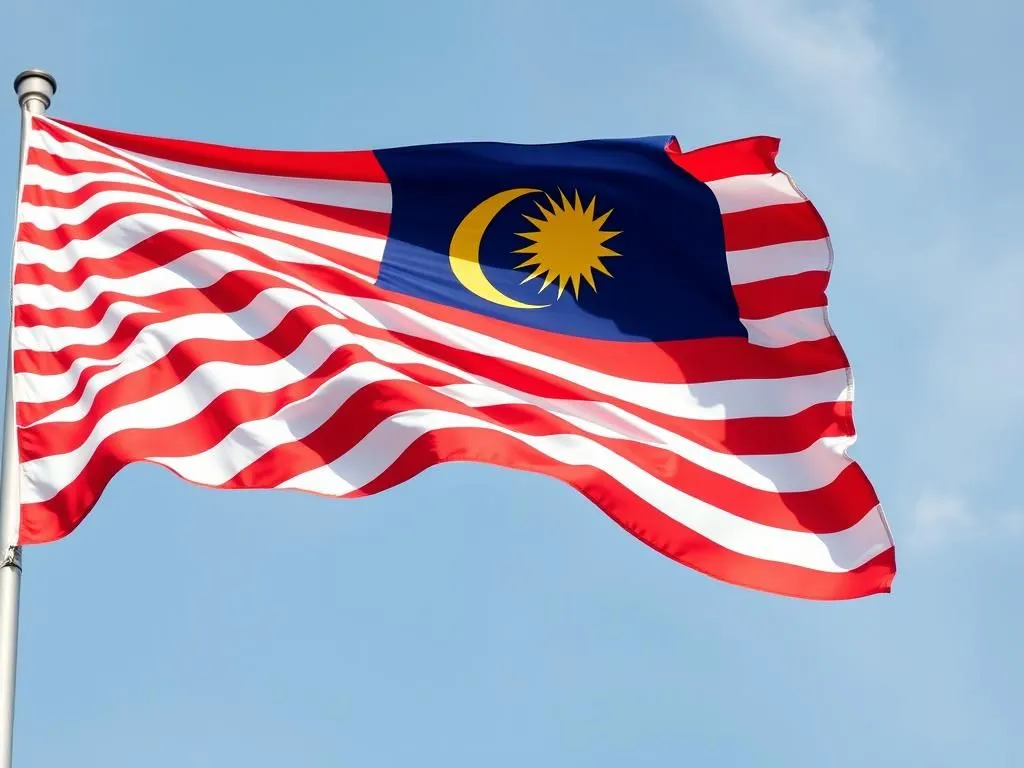
The Malaysian flag serves as a profound national emblem, embodying the country's strength and collective spirit. Its design, incorporating a crescent moon, a 14-point star, and distinct stripes, carries deep symbolic weight. These elements collectively reflect Malaysia's sovereignty, its unity, and the rich tapestry of its cultural identity.
People and Languages: A Diverse Nation
Imagine a classroom where children speak many different languages and celebrate different holidays, yet all learn and play together. That’s a bit like Malaysia! The country is known for its diverse population, where people from various ethnic backgrounds live side by side. This mix of cultures has led to a fascinating blend of traditions, foods, and ways of life.
The languages spoken across Malaysia are as varied as its people. While Bahasa Malaysia is the official language, you'll hear many others, including English, Mandarin, and Tamil, reflecting the different communities that call Malaysia home. This linguistic diversity doesn't just mean many languages are spoken; it also means there's a constant sharing of ideas and traditions. Similarly, religious diversity is a key feature of Malaysia. While Islam is the official religion, many other faiths, such as Buddhism, Christianity, and Hinduism, are practiced freely. This religious freedom and variety are woven into the fabric of Malaysian society, contributing to its unique cultural landscape and ensuring a rich, multi-faceted national identity. All these fascinating details about Malaysia's population, languages, and religions are highlighted in the comprehensive Britannica article.
Driving Economic Power: Trade and Financial Policies
Beyond its rich culture, Malaysia is also a significant player in the global economy. It's like a busy marketplace where goods and ideas are constantly exchanged, contributing to its growth and stability. This economic strength is built on smart trade relations and careful financial management.
Malaysia's Role in Global Trade Networks
Imagine a busy port where ships from all over the world come and go, bringing goods to trade. That’s a good way to picture Malaysia’s importance in global trade! Because of where it sits on the map, right in the middle of important shipping routes in Southeast Asia, Malaysia has always been a natural hub for trade. This geographical advantage means it connects many different countries, making it a crucial stop for international commerce.
Malaysia doesn't just trade randomly; it has smart agreements with other countries and groups of countries. One example is its relationship with the European Free Trade Association (EFTA). EFTA is a group of countries (Iceland, Liechtenstein, Norway, and Switzerland) that work together to make trade easier and fairer among themselves and with other nations. Malaysia’s trade relations with EFTA are important because they open up new markets for Malaysian products and services, allowing it to export more and bring in goods it needs. These kinds of agreements are vital for Malaysia’s economic growth, helping it to build strong partnerships with countries far away and boosting its overall prosperity3. By making trade smoother and more predictable, Malaysia strengthens its economy and its place in the world.
Steering the Economy: The Bank Negara Malaysia
Just as a captain steers a ship through calm and stormy waters, a country's central bank guides its economy. In Malaysia, this crucial role is played by the Bank Negara Malaysia. Think of it as the guardian of the nation's money and financial system. Its job is to make sure that the economy stays stable and grows steadily, much like making sure a car runs smoothly on a long journey.
The Bank Negara Malaysia makes really important decisions about the country’s money. For example, it sets interest rates, which can influence how much people save or borrow. It also manages the nation's currency, the Ringgit, ensuring its value remains strong. These economic policies are like rules for the money system, and they are essential for keeping prices stable, creating jobs, and encouraging businesses to invest. Without a strong central bank like Bank Negara Malaysia, a country's economy could become unpredictable. Their careful management helps ensure financial stability and promotes long-term growth, impacting everything from the cost of your groceries to the strength of Malaysian businesses on the world stage. You can learn more about their work and policies directly from their official website4.
Bridging Continents: Malaysia's International Diplomacy
Malaysia isn't just focused on its own borders; it's a nation that actively engages with the world, forming important friendships and partnerships with other countries. These connections are vital for its growth, security, and influence on the global stage.
The Enduring Partnership: United States and Malaysia
One of Malaysia's significant international relationships is with the United States. This partnership is an area of considerable focus, with both nations working together on various important matters. It's like two friends who have a long history and continue to find new ways to help each other.
A clear sign of this strong bond is the Joint Statement on United States-Malaysia Agreement on Reciprocal Trade. This agreement is a big deal because it means that both countries are committed to trading fairly with each other. "Reciprocal trade" essentially means that the benefits and responsibilities of trade are shared by both sides. For example, if Malaysia makes it easier for US companies to sell their products there, the US will do the same for Malaysian companies. This fair exchange helps both economies grow, gives consumers more choices, and strengthens the economic ties between the two nations5, 6. These agreements show a commitment to working together for mutual benefit, highlighting the depth of their relationship.
Securing the Future: Critical Mineral Supply Chains
Beyond general trade, the partnership between the United States and Malaysia extends to very specific and strategically important areas. One such area is cooperation on critical mineral supply chains. Imagine all the amazing technology we use every day – our phones, computers, electric cars, and even renewable energy systems. Many of these rely on special materials called "critical minerals." These minerals are like the hidden ingredients that make modern life possible, but they can be hard to find and process.
Recognizing their importance, the United States and Malaysia signed a Memorandum of Understanding (MOU) to work together to diversify global critical mineral supply chains. What does "diversify" mean here? It means making sure that these crucial minerals don't just come from one or two places in the world. If too many essential minerals come from a single source, it can be risky if something goes wrong, like a natural disaster or a political issue. By cooperating, Malaysia and the US are helping to create more stable and secure ways to get these minerals, ensuring that industries around the world can continue to innovate and grow without interruption. This partnership is not just good for Malaysia and the US; it's a smart move for global stability and economic resilience, showing how countries can work together to secure resources essential for our technological future7.
Governance and Societal Well-being
A country's strength isn't just measured by its economy or its international friends; it's also about how it cares for its people and upholds important values like human rights. Malaysia, like any nation, faces its own set of challenges and triumphs in these areas.
Upholding Human Rights: A Look at Practices in Malaysia
Human rights are the basic rights and freedoms that belong to every person in the world, from birth until death. They are things like the right to live freely, to speak your mind, and to be treated fairly. Every country has a responsibility to protect these rights, and it's a topic that often draws international attention.
For Malaysia, insight into its human rights practices can be found in detailed reports like the 2024 Country Reports on Human Rights Practices: Malaysia8. These reports offer a window into how well a country is doing in upholding these fundamental rights. They might discuss freedom of speech, fair legal processes, or the treatment of different groups of people. For Malaysia, these reports help shed light on the ongoing efforts the nation is making to improve and protect human rights for all its citizens. It's a continuous journey for every country to ensure that justice and fairness prevail, and these reports help track progress and highlight areas where more work might be needed.
Health and Safety for Travelers and Citizens
When you travel to a new place, or even just live in your own country, health and safety are always top concerns. Malaysia is proactive in providing information and maintaining standards to keep people safe and healthy.
For those planning to visit Malaysia, it’s always wise to be prepared. The Centers for Disease Control and Prevention (CDC) offers valuable health-related details for travelers going to Malaysia. This information covers important tips on how to stay healthy, what vaccinations you might need, and common health concerns to be aware of while exploring the country9. Knowing these details helps ensure that visitors can enjoy their trip with peace of mind.
But it’s not just about travelers; food safety is also a big deal for everyone living in or visiting Malaysia. The United States Department of Agriculture (USDA) provides information related to Malaysia’s food safety standards through its Food Safety and Inspection Service. This means that when food products are moved between countries, like from Malaysia to the US, they need to meet certain health and safety requirements10. These standards are put in place to protect public health, making sure that the food we eat is safe and free from harmful things. By having clear food safety guidelines, Malaysia not only protects its own citizens but also ensures that its food products are trusted and welcomed in international markets, highlighting its commitment to well-being and quality.
Conclusion: Malaysia's Enduring Journey
As we conclude our deep dive, it's clear that Malaysia is much more than just a dot on the global map. It is a nation brimming with life, a vibrant tapestry woven from countless threads of history, culture, and progress. We've explored its dynamic landscape, from the rich heritage reflected in its flag and diverse population to the strategic importance of its geographical location in international trade.
Malaysia stands as a testament to how a country can blend deep-rooted traditions with forward-thinking economic policies, guided by institutions like Bank Negara Malaysia. Its commitment to building strong international bonds, particularly highlighted by its agreements with the United States on reciprocal trade and critical mineral supply chains, showcases its role as a responsible and strategic global partner. Even in areas like human rights and public health, Malaysia continues its journey, striving for improvements and ensuring the well-being of its people and visitors.
From the symbolic crescent on its flag to its crucial role in global supply chains, Malaysia is a nation of immense significance. It continues to evolve, adapting to new challenges and seizing new opportunities, always maintaining its unique identity at the crossroads of culture, commerce, and global strategy. As it moves forward, Malaysia will undoubtedly continue to captivate, inspire, and contribute significantly to the narrative of our interconnected world.
Frequently Asked Questions
Question: What are some key aspects of Malaysia's identity?
Answer: Malaysia's identity is shaped by its rich history, diverse population, a blend of various cultures and religions, and its iconic national flag.
Question: How does Malaysia contribute to the global economy?
Answer: Malaysia serves as a key player in global commerce due to its strategic geographical location and actively participates in international trade networks through various agreements, supported by the policies of Bank Negara Malaysia.
Question: What are the significant international partnerships Malaysia has?
Answer: Malaysia has strong international relationships, notably with the United States, collaborating on initiatives such as reciprocal trade agreements and efforts to diversify critical mineral supply chains.
Disclaimer: The information is provided for general information only. BridgeProperties makes no representations or warranties in relation to the information, including but not limited to any representation or warranty as to the fitness for any particular purpose of the information to the fullest extent permitted by law. While every effort has been made to ensure that the information provided in this article is accurate, reliable, and complete as of the time of writing, the information provided in this article should not be relied upon to make any financial, investment, real estate or legal decisions. Additionally, the information should not substitute advice from a trained professional who can take into account your personal facts and circumstances, and we accept no liability if you use the information to form decisions.
