
Unlocking the Potential: A Deep Dive into the World of Home Improvement Retail
Key Takeaways
- Dynamic Growth: The home improvement retail market is experiencing significant expansion globally, with a notable boom in the ASEAN region, driven by urbanization and increased disposable income.
- Diverse Retail Landscape: The sector features a mix of large-scale home improvement retailers, offering vast selections, and local hardware stores providing specialized products and personalized service.
- Mr. D.I.Y.'s Success: Malaysian powerhouse Mr. D.I.Y. demonstrates strong regional dominance, achieving awards, a successful IPO, and strategic expansion into markets like Singapore and Indonesia.
- Global Competition: International giants like The Home Depot and Lowe's shape the global market, driving innovation and setting benchmarks in product offerings and services.
- Customer-Centric Approach: Consumer perceptions and preferences, often shared on platforms like Reddit, are crucial for retailers to adapt their strategies and enhance the shopping experience.
- Key Growth Drivers: Urbanization, rising disposable income, evolving lifestyles, and a burgeoning DIY culture are consistently fueling the expansion of the home improvement market.
- Future Trends: The industry's future is characterized by digital transformation, e-commerce integration, a focus on sustainability, and continued growth in emerging markets.
Have you ever looked around your home and imagined how you could make it even better? Maybe a fresh coat of paint, a new shelf, or even a complete kitchen makeover? This exciting journey of turning a house into a dream home is powered by a massive and ever-growing industry: Home Improvement Retail. It’s a world buzzing with innovation, big players, and countless ways to help us create spaces we truly love.
From giant warehouses filled with every tool imaginable to cozy local hardware stores, home improvement retail is at the heart of our passion for making our living spaces more comfortable, functional, and beautiful. This market isn't just about selling things; it's about empowering people to bring their visions to life, whether they’re tackling a small DIY project or embarking on a major renovation. Across the globe, and particularly in vibrant regions like ASEAN, this sector is seeing incredible growth and transformation. Let’s embark on a curious and engaging exploration of this fascinating retail landscape, discovering its key players, its dynamic growth, and what makes it tick.
The Global Spark and the ASEAN Boom in Home Improvement
Imagine a world where everyone is eager to spruce up their surroundings. That's the world of home improvement! It's a huge market driven by people wanting to fix, upgrade, and beautify their homes. Think about all the things you might need: new tiles for the bathroom, a drill for hanging pictures, plants to make your balcony feel fresh, or even just a new set of curtains. All these needs contribute to a thriving industry.
This market is showing significant growth everywhere, but it's especially exciting in places like the ASEAN region. Countries in Southeast Asia, including Malaysia, are experiencing a notable expansion in their home improvement market size1. This means more people are buying homes, moving into new places, or simply deciding it’s time to invest in making their current homes even better. This surge isn’t just good news for homeowners; it’s creating a booming opportunity for retailers who specialize in everything from paint to power tools. The desire to improve living spaces is a powerful force, driving countless transactions and inspiring millions of projects every day. It's a reflection of personal pride and a commitment to creating comfortable, stylish environments. To further explore the Malaysian home improvement market, including the dominance of key players like MR D.I.Y., you can read more here2.
Navigating the Retail Maze: Big Stores vs. Local Hardware Shops
When you think about buying things for your home, what comes to mind? Do you picture a massive store with aisles stretching endlessly, or a smaller, friendly shop down the street that seems to have everything you need? In the world of home improvement retail, you’ll find a mix of both, and each has its own special appeal. The burgeoning sector is characterized by diverse retail options, ranging from large-scale home improvement retailers to hardware stores, each catering to different consumer needs and preferences3.
Large-scale home improvement retailers are like giants. They offer a vast selection of products under one roof, from lumber and plumbing supplies to appliances and garden furniture. These stores are often destinations in themselves, providing inspiration, expert advice, and sometimes even workshops for DIY enthusiasts. They cater to a wide range of customers, from professional contractors looking for bulk supplies to homeowners planning a full-scale renovation project. Their sheer size often means competitive pricing and a comprehensive shopping experience. You can find everything you need to build, remodel, or decorate, often with convenient services like cutting wood to size or mixing custom paint colours.
On the other hand, traditional hardware stores are often smaller, more focused, and deeply embedded in local communities. While they might not have the same dizzying array of choices, they often excel in specific areas, offering specialized tools, hard-to-find parts, and personalized service. These stores are great for quick fixes, small projects, or when you need specific advice from someone who really knows their stuff. They often have a loyal customer base who appreciates the convenience and the familiar faces. For many, the charm of a local hardware store lies in its ability to provide exactly what's needed without the overwhelming scale of a superstore.
Both types of retailers play crucial roles in the home improvement ecosystem. The choice often depends on the scale of your project, your budget, and whether you prioritize vast selection and low prices or personalized service and local convenience. This dynamic interplay ensures that customers always have options, making the home improvement journey accessible to everyone, regardless of their project size or shopping preference.
Mr. D.I.Y.: A Malaysian Success Story Expands Its Horizon
In the vibrant landscape of ASEAN home improvement retail, one name shines particularly bright: Mr. D.I.Y. This major Malaysian home improvement retailer has not only captured the hearts of local consumers but has also made significant waves across the region. Its journey is a testament to strong business strategy and a deep understanding of customer needs.
Mr. D.I.Y. has achieved impressive milestones, solidifying its position as a leading force. In 2023, the company was recognized with a prestigious company of the year award, a clear indication of its outstanding performance and contribution to the industry4. This award highlights their excellence in various aspects, from customer service to market innovation, demonstrating their commitment to being a top-tier retailer.
The success of Mr. D.I.Y. is also reflected in its financial journey. The company undertook a successful Initial Public Offering (IPO), allowing public investors to own a piece of this flourishing enterprise5. This move not only raised significant capital but also underscored its robust market standing and growth potential. Today, Mr. D.I.Y. proudly holds the title of Malaysia's largest home improvement store, a remarkable achievement that speaks volumes about its scale, reach, and popularity among Malaysian consumers6. For a detailed look into MR D.I.Y.'s market dominance and IPO success, see this article7.
The ambition of Mr. D.I.Y. extends beyond its home country. The company has strategically expanded its footprint to other key markets within the ASEAN region. Shoppers in Singapore and Indonesia can now also enjoy the convenience and variety offered by Mr. D.I.Y. stores8. This regional expansion signifies not only the company's growth strategy but also the immense potential and demand for quality home improvement products and services across Southeast Asia. By venturing into these new territories, Mr. D.I.Y. is bringing its unique retail experience to an even wider audience, further solidifying its reputation as a regional powerhouse in home improvement. The sight of a Mr. D.I.Y. store is becoming increasingly common, a welcoming sign for anyone looking to embark on a home project, big or small.
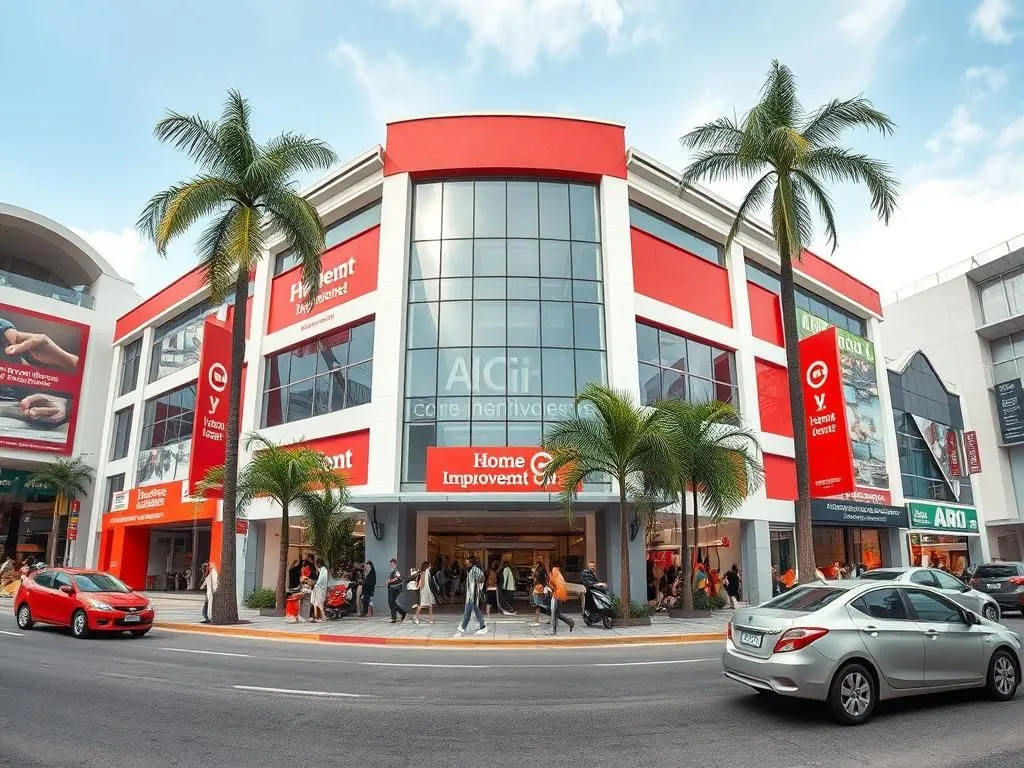
Home improvement retail is a significant and growing sector, particularly in regions like Southeast Asia, where major retailers establish a strong market presence. The success of large chains reflects consumer demand for a wide array of products and services to enhance their living spaces. These stores often serve as central hubs for various renovation and DIY projects.
Global Titans and the Competitive Landscape
While Mr. D.I.Y. dominates its regional market, the global home improvement sector is also home to some truly colossal players. These international giants set benchmarks and drive innovation, influencing trends and customer expectations worldwide. They offer a useful point of comparison to understand the broader dynamics of the industry.
One such titan is The Home Depot, a household name in many parts of the world, particularly in North America. With its iconic orange logo, The Home Depot is synonymous with a vast selection of building materials, tools, appliances, and home services9. It caters to both professional contractors and do-it-yourself enthusiasts, offering everything from lumber and paint to kitchen cabinets and outdoor living essentials. The scale of The Home Depot's operations and its comprehensive product offerings make it a formidable force in global retail, representing the pinnacle of large-scale home improvement retailing.
Another major player in the global arena is Lowe's. Like The Home Depot, Lowe's operates a chain of retail stores specializing in home improvement. It boasts a wide array of products and services, competing directly with other large retailers to capture the market share of homeowners and professionals alike10. The presence of such massive competitors highlights the intense competition and constant drive for excellence within the home improvement sector. These companies continuously innovate, offering new products, improving customer service, and streamlining their supply chains to stay ahead in a challenging market.
Beyond these dedicated home improvement giants, other retailers also offer significant purchasing options for home improvement needs. For instance, warehouse clubs like Costco provide an alternative shopping experience, where members can often find a selection of tools, outdoor equipment, and even some home furnishings at competitive prices11. While not solely focused on home improvement, these retailers nonetheless play a role in the market, diversifying consumer choices and adding another layer of competition. This broad spectrum of retailers, from specialized mega-stores to general merchandise clubs, ensures that consumers have a plethora of options when undertaking their home improvement projects, reflecting the diverse and evolving needs of homeowners globally.
The Customer's Voice: Perceptions and Preferences Shaping Retail
In any retail market, the customer's voice is king. Their experiences, opinions, and preferences directly shape the success and direction of businesses. This is especially true in home improvement, where personal projects and significant investments are often at stake. Understanding what makes customers happy—or unhappy—is vital for retailers like Mr. D.I.Y., The Home Depot, and Lowe's.
Platforms like Reddit offer fascinating insights into consumer perceptions. Discussions among online communities often reveal the unfiltered reality of shopping experiences. For instance, conversations around Malaysian home improvement chain Mr. D.I.Y. shed light on various aspects, from product quality and pricing to store layout and customer service12. These online forums serve as a valuable barometer, showing how a brand is truly perceived by its everyday shoppers. Positive feedback often highlights good value, wide product range, and convenient locations, which are crucial for attracting and retaining customers. Conversely, constructive criticism might point towards areas for improvement, such as stock availability, staff assistance, or product durability.
Customer feedback, whether through formal surveys or informal online discussions, helps retailers understand what works and what doesn't. Are customers finding the tools they need easily? Is the price fair? Is the product quality living up to expectations? Are the staff knowledgeable and helpful? These are all critical questions that directly impact a customer’s decision to return to a store or recommend it to others. Retailers who listen intently to these voices and adapt their strategies accordingly are the ones that will thrive. The ongoing dialogue between retailers and their customers is a continuous loop of improvement, driving better shopping experiences and more satisfying home improvement outcomes.
What Fuels the Home Improvement Boom?
The incredible growth in home improvement retail isn’t just happening by chance; it’s driven by several powerful forces. Understanding these drivers helps us appreciate why this market is expanding so rapidly and why so many people are eager to invest in their homes.
Firstly, urbanization plays a significant role. As more people move into cities, they often live in smaller spaces or older homes that require more attention. This creates a constant need for renovation, repair, and smart space-saving solutions. City dwellers want their compact apartments or townhouses to be as functional and beautiful as possible, driving demand for innovative home improvement products.
Secondly, increased disposable income in many regions means people have more money to spend on improving their living conditions. Instead of just essential repairs, they can now afford to upgrade, decorate, and personalize their homes to match their dreams and lifestyles. This shift from necessity to aspiration fuels a significant portion of the market's growth.
The changing face of lifestyles and the desire for personalized spaces is another key factor. Homes are no longer just places to sleep; they are offices, gyms, entertainment hubs, and sanctuaries. People want their homes to reflect their personalities, hobbies, and needs. This leads to a demand for custom solutions, unique decor, and functional spaces that adapt to modern living. The rise of social media platforms dedicated to home decor and DIY ideas further inspires people to constantly update and enhance their environments.
Finally, the burgeoning DIY (Do-It-Yourself) culture has become a phenomenon. Thanks to easy access to online tutorials, affordable tools, and a growing sense of empowerment, more people are taking on home improvement projects themselves. This isn't just about saving money; it's about the satisfaction of creating something with your own hands. Retailers have embraced this trend by offering user-friendly products, starter kits, and accessible advice, making DIY more approachable than ever. This blend of economic changes, lifestyle shifts, and personal empowerment collectively creates a robust and continuously expanding market for home improvement retail, promising an exciting future for both businesses and homeowners alike. For more information on the growth of the Malaysian market and trends such as sustainability and smart home tech, you can check out this guide:
Looking Ahead: The Future of Home Improvement Retail
As we gaze into the crystal ball of retail, the future of home improvement looks incredibly bright and full of exciting possibilities. The industry is constantly evolving, driven by technological advancements, changing consumer expectations, and a continuous quest for efficiency and sustainability.
One of the biggest areas of growth will undoubtedly be digital transformation and e-commerce. While the physical store experience remains crucial for home improvement, online shopping offers unparalleled convenience, vast product catalogues, and competitive pricing. Retailers are investing heavily in improving their online platforms, offering virtual design tools, augmented reality apps to visualize products in your home, and seamless delivery options. The integration of online and offline experiences – known as 'omnichannel' retail – will become even more sophisticated, allowing customers to browse online, pick up in-store, or get expert advice through video calls.
Sustainability and eco-friendly products are also set to play a much larger role. As environmental awareness grows, consumers are increasingly looking for materials and solutions that are kind to the planet. This includes energy-efficient appliances, recycled building materials, sustainable timber, and paints with low volatile organic compounds (VOCs). Retailers that prioritize and promote these 'green' options will not only meet consumer demand but also contribute to a more sustainable future. You can find more on trends in sustainability in the Malaysian home improvement sector here:
The continued growth potential in regions like ASEAN, as highlighted by the expansion of companies like Mr. D.I.Y. in Indonesia and Singapore, signals a dynamic future for emerging markets. As these economies grow and urbanize, the demand for quality housing and home improvement solutions will only increase. Retailers will need to adapt to diverse cultural preferences and economic conditions, offering tailored product selections and services.
Ultimately, the future of home improvement retail lies in its ability to adapt to evolving consumer demands. This means not just offering products, but also solutions, inspiration, and seamless experiences. From personalized recommendations driven by AI to experiential stores that allow customers to try out designs and products before buying, the industry will continue to innovate. It’s about making the journey of creating a perfect home as easy, enjoyable, and rewarding as possible. The blend of physical retail strength, digital innovation, and a commitment to customer satisfaction promises an exhilarating future for this essential sector.
A Foundation for Better Living: The Enduring Charm of Home Improvement Retail
From the bustling streets of Kuala Lumpur to the sprawling suburbs of North America, Home Improvement Retail stands as a vibrant testament to our enduring desire to build, mend, and beautify our living spaces. We’ve journeyed through a dynamic landscape, from the promising growth of the ASEAN market, particularly in Malaysia, to the diverse retail options that cater to every kind of homeowner. To understand more about the growth of the Malaysian market, a region with substantial home improvement activity, visit .
We've celebrated the remarkable success of Mr. D.I.Y., a Malaysian powerhouse that has achieved awards, a successful IPO, and expanded its footprint across Southeast Asia. This regional champion, alongside global giants like The Home Depot and Lowe's, illustrates the incredible scale and competitive spirit of the industry. We've also peeked into the minds of consumers, understanding that their feedback shapes the very fabric of these businesses.
The drivers behind this boom—urbanization, increased wealth, changing lifestyles, and the ever-popular DIY culture—show no signs of slowing down. As we look ahead, a future rich with digital innovation, sustainable practices, and an unwavering focus on customer experience promises to keep the home improvement retail sector at the forefront of our aspirations for better living. Whether it's a small repair or a grand renovation, home improvement retail continues to empower us, providing the tools, materials, and inspiration to transform our houses into truly cherished homes. A summary of the market growth, along with MR DIY's dominance, can be found here:
Frequently Asked Questions
Question: What factors are driving the growth of the home improvement retail market?
Answer: The growth is fueled by urbanization, increased disposable income, evolving lifestyles that prioritize personalized spaces, and the rising popularity of the DIY culture.
Question: How do large-scale home improvement retailers differ from traditional hardware stores?
Answer: Large-scale retailers offer a vast selection of products under one roof, catering to a wide range of projects, while traditional hardware stores are smaller, more specialized, and provide personalized service for specific needs and quick fixes.
Question: What are some future trends expected in the home improvement retail sector?
Answer: Key future trends include digital transformation and e-commerce integration, a stronger emphasis on sustainability and eco-friendly products, and continued growth and adaptation in emerging markets like ASEAN.
Disclaimer: The information is provided for general information only. BridgeProperties makes no representations or warranties in relation to the information, including but not limited to any representation or warranty as to the fitness for any particular purpose of the information to the fullest extent permitted by law. While every effort has been made to ensure that the information provided in this article is accurate, reliable, and complete as of the time of writing, the information provided in this article should not be relied upon to make any financial, investment, real estate or legal decisions. Additionally, the information should not substitute advice from a trained professional who can take into account your personal facts and circumstances, and we accept no liability if you use the information to form decisions.
