
.webp)
Unlocking the Potential: The Exciting World of Home Improvement Retail
Key Takeaways
- Vibrant Market: Home Improvement Retail is a dynamic, growing sector globally, with significant activity and innovation.
- Southeast Asia Focus: The region, especially Malaysia, shows strong growth driven by urbanization and rising incomes.
- Mr. DIY's Success: Malaysia's largest home improvement store, Mr. DIY, is a retail powerhouse known for affordability, variety, and strategic expansion.
- Retail Distinction: Understanding the difference between traditional hardware stores and modern big-box retailers is key to appreciating market dynamics.
- Future Trends: The industry is evolving with sustainability, personalization, integrated technology, and omnichannel experiences.
Unlocking the Potential: The Exciting World of Home Improvement Retail
Imagine walking into a store where you can find everything you need to transform your living space – from a tiny nail to a brand new kitchen sink, colorful paint, power tools, and even garden supplies. This is the vibrant and ever-growing world of Home Improvement Retail, a sector that's buzzing with activity, innovation, and incredible success stories across the globe.
In this deep dive, we're going to pull back the curtain on this fascinating market. We’ll explore what makes it tick, how it impacts our lives, and spotlight some of the biggest players shaping its future. Our journey will take us on a special focus to Southeast Asia, particularly Malaysia, where one company has truly mastered the art of helping people make their homes better: Mr. DIY. Get ready to discover the secrets behind their remarkable growth, their big plans, and what the future holds for this exciting industry!
The Foundation: Understanding the Home Improvement Market
Before we dive into the specifics, let's get a clear picture of what the home improvement market is all about. At its core, it’s the business of selling products and services that people use to repair, renovate, or decorate their homes. Think about all the tasks homeowners and renters undertake: fixing a leaky faucet, painting a bedroom, building a new shelf, or even embarking on a major kitchen renovation. Every one of these actions drives demand in the home improvement sector.
This market isn't just about selling things; it's about enabling dreams. It caters to DIY enthusiasts who love to tackle projects themselves, as well as those looking for professional help or specific tools for their contractors. The range of products is vast, covering everything from basic hardware supplies to sophisticated smart home devices, furniture, and landscaping materials.
Globally, this market is enormous, but certain regions show particularly strong growth. Southeast Asia, with its rapidly developing economies and growing middle class, is a prime example. Countries like Indonesia, Singapore, and, of course, Malaysia, are seeing significant opportunities in the ASEAN Home Improvement Market, as highlighted by insights into the region's market dynamics1. This growth is often fueled by increasing urbanization, rising disposable incomes, and a cultural emphasis on homeownership and personalization.
Let’s zero in on Malaysia for a moment. The home improvement market size in Malaysia is substantial and continues to expand. This robust market reflects a strong desire among Malaysians to invest in their homes, whether for comfort, aesthetics, or increasing property value. Detailed figures on this impressive growth can be found through resources2. This data shows us just how much people are spending to make their houses feel more like home. The steady expansion of this sector indicates a healthy consumer confidence and a vibrant economic landscape. You can read more about the market growth in Malaysia here3.
Hardware Stores vs. Home Improvement Retailers: A Crucial Distinction
You might be thinking, "Aren't all stores that sell tools and paint the same?" Not quite! There's a subtle yet important difference between traditional hardware stores and the larger home improvement retailers. Understanding this distinction helps us appreciate the scale and strategy of the big players.
Traditional hardware stores often feel like a step back in time. They are typically smaller, locally owned businesses that focus on a deep but narrow range of products, mostly tools, fasteners, and basic building materials. They excel in personalized service, with staff who often know their products inside out and can offer expert advice. For a specific bolt or a rare plumbing part, a local hardware store can be a treasure trove. The experience is often more intimate, and customers build relationships with the owners and staff. Many people cherish the charm and expertise found in these smaller shops. Discussions comparing the pros and cons of these different retail formats, particularly when looking for specific items for home improvement projects, are common among those who frequently undertake DIY projects4.
On the other hand, modern home improvement retailers are usually massive operations, often referred to as "big box" stores. They offer an incredibly wide array of products under one roof, from kitchen appliances and bathroom fixtures to gardening supplies, lumber, and a vast selection of decorative items. These stores aim to be a one-stop shop for everything related to home renovation and decoration. They benefit from economies of scale, meaning they can often offer competitive prices due to buying in bulk. They also invest heavily in modern retail experiences, expansive showrooms, and often provide additional services like installation, delivery, and design consultations.
The shift from many small hardware stores to fewer, larger home improvement retailers reflects changing consumer habits. People today often value convenience, variety, and competitive pricing, which large retailers are well-equipped to provide. While local hardware stores still have their place, especially for very specific needs or community charm, the trend clearly leans towards the comprehensive offerings of the bigger players. It’s this landscape where companies like Mr. DIY have truly flourished, carving out a dominant position by understanding and catering to the evolving needs of the modern consumer. They bridge the gap by offering a wide variety usually associated with big box stores but often in accessible, convenient locations.
Mr. DIY: The Malaysian Home Improvement Giant
When we talk about Home Improvement Retail in Malaysia, one name immediately springs to mind: Mr. DIY. This company isn't just a participant in the market; it's a dominant force, widely recognized as Malaysia's largest home improvement store. Its journey from humble beginnings to a retail powerhouse is a testament to smart strategy, understanding customer needs, and relentless execution.
Mr. DIY has become a household name, synonymous with affordability, variety, and convenience. Shoppers flock to its stores for everything from basic household items and electrical products to tools, car accessories, toys, and even sports equipment. The sheer breadth of its product range is staggering, ensuring that most shoppers can find what they're looking for under one roof. This extensive selection makes it a go-to destination for many Malaysian families, whether they are tackling a small repair or a larger home renovation.
The company's success story isn't just anecdotal; it's backed by significant financial milestones and widespread recognition. Mr. DIY's ambition and strategic growth were evident when it launched its Initial Public Offering (IPO). This was a massive undertaking, as Malaysia's largest home improvement retailer sought to raise a substantial $361 million in its IPO5. This move wasn't just about raising capital; it signaled the company's confidence in its business model and its plans for future expansion. Reports from earlier years also highlighted its significant market position and plans for growth, with the chain eyeing a substantial IPO even back then6. Such significant financial endeavors demonstrate its strong position in the retail landscape. More on Mr. DIY's IPO success can be found here7.
What truly sets Mr. DIY apart is not just its size, but its ability to connect with its customer base. By offering a diverse range of products at highly competitive prices, it has cultivated immense brand loyalty. This approach has allowed it to expand rapidly, not just within Malaysia but also into international markets. The company's vision extends beyond its home country, with ambitious plans for further growth. For instance, Mr. DIY has strategically expanded its footprint, launching operations in new markets like Vietnam8. This international expansion showcases the company's robust growth strategy and its aim to become a dominant player across Southeast Asia.
The dedication to excellence and consistent performance has not gone unnoticed. In recognition of its outstanding achievements and leadership in the industry, Mr. DIY proudly received the prestigious "Company of the Year" award in 20239. This accolade solidifies its reputation as an industry leader and underscores its commitment to delivering value to both customers and stakeholders. It’s a clear sign that Mr. DIY is not just growing, but excelling, setting benchmarks for others in the retail sector. Its innovative approach to merchandising and customer engagement also contributes to its high market share.
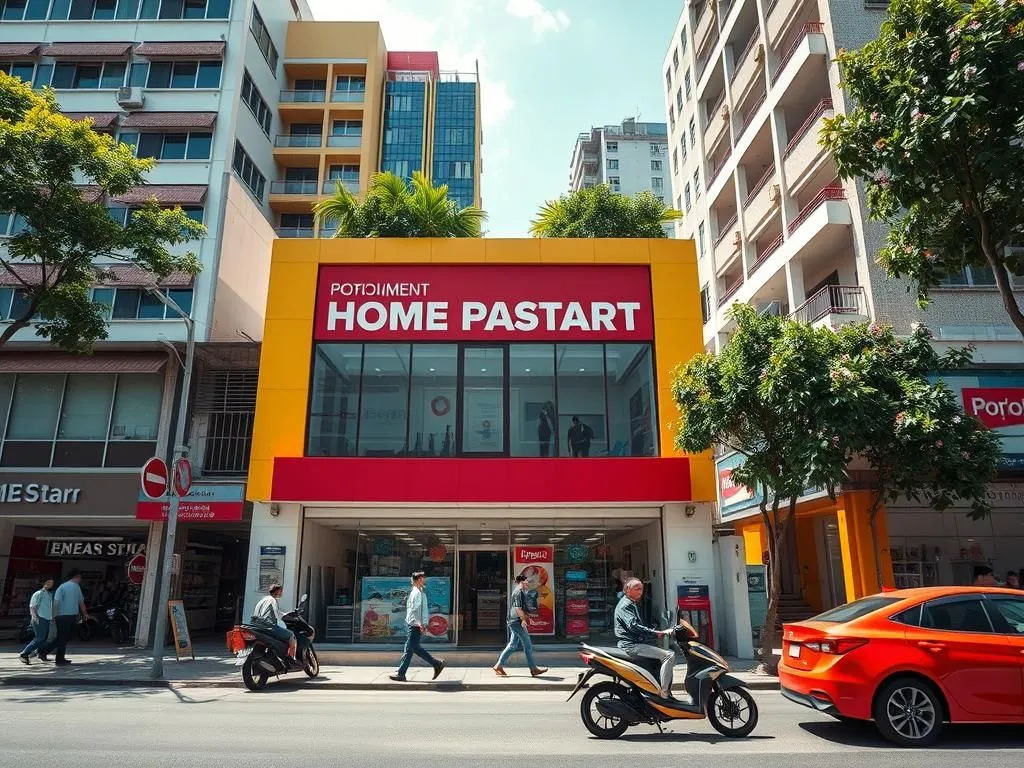
Mr. DIY stands as Malaysia's largest home improvement store, establishing a significant retail footprint nationwide. Its distinct visual identity and widespread presence make home improvement supplies readily available and highly accessible to a broad customer base. This strategy contributes to its strong market leadership in the region.
This image captures the essence of Mr. DIY's retail presence, showcasing a recognizable storefront that has become a common sight across Malaysia. This visual consistency and widespread availability are key factors in its success, making home improvement supplies readily available to millions. The company’s continued growth and expansion into new areas are a clear indication of its powerful appeal and effective business model, making it a true market leader in the home improvement industry.
Global Footprint: Major Players and the Future of Retail
While Mr. DIY shines bright in Southeast Asia, it operates within a global retail landscape that includes other massive players. One of the most recognizable names in the worldwide home improvement retail sector is Lowe's. Hailing from the United States, Lowe's Companies, Inc. is a titan in the industry, with a long history and an expansive presence that spans thousands of stores and millions of customers. Its scale and operational expertise offer a fascinating comparison point for regional successes like Mr. DIY.
Lowe's, like other global giants, represents the pinnacle of modern home improvement retail. Their stores are vast, designed to offer a complete experience for both professional contractors and individual homeowners. They not only provide an extensive product range covering everything from major appliances to lumber and garden centers but also offer a suite of services, including installation, project planning, and product financing. Their business model emphasizes convenience, expertise, and a comprehensive solution for almost any home renovation or DIY project.
A key aspect of how these large retailers stay competitive and reach a broader audience is through embracing technology. In today’s digital age, a physical store is often just one part of the customer journey. Companies like Lowe's have invested heavily in digital tools to enhance the shopping experience. For instance, the Lowe's Home Improvement App10 allows customers to browse products, check inventory, create shopping lists, locate items in-store, and even complete purchases from their smartphones. This digital integration is crucial for meeting the demands of modern consumers who expect seamless transitions between online and offline shopping. You can learn more about Lowe's and its extensive operations through platforms like its LinkedIn profile11, which details its corporate structure and global reach.
The growth strategies of these global players often involve not just opening new stores but also perfecting their supply chains, investing in e-commerce platforms, and exploring new market segments. They are constantly innovating to make the process of home improvement easier and more accessible for everyone. For example, they might experiment with smaller urban store formats, or enhance their online delivery options to cater to busy city dwellers.
Looking ahead, the future of home improvement retail is likely to be shaped by several exciting trends:
- Sustainability: Growing consumer demand for eco-friendly products and practices will push retailers to offer more sustainable options, from recycled building materials to energy-efficient appliances.
- Personalization: Data analytics will allow retailers to offer more personalized recommendations and services, tailoring the shopping experience to individual customer preferences and home improvement goals.
- Integrated Technology: The convergence of smart home technology with home improvement supplies will become even more pronounced, with retailers offering comprehensive solutions for connected living spaces. This means not just selling smart devices, but helping customers integrate them into their home improvement projects.
- Omnichannel Experience: The blend of online and offline shopping will continue to evolve, with customers expecting a consistent and convenient experience whether they are in a physical store, on a website, or using a mobile app. This is vital for customer retention and increasing consumer spending. One trend in the Malaysian market includes smart home tech as explained here.
The successes of companies like Mr. DIY in specific regional markets, operating alongside global behemoths like Lowe's, illustrate a dynamic and competitive industry. Both are adapting to changing consumer behaviors and technological advancements, proving that the desire to improve our homes is a universal and enduring force, driving incredible innovation and growth in the retail sector.
The Hammer Drops: A Look at Financial Performance and Investment
The home improvement retail sector is not just about tools and paint; it's a significant financial engine, attracting substantial investment and generating impressive returns. The market size and financial performance of companies within this industry are key indicators of economic health and consumer confidence.
Let's revisit Malaysia, where the home improvement market is on a clear upward trajectory. Data highlights the consistent growth, with significant increases in market size over the years. This isn't just a fleeting trend; it reflects sustained demand driven by a combination of factors, including new housing developments, a growing population, and an increasing emphasis on maintaining and upgrading existing properties. For investors, a growing market signals ripe opportunities for expanding market share and profitability.
Mr. DIY's financial journey serves as a powerful case study in this regard. Their decision to launch an Initial Public Offering (IPO) was a bold move that paid off handsomely, allowing the company to raise significant capital for further expansion. The initial reports of Malaysia's largest home-improvement retailer seeking $361 million in its IPO showed the financial community’s strong interest. This kind of public offering not only provides a financial boost but also enhances a company's visibility and credibility on a global scale. It allows ordinary investors to own a piece of a successful and growing business, further fueling its potential. Reports from even earlier, noting that the top Malaysia home improvement chain was said to eye a $500 million IPO, underscore the long-term financial ambition and stability of the company.
The success of Mr. DIY, culminating in accolades like the "Company of the Year" award in 2023, speaks volumes about its robust financial performance and operational excellence. Such awards are not given lightly; they are based on rigorous analysis of a company's growth strategies, financial health, innovation, and leadership within its industry. For investors, this kind of recognition is a strong signal of a healthy and well-managed business.
Furthermore, the expansion into new markets, such as Vietnam, as highlighted by Mr. DIY's launch there, demonstrates a strategic use of capital to capture new market opportunities. These expansions are not just about opening new stores; they involve significant investment in logistics, local talent, and understanding new consumer behaviors. The success of these ventures directly contributes to the overall financial strength and long-term growth of the company.
The broader ASEAN home improvement market, encompassing countries like Indonesia and Singapore, also presents substantial financial opportunities. This regional perspective is crucial for understanding the potential for continued investment and expansion. As economies in Southeast Asia continue to develop, the disposable income of households increases, leading to more consumer spending on home improvement projects and aspirations for better living spaces. You can read more about this trend here.
In essence, the financial health of the home improvement retail market is a reflection of its fundamental role in society. As long as people live in homes and aspire to make them better, this sector will continue to thrive, generating wealth and providing essential goods and services.
Conclusion: Building a Brighter Future, One Home at a Time
From the cozy corners of local hardware shops to the bustling aisles of immense Home Improvement Retail giants, this industry is a fascinating testament to human ingenuity and the enduring desire to create better living spaces. We’ve journeyed through the dynamic landscape of this sector, uncovering the key differences between traditional stores and modern retailers, and marveling at the sheer market size and growth potential, especially in vibrant regions like Southeast Asia.
Our spotlight on Mr. DIY revealed a truly remarkable Malaysian success story. We saw how this company transformed into Malaysia's largest home improvement store, not just through impressive IPO milestones and ambitious expansion strategies into new territories like Vietnam, but also by consistently delivering value and earning prestigious recognition, such as the "Company of the Year" award. Its journey is a powerful reminder that understanding local needs and executing a clear vision can lead to extraordinary achievements.
We also looked at the global scale, acknowledging the vast presence of players like Lowe's and their embrace of digital tools like mobile apps to enhance the customer experience. This highlights a crucial trend: the future of Home Improvement Retail is undoubtedly omnichannel, blending the best of physical stores with the convenience of online shopping.
As we look ahead, the home improvement market in Malaysia continues its strong trajectory, supported by robust economic factors and an active consumer base. The broader ASEAN Home Improvement Market also promises continued growth, presenting exciting opportunities for both established companies and emerging players.
Whether you’re a DIY enthusiast embarking on your next home improvement project, a professional contractor sourcing materials, or simply someone dreaming of a beautifully renovated living space, the world of Home Improvement Retail is there to equip you every step of the way. It’s an industry that doesn't just sell products; it empowers us to transform houses into homes, reflecting our personalities and improving our daily lives. And as long as there are homes to be loved and dreams to be built, this exciting sector will continue to innovate, grow, and flourish, one nail, one paint swatch, and one satisfied customer at a time.
Frequently Asked Questions
Question: What defines the Home Improvement Retail market?
Answer: It encompasses the sale of products and services used to repair, renovate, or decorate homes, catering to both DIY enthusiasts and those seeking professional help for various home projects.
Question: How does Mr. DIY differentiate itself in the market?
Answer: Mr. DIY distinguishes itself through its vast product range, competitive pricing, strategic expansion both domestically and internationally, and strong brand loyalty, making it a one-stop shop for diverse home improvement needs.
Question: What are the emerging trends in Home Improvement Retail?
Answer: Key trends include increased demand for sustainable products, personalized shopping experiences, integration of smart home technology, and the evolution of omnichannel retail, blending online and physical store experiences seamlessly.
Disclaimer: The information is provided for general information only. BridgeProperties makes no representations or warranties in relation to the information, including but not limited to any representation or warranty as to the fitness for any particular purpose of the information to the fullest extent permitted by law. While every effort has been made to ensure that the information provided in this article is accurate, reliable, and complete as of the time of writing, the information provided in this article should not be relied upon to make any financial, investment, real estate or legal decisions. Additionally, the information should not substitute advice from a trained professional who can take into account your personal facts and circumstances, and we accept no liability if you use the information to form decisions.
