
.webp)
Buying Property Pitfalls in Malaysia: What Every Foreign Investor Needs to Know
Key Takeaways
- Legal Mistakes: Many foreigners misunderstand state-specific regulations that affect eligibility to buy property.
- Title Oversights: Not checking leasehold durations and strata bylaws can lead to limitations after purchase.
- Agent Risks: Engaging unlicensed brokers may expose buyers to scams or missing documentation.
- Hidden Costs: Foreign buyers often overlook taxes and transaction expenses above property price.
- Trend-Based Errors: Buying in popular areas without evaluating lifestyle needs poses long-term problems.
Why Malaysia Is a Top Property Target—And Why That Means Risk
Malaysia has long been a hotspot for property investment, thanks to its Malaysia My Second Home (MM2H) residency program, modern infrastructure, and favorable cost of living. According to expat discussions, many foreign buyers are drawn by the country's affordability and English-speaking environment. But don’t let these perks blind you to the potential pitfalls.
In fact, many people inadvertently fall into traps due to assumptions, unfamiliar legal structures, and hidden costs—some of which are uniquely Malaysian.
Let’s start with the core areas where buyers often stumble.
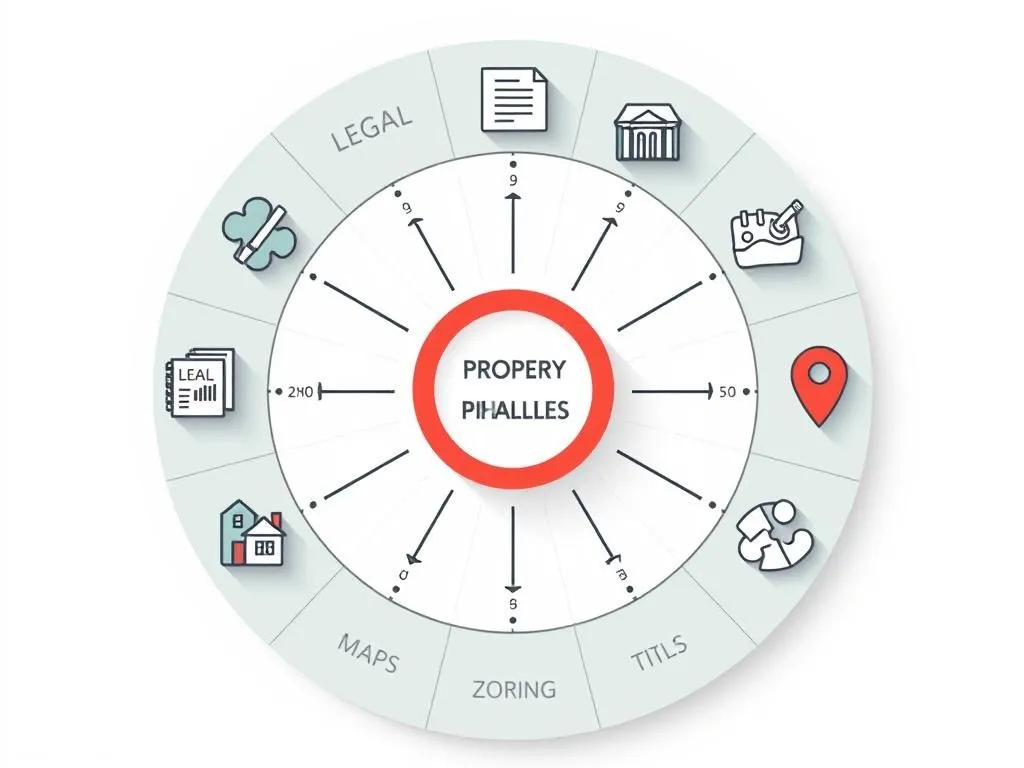
An informative breakdown of eight typical oversights that investors and homebuyers must address when acquiring property.
Pitfall #1: Overlooking Legal Restrictions for Foreigners
While Malaysia generally welcomes foreign investors, not all property is up for grabs. Certain housing types—especially low-cost homes or properties below a price threshold—are restricted to Malaysian citizens.
Foreigners are mostly limited to buying high-rise units like condominiums in major cities, and often at minimum price thresholds that vary by state. For example, in Selangor, the minimum is RM2 million. This fragmented legal framework frequently catches foreign buyers off guard1.
Pitfall #2: Skipping Title Checks and Strata Rules
Is the property you’re considering built on freehold or leasehold land? Does it carry a strata title with community restrictions?
In Malaysia, too many foreigners buy units without reviewing these documents in detail—only to discover later that renovation policies, pet rules, and subletting guidelines are far stricter than assumed2.
Pitfall #3: Misunderstanding Agent Roles and Commission Practices
In Malaysia, some individuals operate as informal brokers without proper certifications. Relying on such agents can put you at risk of fraudulent listings or incorrect processes.
Only registered real estate negotiators with REN numbers are legally permitted to conduct property sales. Always request verification and use reliable platforms to vet agents3.
Pitfall #4: Overpaying Due to Underestimating Hidden Costs
The purchase price of the home is just the tip of the iceberg. Many buyers are surprised by mandatory extras like legal fees, stamp duties, and maintenance charges, especially on strata properties4.
Pitfall #5: Choosing the Wrong Location Based on Trends, Not Needs
Some investors prioritize market trends over personal or tenant livability. This might be acceptable for flippers, but not for those looking to reside or rent long-term in Malaysia5.
International Perspectives: What Malaysia Shares (and Doesn’t) with Other Markets
Let’s take a quick tour of global real estate pitfalls to compare unique concerns and advantages when buying in Malaysia.
In Portugal, excessive bureaucracy and delays slow the buying process, while in Italy, inheritance laws create post-sale complications6.
Red tape in Italy can add months to title processing. Many expats report up to a year before the deal closes—unlike Malaysia’s 3–6 month process7.
In Turkey, properties unofficially sold or undervalued can invalidate an application for citizenship-by-investment—placing real estate and immigration both at risk8.
Thailand’s laws largely restrict foreign land ownership to condos. However, law gray areas and scams remain problematic for expats buying units9.
The UK offers rule-of-law protections but comes with steep costs—making Malaysia more appealing to investors with tighter budgets or rental income goals10.
Frequently Asked Questions
Question: Can foreigners buy landed property in Malaysia?
Answer: Not all landed properties are available to foreigners. It depends on state regulations, and most restrict such purchases unless the property value is above specific thresholds.
Question: How long does the property registration process take in Malaysia?
Answer: Typically, the legal and transfer process in Malaysia takes 3–6 months, provided documentation is complete and approvals are not delayed.
Question: Are leasehold properties a bad investment in Malaysia?
Answer: Leasehold properties can still be valuable if they have many years remaining on the lease or are in high-demand areas. However, short leases (under 60 years) may impact resale value and loan eligibility.
Disclaimer: The information is provided for general information only. BridgeProperties makes no representations or warranties in relation to the information, including but not limited to any representation or warranty as to the fitness for any particular purpose of the information to the fullest extent permitted by law. While every effort has been made to ensure that the information provided in this article is accurate, reliable, and complete as of the time of writing, the information provided in this article should not be relied upon to make any financial, investment, real estate or legal decisions. Additionally, the information should not substitute advice from a trained professional who can take into account your personal facts and circumstances, and we accept no liability if you use the information to form decisions.
