
Legal Tax Requirements for Dropshipping in Malaysia: What Entrepreneurs Need to Know
Key Takeaways
- Business Registration: Dropshippers must legally register their businesses with Malaysian authorities such as the SSM.
- Tax Compliance: Income from dropshipping is taxable, including international sales, and must be accurately reported to LHDN.
- Import & SST Implications: Customs duties and SST are applicable based on transaction types and goods entry status into Malaysia.
- Overseas Selling Compliance: Operating in foreign markets like the USA or EU requires adherence to respective digital commerce and tax laws.
- Avoid Legal Pitfalls: Educate yourself on intellectual property, product compliance, and consumer rights to avoid fines or shutdowns.
Understanding Dropshipping and Market Viability in Malaysia
Malaysia’s fast-evolving digital ecosystem has given rise to the attractiveness of dropshipping, which eliminates the need to handle or stock inventories, making it a go-to model for budget-conscious entrepreneurs1.
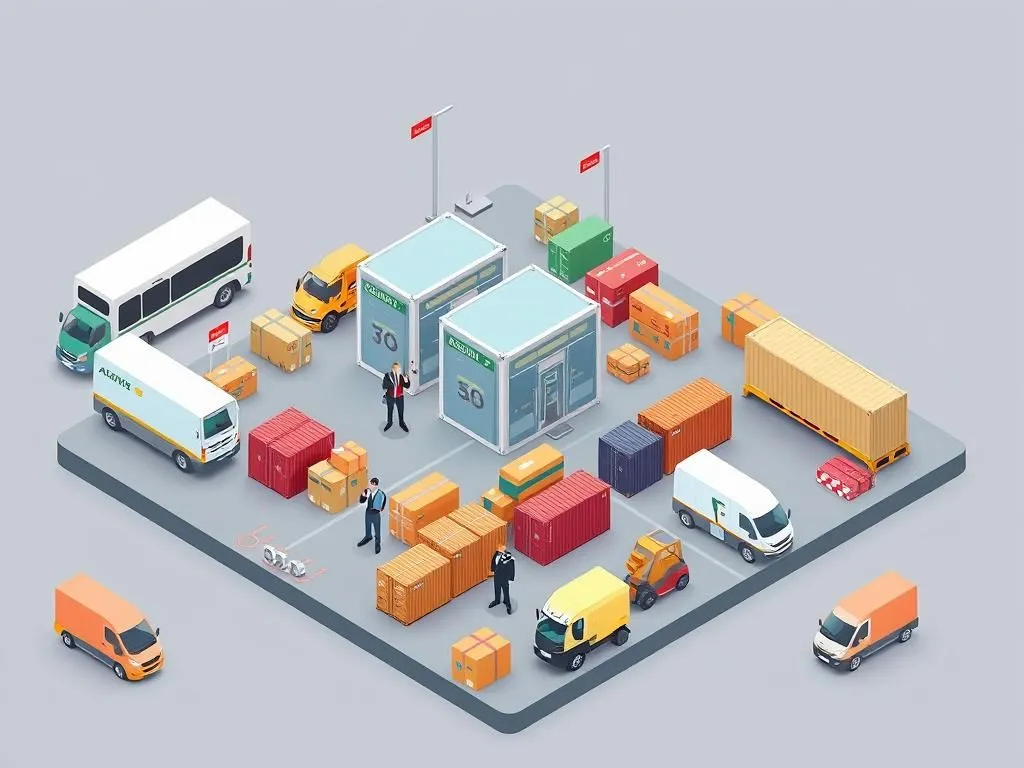
Modern fulfillment strategies enable faster global logistics without traditional warehousing
Business Registration Steps for Malaysian Dropshippers
Every dropshipping venture in Malaysia must begin with formal registration with SSM, followed by selecting a suitable legal structure and ensuring access to merchant platforms through proper compliance2.
Tax Duties and Income Obligations
Individuals earning profit from dropshipping—whether from local or foreign buyers—must report their net earnings to LHDN and adhere to Malaysia’s standard progressive income tax rates3.
Sales and Service Tax (SST) Overview for Online Businesses
Although SST registration isn’t required for most dropshipping setups, exceptions apply when imported goods enter Malaysia physically, necessitating due diligence and solid turnover tracking4.
Dealing with Customs: When Products Pass Through Malaysian Borders
When your overseas supplier ships directly to Malaysian customers, local customs laws and import duties kick in, demanding thorough knowledge about related taxes and documentation5.
Cross-Border Compliance When Selling to the United States
You can legally dropship from Malaysia to U.S.-based customers with no local corporate presence, but you must register sales tax where applicable and ensure compliant invoicing and payment processing6.
Operating Within Shopify’s Global Dropshipping Framework
Shopify confirms that foreign-based sellers can run stores targeted to U.S. audiences provided they meet digital and tax regulations within those regions7.
Understanding Laws When Dropshipping to EU Markets
Selling to European Union markets, including Spain, introduces complex VAT, data privacy rules, and digital verification mandates for which Malaysian sellers must ardently prepare8.
Legal Risks Most Dropshippers Overlook
Unlicensed product names, non-compliance with safety regulations, and failure to refund consumers properly can all bring legal scrutiny to your business9.
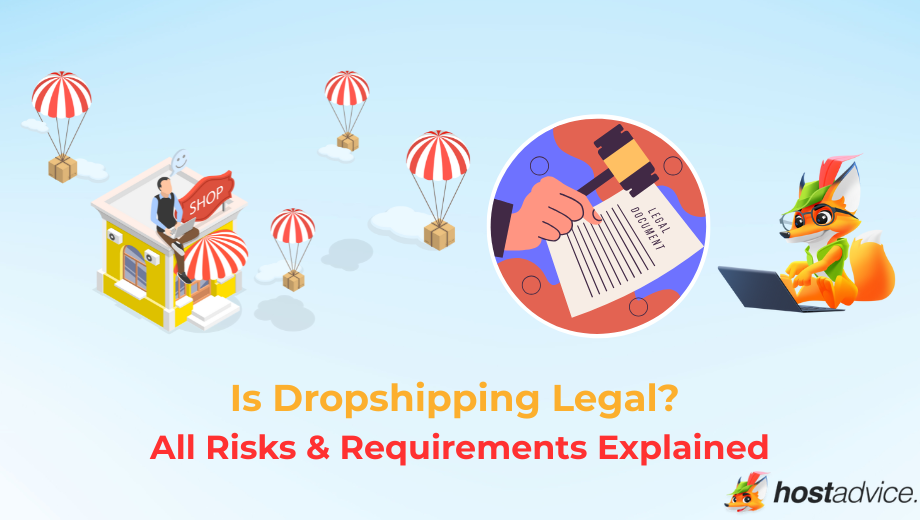
Key risks and mandatory requirements visualized for software-based international sellers
Real Case Study: Import Tax Woes from Switzerland
An overseas buyer shared their ordeal paying over 50% in import duties when sourcing goods from Switzerland, reinforcing the importance of understanding customs before choosing suppliers10.
Frequently Asked Questions
Question: Do I need to charge SST on my dropshipped products in Malaysia?
Answer: Most dropshippers are exempt from SST when goods are shipped directly from overseas to end consumers, but documentation and turnover must be properly tracked.
Question: Can I still run a dropshipping store from Malaysia selling to America?
Answer: Yes, you can operate internationally. However, U.S. sales tax responsibilities and invoice accuracies must be carefully adhered to.
Question: What happens if I don’t declare my dropshipping revenue?
Answer: Failure to declare such income may lead to hefty penalties or audits by Malaysia’s Inland Revenue Board.
Disclaimer: The information is provided for general information only. BridgeProperties makes no representations or warranties in relation to the information, including but not limited to any representation or warranty as to the fitness for any particular purpose of the information to the fullest extent permitted by law. While every effort has been made to ensure that the information provided in this article is accurate, reliable, and complete as of the time of writing, the information provided in this article should not be relied upon to make any financial, investment, real estate or legal decisions. Additionally, the information should not substitute advice from a trained professional who can take into account your personal facts and circumstances, and we accept no liability if you use the information to form decisions.