.webp)
Renting Properties in Malaysia: What to Know About the Country’s Evolving Rental Landscape
Key Takeaways
- Rising Rental Demand: Malaysia’s rental market grows with over 150,000 properties available, showing robust demand across urban and suburban regions.
- Diverse Platforms: Online search engines simplify rental property discovery through tailored listings and filters for ease of selection.
- Investment Opportunity: Rental properties offer potential income for investors, especially in key cities like Kuala Lumpur and Penang.
A Thriving Market With Over 150,000 Homes for Rent
Malaysia’s rental property market is more active than ever, with over 152,000 listings available as of December 20251.
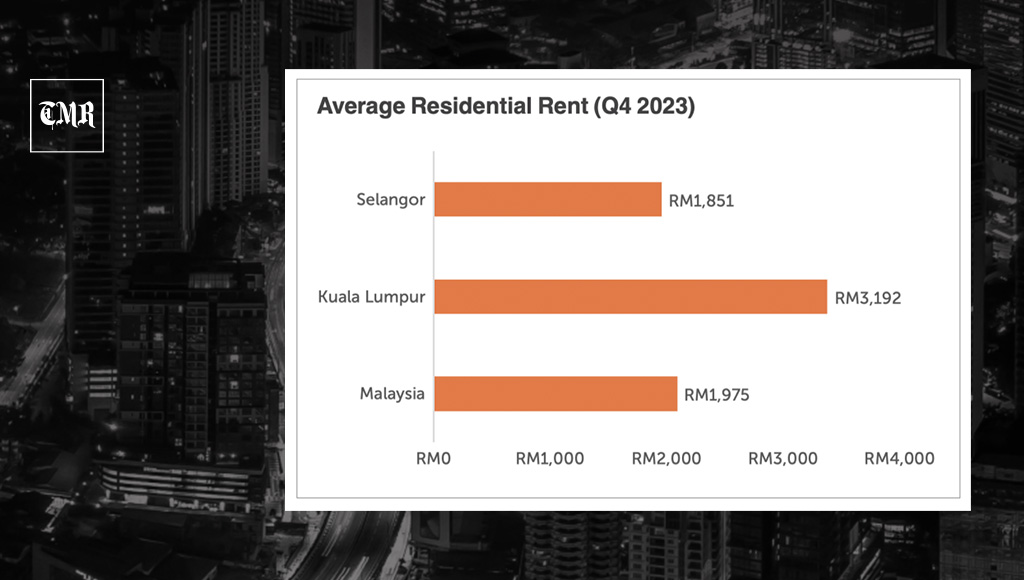
Rental prices have also experienced a notable increase, reporting a 5.5% rise in 2023, emphasizing demand stability in housing2.
The supply caters to various demographics, from working professionals in high-rise condos to families seeking space in landed homes3.

Modern residential units illustrate the breadth and style of rental options across Malaysia’s rental marketplace
Where to Find Properties: Searching Made Simple
Property seekers in Malaysia typically begin their journey online through portals like PropertyGuru Malaysia, which offer a centralized hub for home listings4.
Alternative platforms such as FazWaz and Vrbo cater to niche segments including tourists and short-term renters5.
Many expatriates and digital nomads are turning toward fully turnkey options such as Blueground due to flexibility and convenience6.
Investing in Rental Properties: Is It Worth It?
Many investors are exploring rental property ownership in Malaysia thanks to its favorable returns in competitive areas. Landlord experiences vary depending on location, tenants, and maintenance7.
As with any investment, success lies in research—balancing costs, location trends, and broader market indicators.
Becoming a Landlord: What You Should Know First
If you're entering the rental business, expect to familiarize yourself with tenancy laws, property condition compliance, and negotiating responsibilities with tenants8.
Taxes on rental income are mandatory and apply regardless of the owner’s residency status9.
Managing rental properties includes legal documentation, regular maintenance, and the possibility of outsourcing tasks to agents.
Can You Buy and Rent Immediately?
While there is no legal delay in renting out newly purchased property, practical steps like preparing amenities and promoting listings can take time10.
Financial lenders may impose certain requirements on properties purchased through loans, necessitating additional readiness measures.
Rental Discrimination: A Harsh but Real Challenge
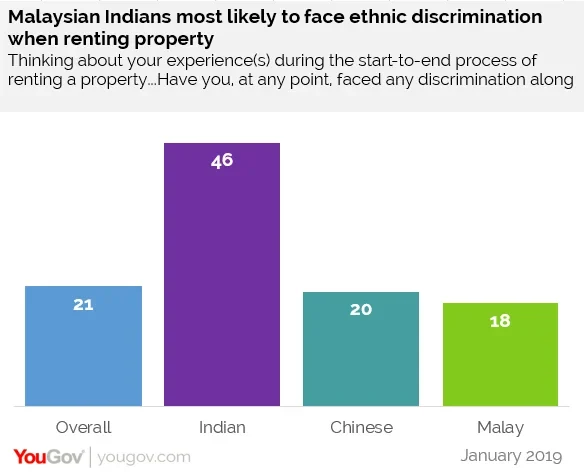
About 20% of Malaysians report experiencing racial or religious discrimination while searching for rental properties11.
Some tenants share incidents of landlords excluding certain ethnic groups from eligibility12.
Calls are growing for policy interventions to ensure inclusivity in the housing market13.
Frequently Asked Questions
Question: Can foreigners rent property in Malaysia?
Answer: Yes, foreigners can rent property in Malaysia as long as they provide proper documentation such as passport and visa information.
Question: What is the minimum rental contract period in Malaysia?
Answer: Most contracts are for a minimum of one year, though some landlords offer six-month arrangements upon negotiation.
Question: Are security deposits refundable after tenancy?
Answer: Yes, typically the deposit is refundable at the end of tenancy, provided there are no damages or unpaid bills.
Disclaimer: The information is provided for general information only. BridgeProperties makes no representations or warranties in relation to the information, including but not limited to any representation or warranty as to the fitness for any particular purpose of the information to the fullest extent permitted by law. While every effort has been made to ensure that the information provided in this article is accurate, reliable, and complete as of the time of writing, the information provided in this article should not be relied upon to make any financial, investment, real estate or legal decisions. Additionally, the information should not substitute advice from a trained professional who can take into account your personal facts and circumstances, and we accept no liability if you use the information to form decisions.