.webp)
Malaysia Residential Property Market Analysis 2025: Examining Trends, Risks, and Opportunities
Key Takeaways
- Market Maturity: Malaysia’s residential property sector is transitioning into a stable, policy-aligned environment with sustainability focus.
- Urban Expansion: Growth is moving toward suburban areas with better connectivity, affordability, and community planning.
- Climate Adaptation: Developers and authorities increasingly factor flood risks and resilience in property planning.
- Investor Confidence: Stable yields and targeted developments are restoring confidence post-pandemic.
- Future Focused: Tech integration, smart homes, and environmental certifications are becoming core housing features.
Introduction
The Malaysia Residential Property Market Analysis 2025 is more than just a real estate forecast—it's a deep dive into a rapidly evolving landscape shaped by economic forces, urban growth, climate risks, and consumer behavior. As we step into 2025, understanding where the market is heading has never been more important for investors, developers, homebuyers, and policymakers alike1.
In this report, we uncover the key data, pricing patterns, city-level growth trends, and environmental challenges shaping Malaysia’s housing future. From Kuala Lumpur to Johor Bahru and Penang, this review focuses on what’s driving demand, where supply is falling short, and how long-term investment strategies are evolving alongside policy responses2.
A Look Back: Understanding Malaysia’s Historical Housing Prices
Before forecasting what’s ahead in 2025, it's essential to understand where Malaysia's residential property market has been. Over the past two decades, the price of homes has seen notable fluctuations, influenced by economic cycles, government policies, and consumer sentiment3.
Real residential property prices in Malaysia peaked in the mid-2010s, followed by moderate declines. This reflects a broader market cooling and adjustment in demand amid tightening policies4.
Kuala Lumpur and Key Growth Areas: Rising Urban Momentum
Kuala Lumpur continues to be the focal point of urban growth, but 2025 sees stronger momentum pushing into suburban districts. Improved connectivity via MRT and LRT lines is reshaping buyer preferences5.
Johor Bahru is capitalizing on its geographic advantage and massive cross-border projects, while Penang’s positioning in medical and tech clusters adds to its residential appeal.
2025 Outlook: What the Experts Are Saying
The sector holds a cautiously optimistic stance entering 2025, led by transaction volumes in the affordable segment. Developers are emphasizing practical designs, transit access, and public spaces6.
Stabilized pricing and hygiene in supply are now defining the path forward, especially in maturing corridors like Selangor and Penang7.
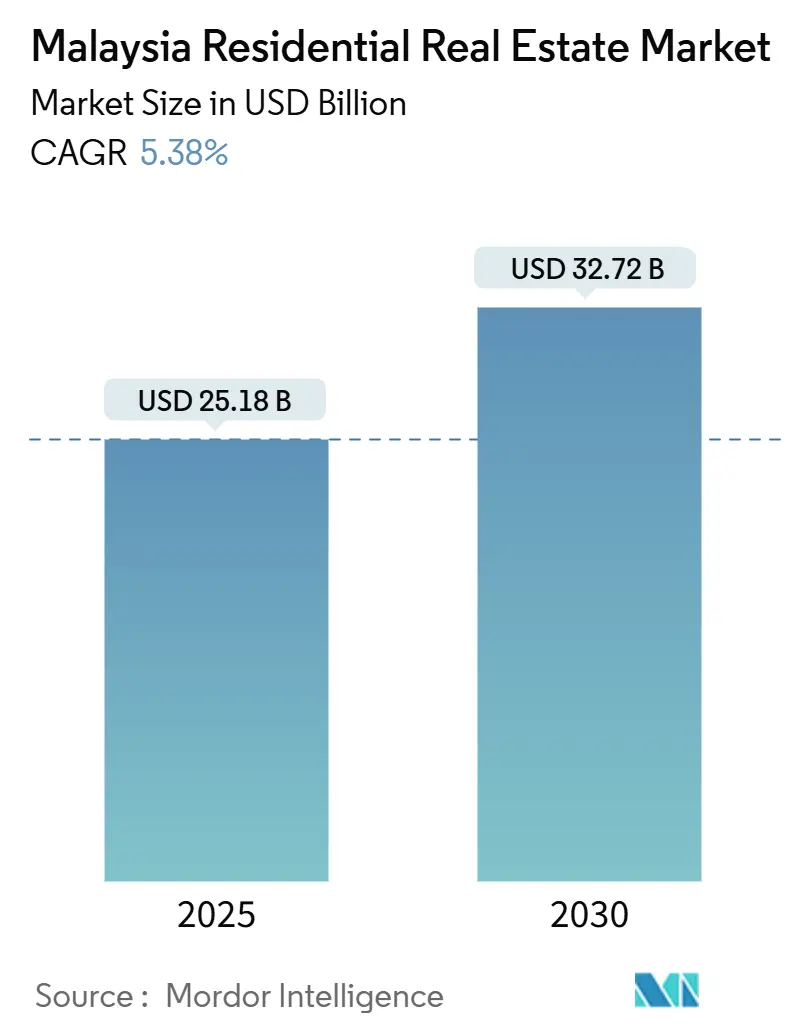
Market segmentation and major stakeholders in Malaysia's evolving residential property sector
Supply vs Demand: Digging Deeper into Market Dynamics
Mismatch between the type of homes built and buyer affordability levels remains a core issue. Oversupply of premium units in urban centers persists, while infrastructure lag impacts suburban expansion8.
There’s a surge in demand for smart-home integrations, co-living setups, and environmental credentials as buyers become more digitally literate and eco-conscious9.
Environmental Risks: Flooding and Urban Resilience
Flood-prone areas are facing reduced investor interest and higher insurance costs, making risk assessment integral to real estate decisions10.
New regulations now necessitate elevated construction bases, advanced drainage systems, and site-adaptive design to mitigate environmental vulnerabilities.
Investor Sentiment and Mid-Year 2024 Trends
With interest rates stabilizing and post-pandemic demand returning, 2024 saw encouraging pickup in transaction volume. Mid-tier apartments are outperforming luxury high-rises in terms of turnover11.
New strategies are emerging where buyers target schools, MRT stations, and second-tier districts poised for upward price momentum.
Forecast Beyond 2025: The Road to 2033
The market is expected to be reshaped by technology adoption such as AI-assisted property management, modular construction, and net-zero housing standards12.
Satellite townships around Greater KL and across Iskandar Malaysia are set to drive decentralization, provided supporting infrastructure keeps pace.
What It Means for Buyers, Developers, and Investors in 2025
- Homebuyers: Prioritize flood-resilient layouts, transit access, and future community amenities. For the latest projects, Property Guru remains the go-to platform.
- Developers: Focus on affordable pricing, practical layouts, green technologies, and lifestyle integration especially for mid-family segments.
- Investors: Look toward outer-city affordable projects, rental-friendly layouts, or integrated transport-linked assets.
- Policymakers: Embed climate-readiness in planning and expedite approvals for inclusive housing beyond mega-urban centers.
Frequently Asked Questions
Question: What are the main challenges in Malaysia’s residential property market in 2025?
Answer: The biggest challenges include affordability, oversupply in premium segments, climate risk, and the need for infrastructure development in emerging suburbs.
Question: Are property prices expected to increase rapidly in 2025?
Answer: Property prices are expected to rise modestly due to market stabilization, rather than the rapid appreciation seen in earlier decades.
Question: What property features are in highest demand among homebuyers?
Answer: There’s an increasing preference for flood-resilient features, smart-home technologies, green certifications, and proximity to transit lines and amenities.
Disclaimer: The information is provided for general information only. BridgeProperties makes no representations or warranties in relation to the information, including but not limited to any representation or warranty as to the fitness for any particular purpose of the information to the fullest extent permitted by law. While every effort has been made to ensure that the information provided in this article is accurate, reliable, and complete as of the time of writing, the information provided in this article should not be relied upon to make any financial, investment, real estate or legal decisions. Additionally, the information should not substitute advice from a trained professional who can take into account your personal facts and circumstances, and we accept no liability if you use the information to form decisions.
