
Buying Property to Rent Out: Is Malaysia the Right Place to Invest?
Key Takeaways
- Popular Strategy: Buying property to rent is a growing strategy for wealth building in Malaysia.
- Legal Flexibility: MM2H visa holders can legally rent out properties, including via Airbnb.
- Financial Reality: Actual investment costs often exceed expectations due to hidden transaction fees.
- Due Diligence Matters: Successful investors focus on market research, location, and reliable agents.
- Ethical Investing: Avoid exploiting housing programs like Rumawip meant for locals.
Why People Are Asking: Should I Buy a Property and Rent It Out in Malaysia?
Many potential investors are now reconsidering the traditional assumption that property always leads to rental income. Increased awareness of market volatility, tenant issues, and realistic yields has shifted the mindset. Renting out units in hot zones like Klang Valley can still look attractive at first glance1.
Legal Framework: Renting Out Under MM2H and Other Rules
Foreigners under Malaysia’s MM2H visa frequently ask if they are allowed to lease their properties. Growing threads in community groups highlight that they can—both long-term and short-term—provided operations align with local zoning and building rules2.
Crunching the Numbers: Is It Really Worth It?
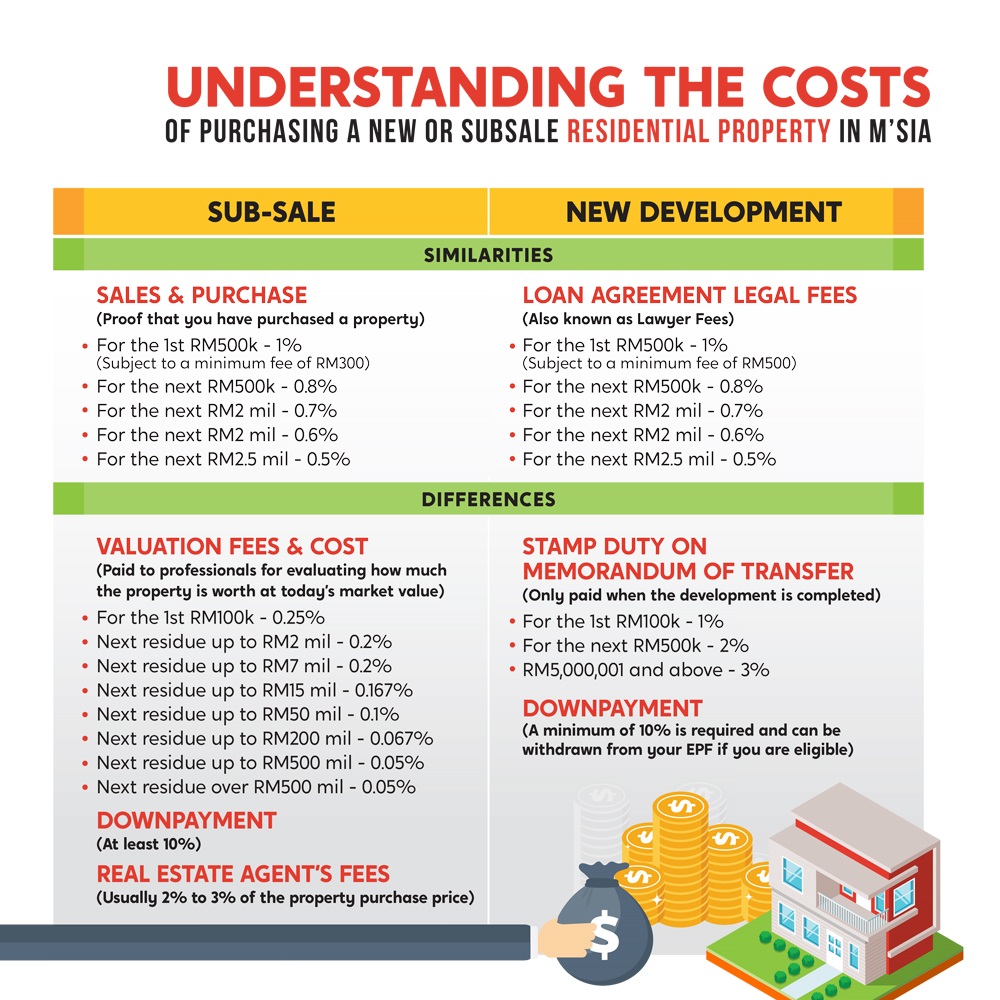
While average rental yields hover around 3–5% and prime area capital appreciation is promising, costs like legal fees and stamp duties further complicate returns. Full transaction-related fees can eat away up to 7% of the purchase value even before occupancy begins3.

Overview of expenses like legal fees, stamp duties, agent commissions, and banking costs that influence investment planning in Malaysia
What Real Investors Say: Success Stories & Cautionary Tales
Individual case studies show mixed outcomes. A Penang investor praised expat-friendly leasing returns, while others reported burdensome repair fees. It's evident that research and caution outperform blind enthusiasm4.
How First-Time Buyers Can Enter the Scene (Locally or Abroad)
New investors must evaluate tax responsibilities, property managers, and contingency funds. Avoiding too-good-to-be-true price tags is also crucial to manage rentability and turnover5.
MM2H + Property = Synergy or Sinkhole?
Community insight reveals that while MM2H enables residency and investment, cost-heavy compliance structures reduce flexibility. ROI depends on both appreciation and consistent tenant inflow6.
Property Search Made Simple: Use Reliable Platforms
To begin your journey wisely, leverage advanced search portals. In Malaysia, platforms like Property Guru combine deep data access with investor-centric tools7.
Ethical Issues and Urban Policy: The Rumawip Dilemma
Speculative investors have triggered backlash for acquiring units from affordable housing schemes like Rumawip, designed for deserving residents. Many consider such moves unethical profit tactics8.
Frequently Asked Questions
Question: Is it legal for foreigners to rent out their property in Malaysia?
Answer: Yes, foreigners can rent out properties in Malaysia, especially under the MM2H program, as long as they comply with local zoning and building regulations.
Question: What are the biggest hidden costs in Malaysian property investment?
Answer: Stamp duty, legal fees, valuation reports, maintenance charges, and agent commissions significantly impact your upfront investment.
Question: Can I manage my Malaysian rental property remotely from overseas?
Answer: Yes, by hiring a reliable property manager or agent, you can oversee tenancies, maintenance, and compliance remotely.
Disclaimer: The information is provided for general information only. BridgeProperties makes no representations or warranties in relation to the information, including but not limited to any representation or warranty as to the fitness for any particular purpose of the information to the fullest extent permitted by law. While every effort has been made to ensure that the information provided in this article is accurate, reliable, and complete as of the time of writing, the information provided in this article should not be relied upon to make any financial, investment, real estate or legal decisions. Additionally, the information should not substitute advice from a trained professional who can take into account your personal facts and circumstances, and we accept no liability if you use the information to form decisions.