
.webp)
Legal Tax Requirements for Dropshipping: A Global Compliance Guide for Malaysian Entrepreneurs
Key Takeaways
- Legal Recognition: Dropshipping is legal in most countries but subject to local consumer laws and trade regulations.
- Home Compliance: Malaysian sellers must register with SSM and keep financial records before scaling internationally.
- Tax Exemptions: Sales tax exemptions exist in Malaysia if goods bypass entry into local borders.
- Global Taxes: Understand nexus rules in the U.S. and VAT laws in Europe to remain compliant.
- Business Formation: Sole proprietorship suits early stages, while a Sdn. Bhd. structure supports international expansion.
Dropshipping Is Legal — But Not Lawless
Dropshipping is a legitimate business model embraced by entrepreneurs worldwide. While the process of selling goods without handling inventory is straightforward, compliance is not. Every country imposes unique guidelines on consumer rights, return policies, and trade limitations, especially when it comes to e-commerce platforms and cross-border transactions1.
Understanding Legal & Tax Requirements in Malaysia
Before tackling overseas operations, Malaysian dropshippers must fully comply with domestic obligations. That includes registering businesses through the Companies Commission of Malaysia (SSM), issuing invoices appropriately, staying transparent with refund policies, and staying informed on customs duties tied to various destinations2.
The Sales Tax Exemption You Should Know
Malaysian entrepreneurs should pay close attention to a notable exemption within domestic tax law: if your goods are delivered directly from your supplier to your customer abroad without entering Malaysian ports, you're potentially eligible for a sales tax exemption. This advantage makes international fulfillment more cost-efficient from a compliance and competitive pricing standpoint3.
Going Global? First, Learn This About the US Tax Code
Expanding into the United States introduces complex legal requirements—especially due to varied state laws around sales tax. Even without a registered LLC, you may need to collect tax if you have “nexus” within certain states. This can be created by inventory in U.S. warehouses or relationships with local suppliers fulfilling orders on your behalf4.
Thinking Europe? Don’t Forget VAT
In European markets, Value Added Tax (VAT) presents another legal hurdle. Unlike the U.S., where tax is imposed by state, European countries manage VAT centrally. This means you might need to register for VAT in each country you serve, depending on sales volume. Compliance involves issuing VAT invoices and timely reporting to relevant authorities5.
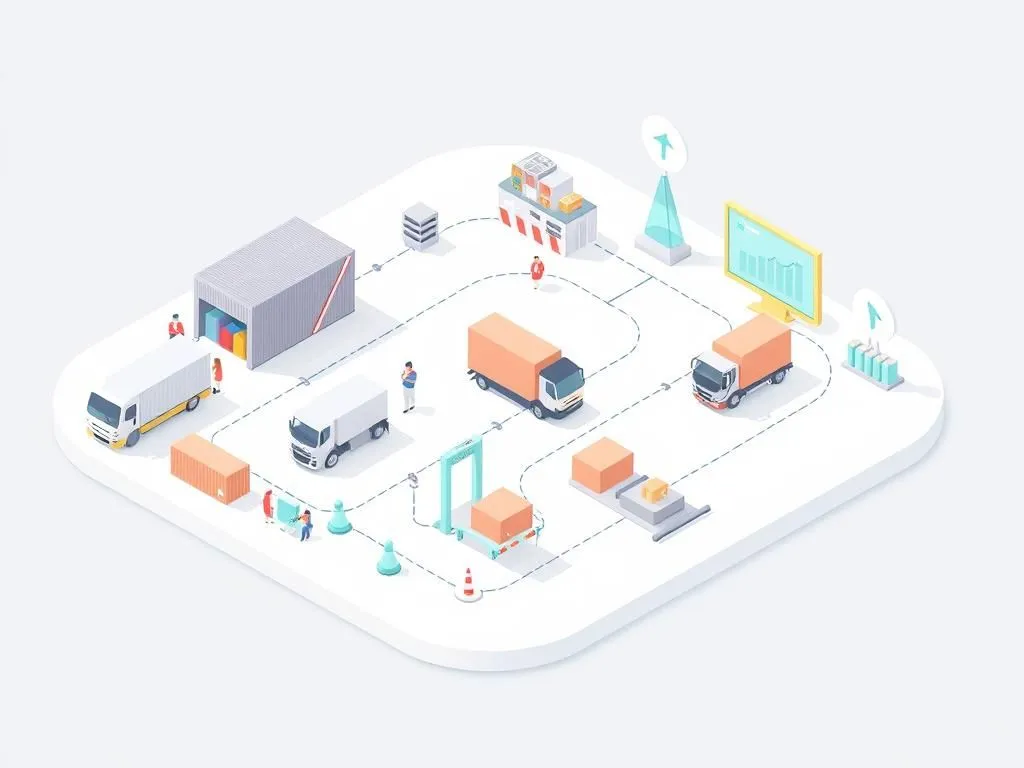
A streamlined flow showing supplier-to-customer delivery and key compliance checkpoints for international dropshipping
Business Structure: Sole Proprietor or Company?
One foundational decision for Malaysian entrepreneurs is selecting a business structure. While a sole proprietorship simplifies taxation and setup for small operations, a Private Limited Company (Sdn. Bhd.) provides more legal protection and appeal for cross-border partnerships as your brand expands6.
Pro Tips for Staying Compliant and Profitable
Staying within bounds isn’t just about ticking boxes; it builds your brand reputation. Fundamental steps include ensuring clear site policies, working only with reliable logistics firms, and automating tax filings whenever possible. With e-commerce, scaling legally is as vital as scaling fast7.
Final Thoughts: Success Lies in the Details
For Malaysian sellers, dropshipping is a great gateway to global markets, but every shipment you make should follow not only the path to your customer—but the legal path charted by regulators. A firm grip on domestic taxes, global exemptions, and VAT obligations will give you an edge—and minimize risk.
Whether you're moving your first package or your 5,000th, legal compliance remains your silent growth engine. Understand it. Respect it. Build with it.
— Written by the AI Industry Watch Team. Tracking global compliance trends in e-commerce and helping digital entrepreneurs thrive.
Frequently Asked Questions
Question: Do Malaysian dropshippers need to register with tax authorities before selling abroad?
Answer: Yes, they must register with Suruhanjaya Syarikat Malaysia (SSM) and ensure their record-keeping and invoicing comply with local requirements before targeting foreign markets.
Question: Is it true that Malaysian sellers need to collect US sales tax?
Answer: If their business activity establishes nexus in U.S. states, they may be obligated to register and collect sales tax accordingly—even without a U.S. entity.
Question: What's the key difference between Sole Proprietorship and Sdn. Bhd. for dropshipping?
Answer: A sole proprietorship offers simplicity and less paperwork, while Sdn. Bhd. provides better liability protection and international credibility.
Disclaimer: The information is provided for general information only. BridgeProperties makes no representations or warranties in relation to the information, including but not limited to any representation or warranty as to the fitness for any particular purpose of the information to the fullest extent permitted by law. While every effort has been made to ensure that the information provided in this article is accurate, reliable, and complete as of the time of writing, the information provided in this article should not be relied upon to make any financial, investment, real estate or legal decisions. Additionally, the information should not substitute advice from a trained professional who can take into account your personal facts and circumstances, and we accept no liability if you use the information to form decisions.
