.webp)
Malaysia Residential Property Market Analysis 2025: What's Shaping the Next Big Boom?
Key Takeaways
- Urban Pulse Rising: Major cities like Kuala Lumpur continue to lead the charge with robust development and youthful migration.
- Affordability Drives Demand: Demographics and urban migration patterns are creating demand for smaller, smarter, connected homes.
- Climate Takes Center Stage: Sustainability and flood resilience are now core considerations in property investment.
Market Dynamics and Urban Expansion
The Malaysia Residential Property Market Analysis 2025 reveals an evolving property landscape marked by economic shifts, development activity, and reform momentum. Under the MADANI framework, the real estate sector is positioning for growth with forward-looking policies and greater sustainability awareness1.

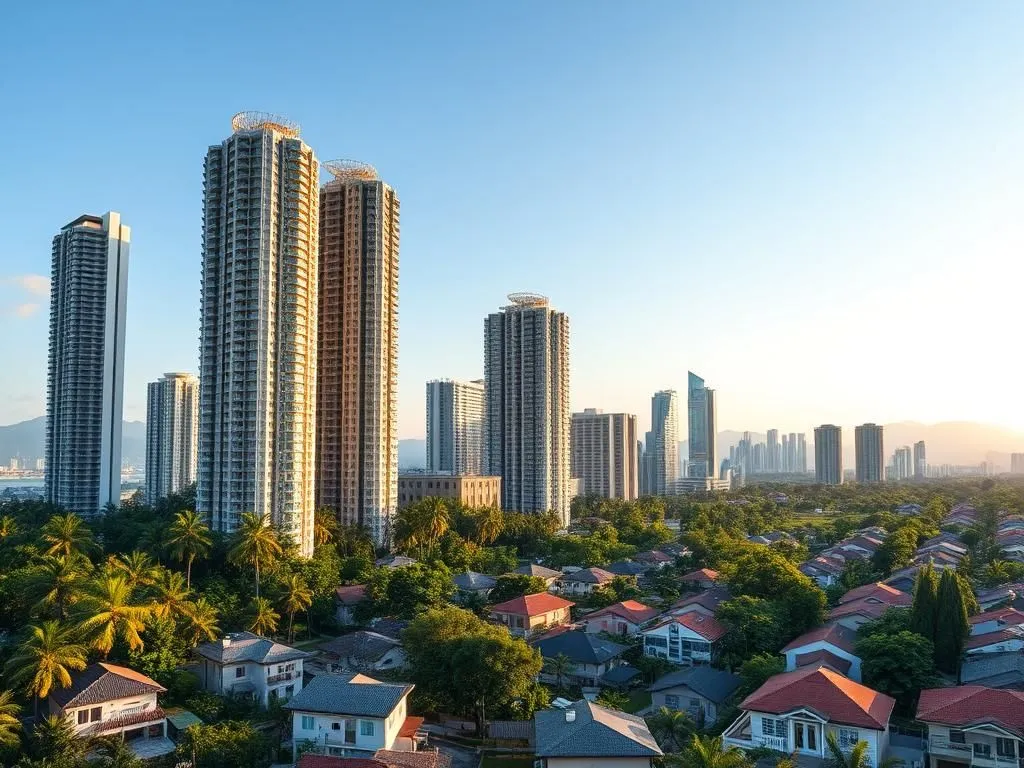
Modern skyline and urban expansion reflect Malaysia’s dynamic residential market outlook
Artificial intelligence and big data are playing increasingly critical roles in shaping smart investment decisions. Stakeholders from developers to buyers are leveraging these innovations for better forecasting, selecting locations, and understanding pricing dynamics2.
Price Trends: A Story of Growth Shaped by Cycles
Long-term pricing in Malaysia’s residential sector has generally exhibited upward growth despite periodic adjustments linked to interest rate changes and global shocks. The Federal Reserve Economic Data suggests that while inflation-adjusted prices flattened during pandemic uncertainty, 2025 shows positive signs thanks to stabilizing consumer sentiment3.
Kuala Lumpur Leads the Urban Charge
Kuala Lumpur remains a nucleus of excitement in the real estate world, combining infrastructure growth and vibrant working culture. The city's attractiveness is further enhanced by its reputation as a regional digital economy hub and evolving lifestyle-centric developments4, 5.
Spotlight on Demographics and Demand
Malaysia’s rapidly urbanizing population, especially younger cohorts, are reshaping demand expectations. There's increasing favorability for smart and accessible living spaces over expansive traditional homes6, 7.
Sustainability and Flood Risks Are Changing the Game
Flood resilience is now a defining factor for project feasibility and buyer preference. Sustainability-first developments are being incentivized by both policy and public pressure as green infrastructure transforms housing blueprints nationwide8, 9.
Market Momentum: 2025 Mid-Year Snapshot
Mid-year data underscores a recovery phase in the residential market, with improved transaction rates and reduced days-on-market. Investors and buyers are cautiously optimistic, especially with infrastructure driving new interest in suburban zones10.
The Stigma Factor: When Supply Doesn’t Meet Demand
Malaysia's property overhang issue is increasingly being scrutinized through lenses of buyer psychology. Factors like flood-prone locations, poor construction, and social perceptions continue to affect marketability despite pricing corrections11.
Investment Outlook and Hotspots to Watch
From the Klang Valley's suburban fringes to tech-focused corridors in Iskandar Malaysia, investor attention is growing across less-saturated markets. These zones benefit from infrastructure spending and support policies focused on equitable housing access12.
Frequently Asked Questions
Question: What are the main factors driving Malaysia’s residential market in 2025?
Answer: Urban migration, infrastructure improvements, demographic changes, and government reforms are shaping demand and development strategies.
Question: How important is climate resilience for homebuyers in Malaysia?
Answer: Climate resilience is increasingly essential, with homebuyers giving priority to safety, sustainability features, and risk-mitigated zones like elevated or flood-buffered developments.
Question: Are city-fringe areas gaining traction among property investors?
Answer: Yes, city-fringe regions such as parts of Greater Klang Valley are becoming hotspots due to better affordability, upgraded infrastructure, and proximity to economic hubs.
Disclaimer: The information is provided for general information only. BridgeProperties makes no representations or warranties in relation to the information, including but not limited to any representation or warranty as to the fitness for any particular purpose of the information to the fullest extent permitted by law. While every effort has been made to ensure that the information provided in this article is accurate, reliable, and complete as of the time of writing, the information provided in this article should not be relied upon to make any financial, investment, real estate or legal decisions. Additionally, the information should not substitute advice from a trained professional who can take into account your personal facts and circumstances, and we accept no liability if you use the information to form decisions.