
.webp)
Buying Property Pitfalls in Malaysia: What Every Investor Should Know
Key Takeaways
- Ownership Matters: Freehold vs Leasehold can significantly affect long-term investment value.
- Legal Readiness: Skipping due diligence or verification can delay or void property ownership.
- Certification Clarity: Completion and Occupation Certificates are essential, not optional.
- Developer Trust: Always research developers to avoid scams or unfulfilled promises.
- Retirement Insights: Malaysia’s MM2H still appeals but has evolving rules that affect property stability.
Why Malaysia Attracts Investors—and Where That Can Go Wrong
The dream of owning a tropical property in Malaysia has attracted investors and retirees for decades. From lively Kuala Lumpur skyscrapers to quiet retreats in Penang or Langkawi, there is no shortage of real estate gems. But before jumping headfirst into the Malaysian property market, it's important to understand the serious risks that can come with it. Forums and expat groups regularly share warnings that many purchasers only discover after they’ve already committed. From unexpected fees to legal snags, buying property in Malaysia—as attractive as the offer may seem—requires slow and cautious steps1.
Key Pitfalls of Buying Property in Malaysia
Understanding what kind of title your property holds is critical. Malaysia has two main types of land titles: Freehold and Leasehold. Not realizing the difference can lead to trouble. Many leasehold properties are cheaper, but once the lease runs short, future buyers may not want it. Worse, if you're misled into thinking the property is freehold, it can become a major legal disaster. A buyer’s best defense? Legal guidance and proper land title verification. Foreign buyers especially must be careful of approvals—especially if units are built on Malay Reserved Land2.
Malaysia’s property market is legally layered. Between federal and state rules, buyers must understand zoning laws, project approvals, and property usage rights. A failure to hire a competent real estate lawyer—preferably one with experience handling foreign buyer cases—is a high-risk move. A helpful explainer highlights the dangers of assuming a property is legally approved during handover—when in fact it may not be3.
Malaysian properties need both a Completion Certificate (CC) and an Occupation Certificate (OC) to be legally occupied and confirmed safe for use. Many new buyers mistakenly assume that moving in means everything is cleared—but that’s not true. Without these certificates, you're exposed to risks: denied bank loans, denied utilities, or worse, eviction under enforcement.
Malaysia has its fair share of reputable developers, but also those that overpromise and underdeliver. If a developer pressures you to pay in advance before showing valid legal documents, consider it a red flag. Buyers often fall for sales brochures while ignoring the fine print, leading to complications post-purchase4.
Retirement Abroad? Don’t Skip These Essentials
Many foreign buyers exploring retirement options in Malaysia are drawn to the MM2H program, which offers long-term visas. However, buyers should be prepared for evolving income thresholds and government policy changes. A retiree voiced concern about delays, contractor disputes, and lack of post-sale support—common stress points for new residents5.
Lessons from Other Countries: Why Pitfalls Aren’t Unique to Malaysia
Malaysia isn’t alone in delivering investment shocks. For example, Portugal's bureaucracy adds time and confusion to title processing and environmental checks6.
In Italy, contractual delays are the norm, and unpermitted construction or missing disclosures often leave foreign investors puzzled7.
Turkey’s real estate market offers citizenship paths, but buyers should be alert to undeclared liens on property and fake records8.
Thailand poses structural barriers for foreign buyers due to restrictions on land ownership, while safety and legal title clarity remain major concerns9.
Even mature markets like the UK put roadblocks in foreign buyers’ paths, thanks to foreign-targeting tax laws and increased stamp duties10.
The Right Way to Buy Property in Malaysia
Don’t let these pitfalls scare you out of investing—but let them guide you toward smarter decisions. Here’s what every buyer should do before making a move:
- ▶️ Use only credible platforms like Property Guru to search and compare listings. For a broader perspective on reliable property search and comparisons in Malaysia, check this useful resource: https://bridgeproperties.com.my/guides/1757350111810-buying
- ✅ Hire a certified real estate lawyer—not just an agent.
- 📜 Request and verify the Completion Certificate (CCC) and Occupation Certificate (OC).
- 🏡 Check zoning laws and title status (Freehold vs Leasehold).
- 💼 Research the developer’s background and complaints.
- 💬 Talk to other owners/buyers of the same project.
- 🕵️♂️ Visit the property in person before signing.
- 💰 Understand currency exchange factors and applicable taxes or stamp duties.
- ⏳ Be patient. If the process feels rushed, something may be wrong.
Final Thoughts: A Golden Opportunity, Only If Done Right
Buying property in Malaysia is still a fantastic opportunity—whether you’re investing or planning your dream retirement. But just like any investment abroad, it needs research, time, and trusted sources. The conveniences and rewards are real, but so are the risks. From legal confusion to hidden construction issues, knowing what to watch out for gives you the power to avoid costly mistakes. Let your decision be driven by facts, not flashy brochures. Because when you’re making one of the biggest purchases of your life, diligence isn’t just optional—it’s essential.
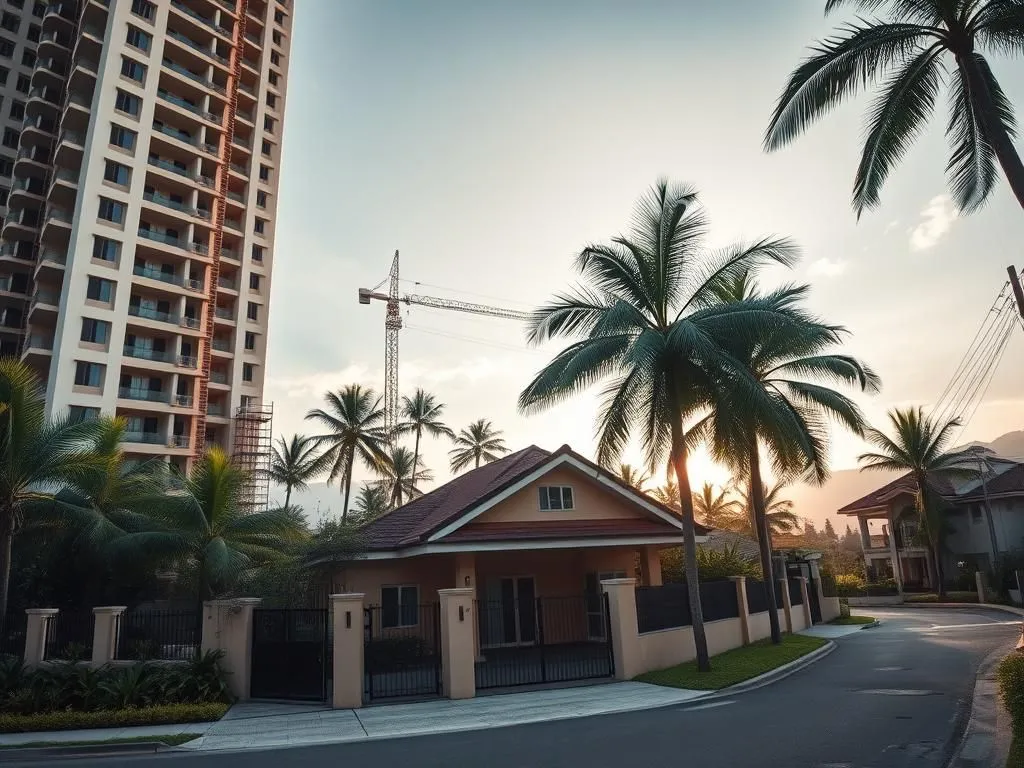
Urban and nature blended properties in Malaysia offer charm but come with legal and financial complexities
Frequently Asked Questions
Question: What certificates must I obtain to safely occupy Malaysian property?
Answer: You must have both a Completion Certificate (CC) and an Occupation Certificate (OC) to ensure the property is legally approved and habitable.
Question: Can foreigners buy freehold property in Malaysia?
Answer: Yes, but it depends on state laws and whether the property is not on Malay Reserved Land. It’s crucial to verify legal eligibility with a local property lawyer.
Question: Is the MM2H (Malaysia My Second Home) visa program still active?
Answer: Yes, but requirements such as income levels and asset declarations change frequently. Always check current regulations before applying.
Disclaimer: The information is provided for general information only. BridgeProperties makes no representations or warranties in relation to the information, including but not limited to any representation or warranty as to the fitness for any particular purpose of the information to the fullest extent permitted by law. While every effort has been made to ensure that the information provided in this article is accurate, reliable, and complete as of the time of writing, the information provided in this article should not be relied upon to make any financial, investment, real estate or legal decisions. Additionally, the information should not substitute advice from a trained professional who can take into account your personal facts and circumstances, and we accept no liability if you use the information to form decisions.
