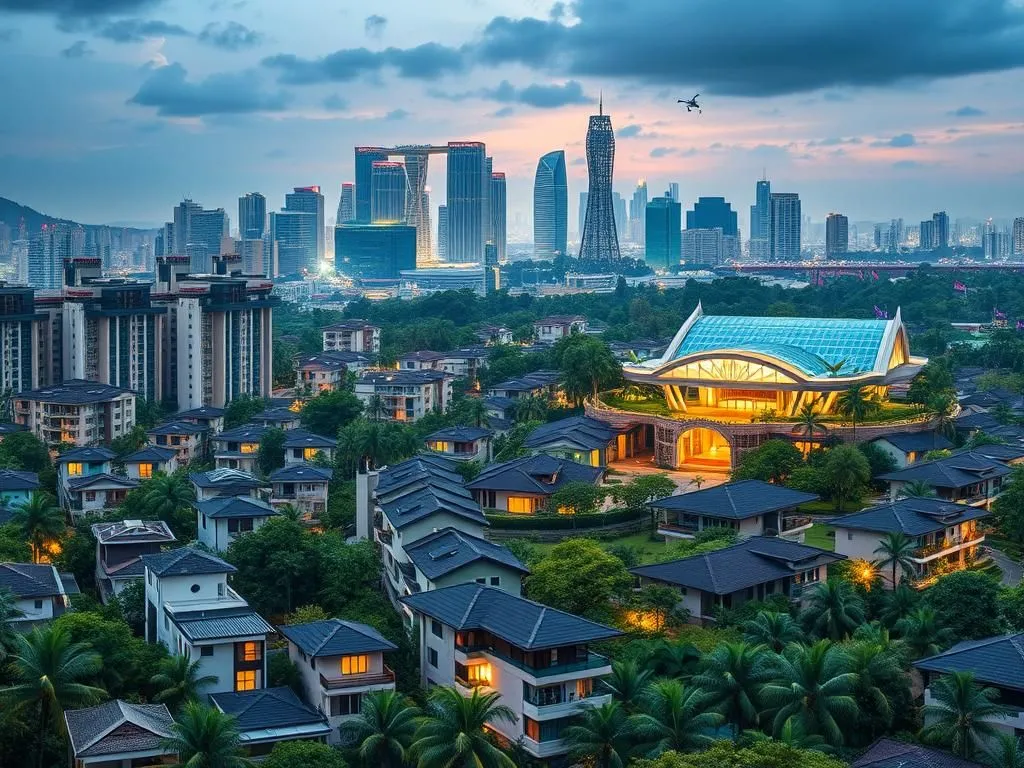
.webp)
Malaysia Residential Property Market Analysis 2025: What to Expect in a Dynamic Year Ahead
Key Takeaways
- Policy-Driven Momentum: Government incentives and stimulus packages are helping drive recovery, especially in affordable housing.
- Urban Shift: Migration to suburban belts and urban fringes is reshaping development focus zones.
- Resilient Pricing: Despite inflation, specific regions are witnessing real-term growth in residential property prices.
- Environmental Risk: Flood-prone areas are deterring buyers, while eco-conscious developments see increasing demand.
- Tech Trends: AI-powered tools and data analytics are becoming vital in property investment and development planning.
Introduction
As 2025 approaches, Malaysia’s residential property market is poised for significant shifts driven by economic recalibration, policy orientation, and societal evolution. Factors such as digitalization, sustainability, and affordability now weigh more heavily in shaping buyer behavior and investment logic1.
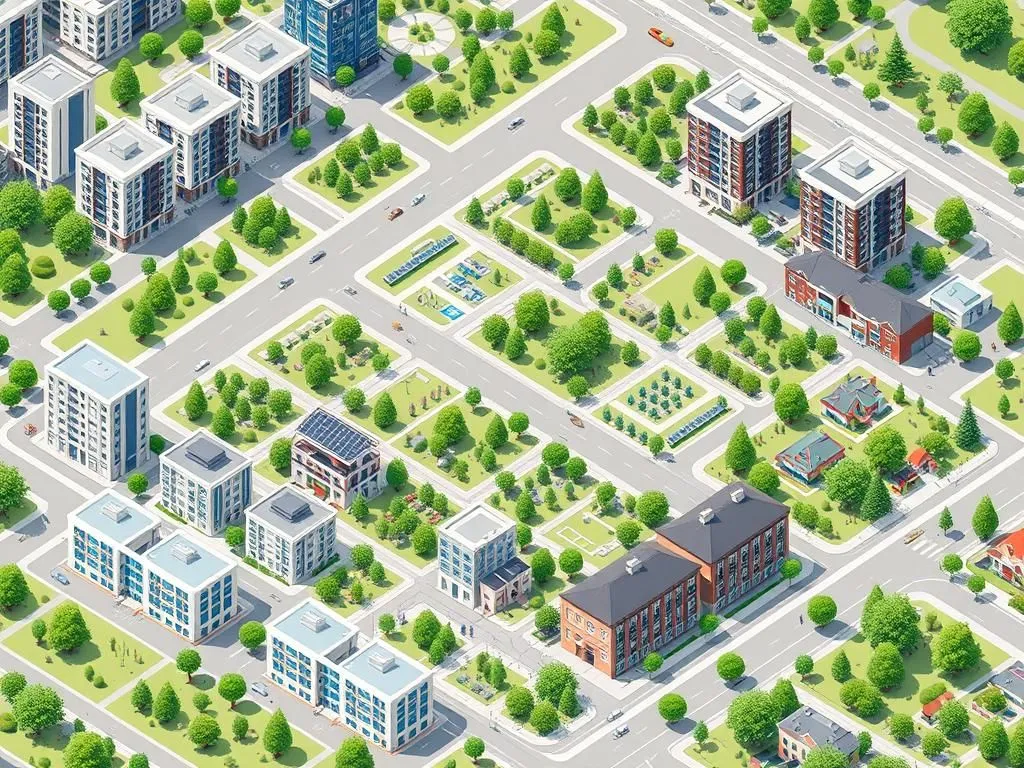
An overview capturing the evolving Malaysian residential property market in urban and suburban zones
A Market in Motion: Snapshot of Malaysia’s Housing Sector
Following a turbulent pandemic phase, Malaysia’s property sector is beginning a fresh chapter in recovery. Urban centres, especially the Klang Valley and northern Peninsular Malaysia, are seeing gradual price rebounds supported by connectivity and infrastructure2.
Economic Trends and Price Performance
While nominal pricing has shown consistent uptrend, the inflation-adjusted trajectory suggests limited real gains. Evaluating property affordability against wage growth and CPI points toward increased pressure on the middle-income segment3.
Policy Support and Government Incentives
Government schemes like revamped homeownership support programs and first-time buyer exemptions have induced demand across the RM300,000–RM500,000 property bracket. Developer collaborations under these schemes have risen in recent quarters4.
Migration Patterns and Suburban Appeal
Increasing migration into the edges of major cities like Shah Alam, Kajang, and Seberang Perai indicates shifting preferences for mixed development zones, accessibility, and lifestyle-centric designs among families5.
Evolving Buyer Preferences
Digital connectivity, flexible layouts, smart home features, and ample open spaces have become primary purchasing considerations, often dictating layout design, material choice, and communal facilities6.
Regional Performance Variations
Hotspots like Johor Bahru, Penang Island, and certain Klang Valley corridors are advancing with continued foreign interest and MYR-competitive property packages. Demand clarity is becoming increasingly defined by employment zones and transport infrastructure nodes7.
Urban Fringe vs Core Markets
In contrast with saturated urban hubs, secondary zones are outperforming in terms of value appreciation by offering larger homes, flexible financing options, and improved quality of life8.
Affordability and Risk Dynamics
New launches show growing risk-aversion with declining interest in high-density units. Demand is instead channeling into mid-rise and landed homes within affordable corridors. Analysts caution about locality-specific property overhangs9.
Commercial Growth and Spill-Over Demand
Close proximity to business parks, logistics hubs, and digital free-trade zones, such as those in Cyberjaya and Bayan Lepas, is enhancing residential project take-ups, especially among young professionals and foreign talents10.
Outlook Through 2033
Future projections signal strong emergence of ESG-centered housing typologies such as smart homes, green-certified mid-rises, and integrated community pods tailored toward mobility, health, and digital-first routines11.
Climate Risk and Valuation Impact
Flood exposure remains one of the top devaluers of residential assets. Resale setbacks have already impacted low-lying townships and have prompted banks and insurers to review coverage limits and premiums12.
Major Developers and Strategic Pivots
Developers are adjusting inventory and project scale by prioritizing agile configurations such as dual-key apartments and community-scale landed developments to retain demand across lifestyle brackets13.
Frequently Asked Questions
Question: What are the most in-demand housing types in Malaysia for 2025?
Answer: Demand is strongest for mid-rise units and landed properties with smart home features, located in suburban corridors near infrastructure expansions.
Question: Is it a good time to invest in Malaysian residential property?
Answer: Yes, especially in suburban and fringe zones where pricing remains attractive and infrastructure improvements support long-term gains.
Question: How is climate change impacting real estate decisions?
Answer: Climate-related risks like flooding are deterring buyers from certain zones, pushing demand towards eco-certified and elevated developments.
Disclaimer: The information is provided for general information only. BridgeProperties makes no representations or warranties in relation to the information, including but not limited to any representation or warranty as to the fitness for any particular purpose of the information to the fullest extent permitted by law. While every effort has been made to ensure that the information provided in this article is accurate, reliable, and complete as of the time of writing, the information provided in this article should not be relied upon to make any financial, investment, real estate or legal decisions. Additionally, the information should not substitute advice from a trained professional who can take into account your personal facts and circumstances, and we accept no liability if you use the information to form decisions.
