.webp)

Legal & Tax Requirements for Dropshipping: What Every Global Seller Needs to Know
Key Takeaways
- Business Registration: Starting a dropshipping business requires formal business registration in your local or target market.
- Tax Compliance: Understanding VAT, duties, and sales tax is essential to stay legally compliant across different regions.
- Global Logistics: Partnering with reliable logistics providers like DHL ensures smoother customs processes and supply chain management.
Getting Started with Legal and Tax Know-How
Thinking about starting a dropshipping business? You’re not alone. From side hustlers to full-time entrepreneurs, dropshipping remains one of the most popular ecommerce models in 2024. It’s affordable, scalable, and—thanks to global suppliers—surprisingly accessible. But before you hit “launch” on your online store, there’s one major hurdle to tackle first: the legal & tax requirements for dropshipping.
Understanding these rules isn’t just a box to tick. It’s your foundation for building a successful, long-lasting business. Whether selling in Malaysia, shipping to the U.S., or tapping into European markets, the legal and tax landscape can be tricky—and wildly different depending on where and how you operate.
In this guide, we dive deep into the must-know legal and tax considerations for dropshipping today, highlight region-specific rules, and share tips for staying compliant globally.
Why Legal & Tax Compliance Matters in Dropshipping
Dropshipping may seem simple, but beneath the surface are complex logistics, cross-border transactions, and regulatory obligations. Something as minor as neglecting to register your business or pay import tax can result in customs delays or even shutdowns1.
Register Your Business: First Step to Compliance
Business registration marks your entry into legitimate commerce. It unlocks access to banking, tax filings, supplier partnerships, and record keeping. Without it, compliance across borders becomes a nightmare2.
While it’s common to start out unregistered, selling into countries like the U.S. can create tax nexus, which obligates foreign sellers to register—often through an LLC. This significantly eases the compliance process3.
Malaysian dropshippers expanding overseas must stick to local rules including registering under SSM, issuing valid invoices, and preparing the right trade documents4.
Tax Rules: Sales Tax, VAT, and Duties by Region
Once you have a registered business, taxes become your next challenge. From sales tax in the U.S. to VAT in Europe and import duties in Asia, knowing your rates and documentation requirements is essential to avoid penalties and lost profit.
Dropshipping in Malaysia
Malaysia offers favorable conditions for dropshipping, with defined exemptions from sales tax for dropshipped goods under certain conditions5.
But import taxes still apply depending on the product category. Retailers need to assess margins carefully and follow import guidance to remain profitable6.
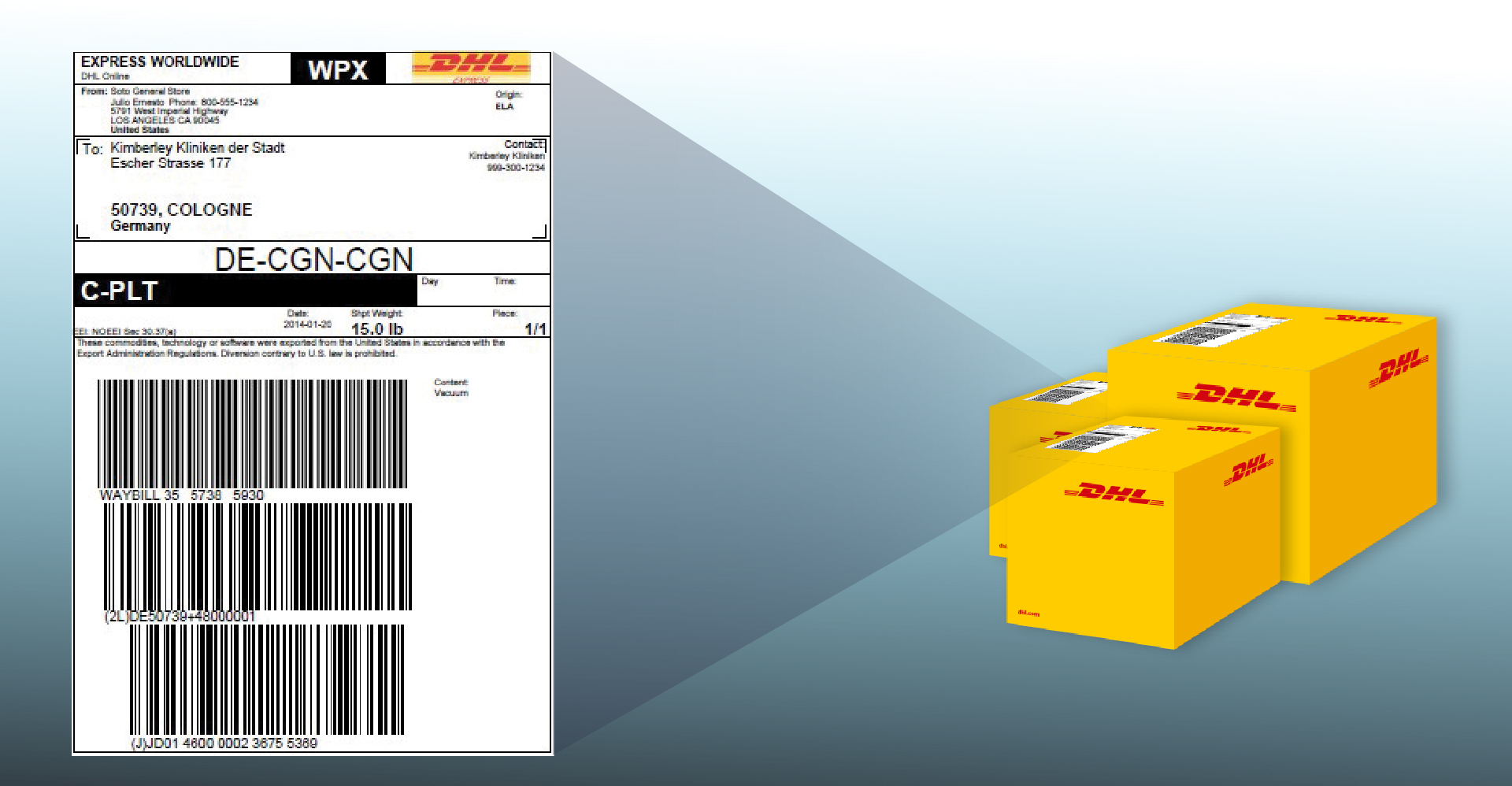
To pass customs smoothly, ensure forms like airway bills are complete and accurate to avoid costly delays7.
Selling into the U.S.
In the U.S., each state sets its own sales tax rules. Sellers must register and collect sales tax where they trigger nexus—a requirement that could be based on sales volume alone8.
Effective July 1, 2025, a new 2% sales tax regulation targets specific products, requiring updated configurations in your payment systems9.
Navigating VAT in the European Union
In France, VAT on dropshipped products applies to EU and non-EU sourced goods, and registration under local VAT authorities is necessary10.
Spain maintains its own VAT and customs approach, which sellers must understand if they plan to ship across the region11.
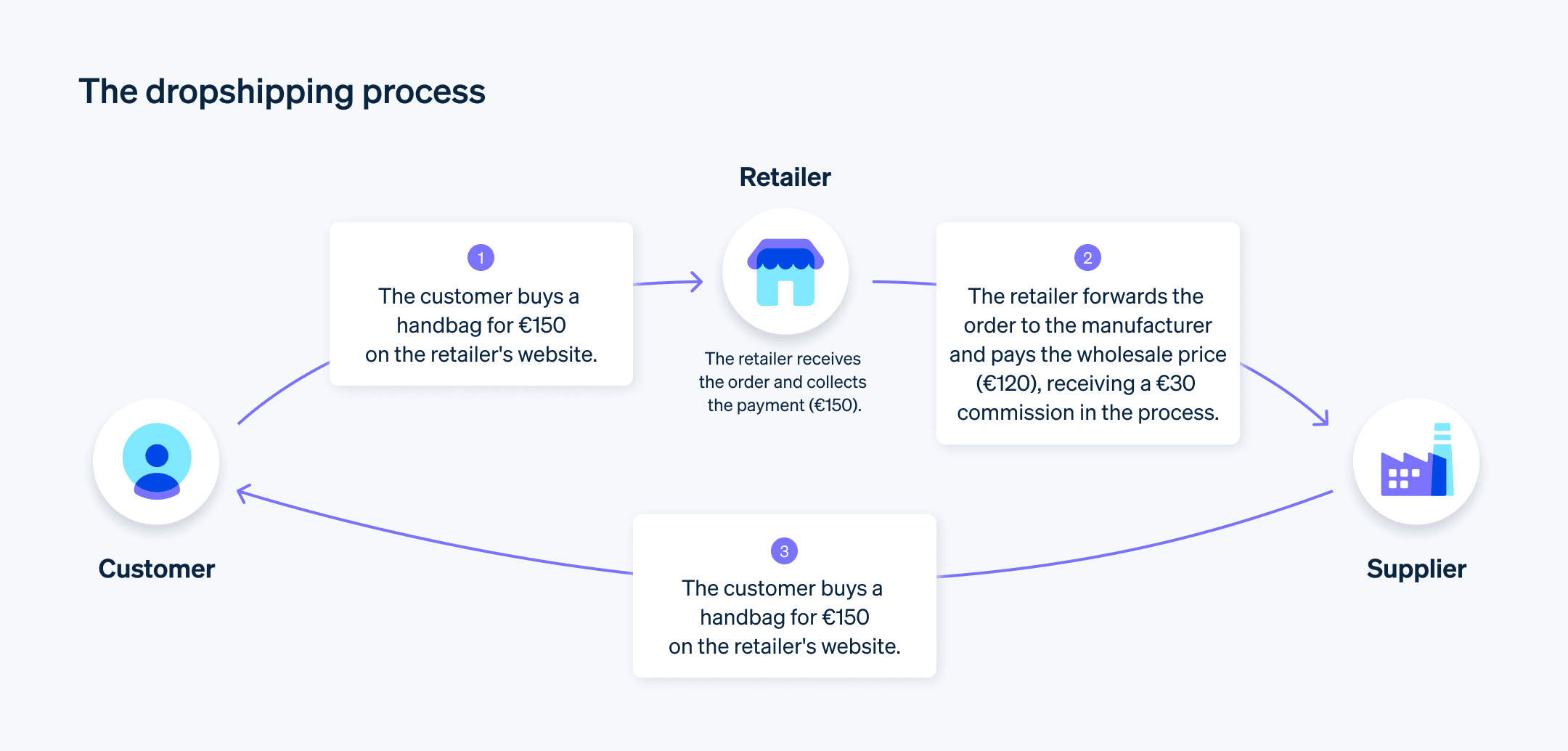
Infographic illustrating product flow, customs interaction, and VAT processing across EU member countries
How Logistics Providers Help You Stay Compliant
When handling multiple suppliers or countries, logistics providers like DHL are key. They help you manage shipping times, inventory inconsistency, and customs paperwork12.
Is Dropshipping Legal?
Dropshipping is legal globally when operated within local business and tax rules. The key is transparency, invoicing, and handling consumer data appropriately13.
Online spaces like Reddit are informative but be sure to verify guidance through licensed sources or legal professionals14.
Avoid Common Legal Pitfalls in Dropshipping
- Ignoring local sales tax laws: Even one sale could create tax responsibility.
- Skipping required documents: Air waybills or invoices are crucial to avoid shipping delays.
- Mislabeling country of origin: Errors here could result in penalties or confiscation.
- Under-declaring product value: It's illegal and risks fines or blocked shipments.
Final Thoughts: The Success Formula = Strategy + Compliance
Legal & tax requirements may feel overwhelming, but they’re the pillars of sustainable dropshipping. From the first invoice to shipping internationally, success depends on compliance as much as creativity.
Build a business on the right structure. Learn regional tax frameworks. Choose suppliers with proper paperwork. And always value your logistics network. Doing so keeps packages moving—and profits growing.
Frequently Asked Questions
Question: Is a business license mandatory to start dropshipping?
Answer: Yes, most countries require you to register your business before you begin commercial operations, especially to open business bank accounts and ensure tax compliance.
Question: What taxes do I need to consider for international dropshipping?
Answer: You must account for sales tax, VAT, duties, and import taxes, based on your country, your buyers’ location, and your product type.
Question: How can I prevent customs delays?
Answer: Complete and submit the correct shipping documentation like invoices and airway bills with accurate product details and values to prevent hold-ups at borders.
Disclaimer: The information is provided for general information only. BridgeProperties makes no representations or warranties in relation to the information, including but not limited to any representation or warranty as to the fitness for any particular purpose of the information to the fullest extent permitted by law. While every effort has been made to ensure that the information provided in this article is accurate, reliable, and complete as of the time of writing, the information provided in this article should not be relied upon to make any financial, investment, real estate or legal decisions. Additionally, the information should not substitute advice from a trained professional who can take into account your personal facts and circumstances, and we accept no liability if you use the information to form decisions.