)
.webp)
Malaysia Home Improvement Market Size: Growth Trends, Key Players, and Future Outlook in 2026
Key Takeaways
- Rapid Market Growth: The sector is expanding steadily with increasing demand for renovation and home upgrades.
- Lifestyle Transformation: Homes are evolving into multifunctional spaces, driving spending on decor and design.
- Digital Shift: Online home service platforms are making maintenance faster and more accessible.
- Retail Dominance: Affordable retailers like MR D.I.Y. play a major role in shaping consumer purchasing behavior.
- Future Opportunities: Smart homes, sustainability, and e-commerce are key drivers of future growth.
A Market on the Rise
The Malaysia home improvement market has shown strong growth in recent years, with steady year-on-year expansion recorded between 2019 and 2022, indicating sustained demand across renovation and upgrade activities1.
This upward trend is expected to continue through 2030 as the market becomes more diverse, with increasing interest in different types of home projects and improvements across the country2.
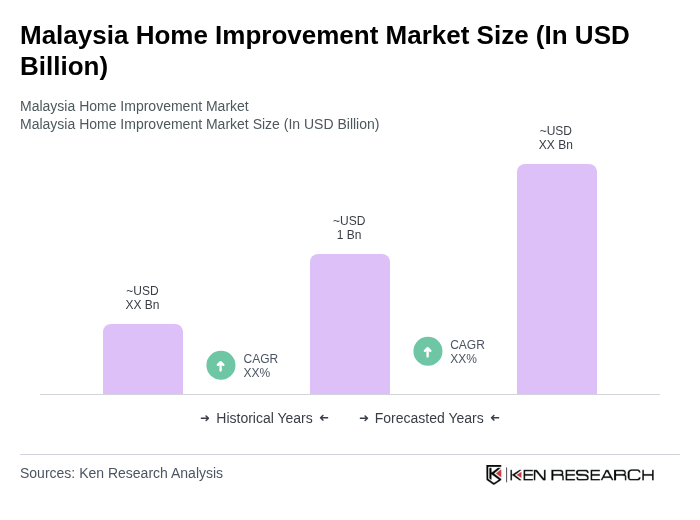
Overview of market growth patterns and segmentation across renovation, repair, and home upgrade categories
What Is Driving the Growth?
Urban Living and Rising Incomes
Urbanization continues to reshape living patterns in Malaysia, with more people moving into cities and adapting to compact spaces that require efficient design and regular upgrades. Rising middle-class incomes further support increased spending on kitchens, bathrooms, and modern interiors.
Changing Lifestyle Preferences
Homes are now multifunctional spaces used for work, relaxation, and social interaction, driving demand for decor and renovation as consumers prioritize both comfort and visual appeal3.
The Rise of Digital Home Services
Digital platforms have transformed how homeowners access services, making it easier to book professionals with transparent pricing and reliable service options, significantly improving the home maintenance experience4.
Breaking Down the Market Segments
The Malaysia home improvement market consists of multiple segments, each contributing to its overall growth and diversification5.
Renovation Projects
These include large-scale upgrades such as kitchen remodeling, bathroom redesign, and structural changes that provide long-term value.
Repair and Maintenance
This segment focuses on essential services like plumbing, electrical work, and painting, ensuring homes remain functional and well-maintained.
New Improvement Projects
Homeowners are increasingly investing in personalization through smart systems, storage upgrades, and decorative enhancements.
The Role of Retail Giants: MR D.I.Y.
MR D.I.Y. has emerged as a dominant player by offering affordable products and a wide selection, making home improvement accessible to a broader population. Its strong market presence was highlighted through a major IPO milestone and continued recognition in the retail sector6.
The brand’s popularity is further reinforced by customer engagement and public discussions, reflecting both satisfaction and evolving expectations in the market7.
Consumer Behavior: What Malaysians Want
Consumer preferences are evolving, with strong emphasis on affordability, DIY projects, and visually appealing interiors influenced by digital platforms and social media trends8.
The Link Between Real Estate and Home Improvement
The home improvement sector closely follows real estate activity, as new property developments generate consistent demand for renovations and interior upgrades9.
Financing the Dream: The Role of Personal Loans
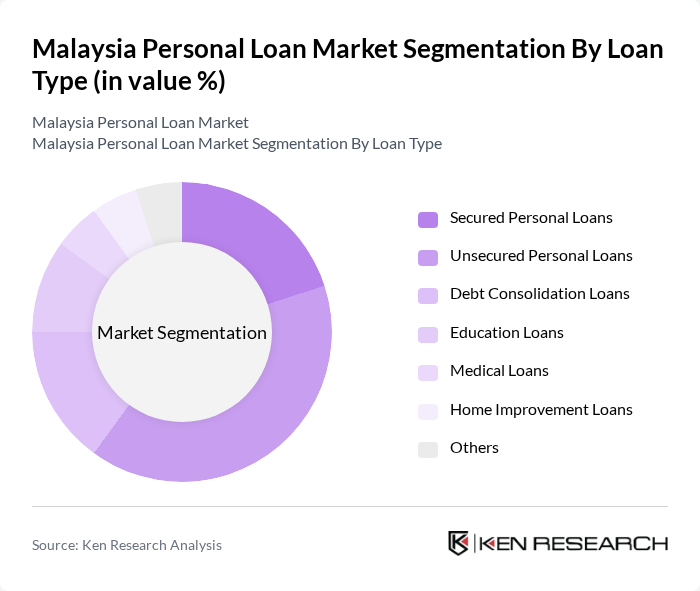
Access to financing has made home upgrades more attainable, with personal loans supporting spending on renovations, furniture, and appliances among Malaysian households10.
Challenges in the Market
Despite strong growth, the market faces challenges such as rising material costs, shortages of skilled labor, and increasing competition among service providers.
Opportunities Ahead
Emerging trends such as smart home technology, eco-friendly solutions, and the expansion of e-commerce platforms are expected to drive future growth and innovation in the industry11.
What This Means for Businesses
Businesses operating in this sector must focus on affordability, embrace digital transformation, and adapt to changing customer preferences to remain competitive.
Final Thoughts
The Malaysia home improvement market size in 2026 reflects a broader shift toward better living standards, personalization, and smarter homes.
With continued growth expected in the coming years, the industry presents strong opportunities for both businesses and consumers as homes become central to modern lifestyles.
Frequently Asked Questions
Question: What is driving the growth of the Malaysia home improvement market?
Answer: Key drivers include urbanization, rising incomes, changing lifestyles, and increased demand for modern and functional living spaces.
Question: Which segments are included in the home improvement market?
Answer: The market includes renovation projects, repair and maintenance services, and new improvement or personalization upgrades.
Question: What are the future trends in this market?
Answer: Future trends include smart home integration, sustainable materials, and the growth of online platforms for home improvement products and services.
Disclaimer: The information is provided for general information only. BridgeProperties makes no representations or warranties in relation to the information, including but not limited to any representation or warranty as to the fitness for any particular purpose of the information to the fullest extent permitted by law. While every effort has been made to ensure that the information provided in this article is accurate, reliable, and complete as of the time of writing, the information provided in this article should not be relied upon to make any financial, investment, real estate or legal decisions. Additionally, the information should not substitute advice from a trained professional who can take into account your personal facts and circumstances, and we accept no liability if you use the information to form decisions.