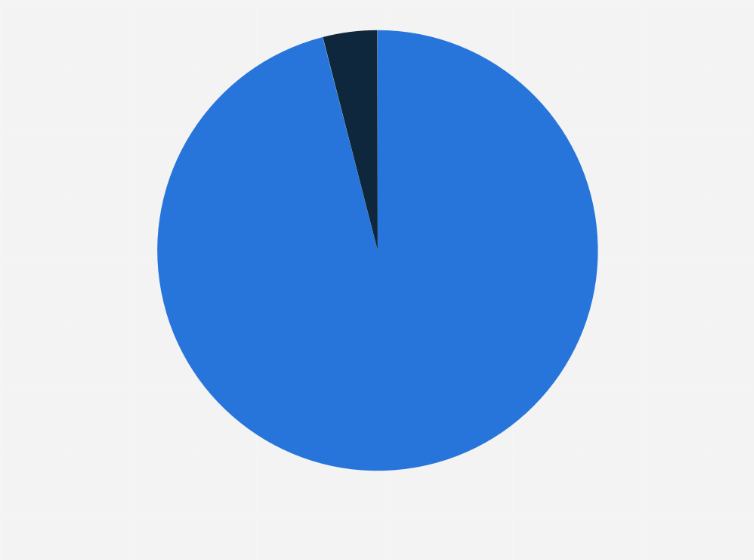
)

Malaysia Home Improvement Market Growth: Why This Booming Industry Is Just Getting Started in 2026
Key Takeaways
- Rapid Market Expansion: The industry has grown steadily and is projected to continue rising through 2030.
- Urban Lifestyle Shift: Smaller living spaces are driving demand for smarter and more efficient home solutions.
- DIY Culture Boom: More Malaysians are embracing do-it-yourself projects for cost savings and personalization.
- Digital Transformation: Online platforms are making home services more accessible than ever.
- Diverse Growth Segments: Renovation, repair, and decor sectors are all contributing to industry expansion.
A Fast-Growing Market With Strong Foundations
The Malaysia home improvement market has experienced consistent growth in recent years, driven by strong consumer demand and evolving lifestyle needs. Market data shows clear expansion between 2019 and 2022, even during uncertain economic periods1.
Looking ahead, the upward trajectory is expected to continue, supported by factors such as urbanization, higher disposable incomes, and shifting consumer preferences toward better living environments2.
In simple terms, more Malaysians are choosing to invest in improving their homes rather than relocating, turning home enhancement into a long-term lifestyle priority3.
What’s Driving Malaysia Home Improvement Market Growth?
Several powerful trends are shaping how Malaysians approach home improvement, turning it into a necessity rather than a luxury.
1. Urban Living Is Changing Priorities
As urban populations grow, living spaces are becoming more compact. This has created a rising demand for efficient layouts, multifunctional furniture, and smart storage solutions that maximize limited space.
Instead of upgrading to larger homes, many individuals are choosing to optimize their existing spaces, making home improvement essential for comfort and practicality.
2. The Rise of DIY Culture
DIY culture has gained strong momentum across Malaysia, with more homeowners taking renovation and decoration into their own hands. Easy access to online tutorials and affordable tools has made this trend more accessible than ever4.
This shift reflects a broader desire for cost savings and creative control, empowering individuals to personalize their living spaces without relying entirely on professionals.
The Mr. DIY Effect: A $5 Billion Success Story
The growth of the home improvement market is closely tied to the rise of major retail players. One standout example is Mr. DIY, which has grown from a single store into a multi-billion-dollar business5.
The brand’s success highlights a major shift in consumer expectations, where affordability, convenience, and product variety play a central role in purchasing decisions6.
Competitive Landscape: Who’s Winning?
The DIY and hardware retail sector is becoming increasingly competitive, with new entrants and growing consumer demand shaping the landscape7.
Despite rising competition, leading players continue to dominate market share, reinforcing their strong positioning within the industry8.
The Digital Shift: On-Demand Home Services
Digital platforms are rapidly transforming how Malaysians approach home improvement. On-demand services now connect homeowners with professionals for repairs, maintenance, and renovations9.
This shift offers flexibility and convenience, allowing users to combine DIY efforts with professional assistance when needed.
Home Decor: More Than Just Looks
Home improvement today goes beyond functionality, with increasing emphasis on aesthetics and personalization. The home decor segment is expected to see sustained growth as consumers invest more in creating comfortable and visually appealing environments10.
This trend reflects changing lifestyles, where homes serve as living, working, and social spaces all at once.
Supply Chain Innovation: A Strategic Advantage
Behind the scenes, companies are enhancing their supply chains to improve product availability and efficiency. Strategic integrations and partnerships are helping businesses expand their offerings and strengthen market reach11.
Visualizing the Growth
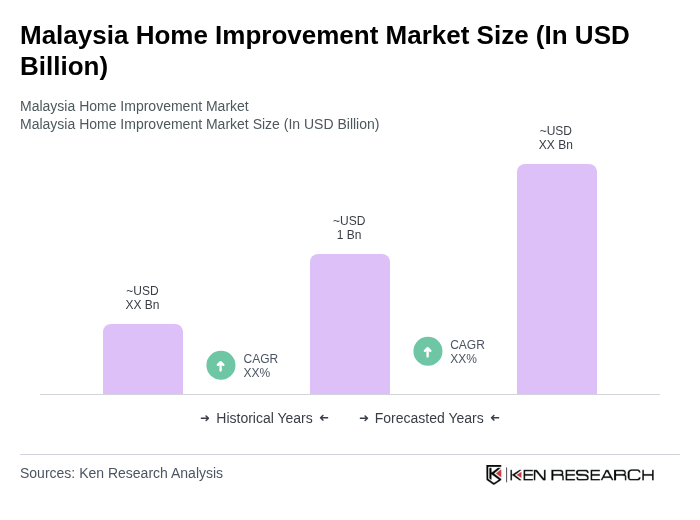
Market segmentation across renovation, repair, and home decor categories highlighting industry expansion trends
The market’s expansion is not limited to a single segment. Growth is occurring across renovations, repairs, and decor, showing a well-rounded and resilient industry structure.
Consumer Behavior Is Changing Fast
Consumer expectations are evolving rapidly, with increasing focus on affordability, convenience, and trust in brands12.
These behavioral shifts are shaping how companies design products, deliver services, and engage with their customers.
Challenges to Watch
Despite strong growth, the industry faces several challenges that could impact its trajectory. Increasing competition is putting pressure on pricing and margins, while global supply chain disruptions continue to affect product availability.
At the same time, rising consumer expectations demand faster delivery, better quality, and competitive pricing, pushing businesses to continuously innovate.
What This Means for the Future
The future of Malaysia’s home improvement market looks promising, with technology playing a bigger role in shaping the industry.
Trends such as smart home integration, AI-driven design tools, and seamless online-to-offline experiences are expected to define the next phase of growth.
Final Thoughts
The Malaysia home improvement market is entering a dynamic phase of transformation. Driven by urbanization, digital innovation, and changing lifestyles, the industry is evolving into a major economic force.
As consumers continue to invest in their living spaces, businesses must adapt quickly to remain competitive. The shift from basic maintenance to full-scale home transformation signals a long-term opportunity across multiple sectors.
Frequently Asked Questions
Question: What is driving the growth of Malaysia’s home improvement market?
Answer: The growth is driven by urbanization, rising incomes, increased interest in DIY projects, and the expansion of digital home service platforms.
Question: Why is DIY becoming popular in Malaysia?
Answer: DIY is জনপ্র জনপ্র because it helps save costs, allows personalization, and is supported by easy access to online tutorials and affordable tools.
Question: What trends will shape the future of this market?
Answer: Key trends include smart home technology, AI-powered design solutions, and stronger integration between online and offline home improvement services.
Disclaimer: The information is provided for general information only. BridgeProperties makes no representations or warranties in relation to the information, including but not limited to any representation or warranty as to the fitness for any particular purpose of the information to the fullest extent permitted by law. While every effort has been made to ensure that the information provided in this article is accurate, reliable, and complete as of the time of writing, the information provided in this article should not be relied upon to make any financial, investment, real estate or legal decisions. Additionally, the information should not substitute advice from a trained professional who can take into account your personal facts and circumstances, and we accept no liability if you use the information to form decisions.