)
.webp)
Shariah-compliant Home Financing: A Complete Guide for Homebuyers in 2026
Key Takeaways
- Interest-Free Financing: Shariah-compliant financing avoids riba and uses asset-backed structures.
- Different Structures: Common models include Murabahah, Tawarruq, and Bai Bithaman Ajil.
- Growing Demand: Ethical finance and global expansion are driving popularity in 2026.
- Compliance Matters: Not all products strictly meet Shariah standards, requiring careful evaluation.
- Future Trends: Innovation, regulation, and digital access are shaping the industry.
What Is Shariah-compliant Home Financing?
In 2026, Shariah-compliant home financing is gaining global attention as more people seek ethical and faith-based financial solutions. Unlike conventional mortgages, this system strictly avoids interest and instead uses trade-based or partnership-based contracts tied to real assets1.
These structures ensure fairness, transparency, and shared responsibility between buyers and financial institutions, making Islamic home financing a viable mainstream alternative rather than a niche option.
How Does It Work? Simple Structures Explained
Islamic home financing may sound complex, but its core structures are relatively straightforward and designed around real transactions rather than loans.
Murabahah involves the bank purchasing a property and selling it to the buyer at a profit, which is repaid in installments2.
Tawarruq enables buyers to access funds through a sequence of commodity trades, though concerns exist when execution lacks proper compliance.
Bai Bithaman Ajil allows deferred payments at a fixed price, structured without interest elements3.
Why Shariah-compliant Home Financing Is Trending in 2026
One major driver is the rise of ethical finance, where consumers increasingly prioritize transparency and fairness in financial dealings. These values are central to Islamic finance principles4.
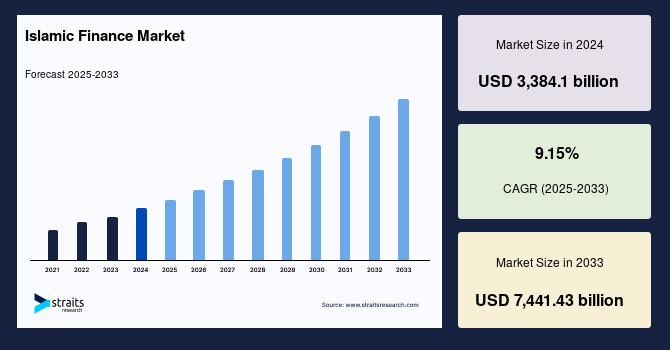
Another factor is rapid global market growth, with increasing adoption across regions fueled by demographic trends and supportive policies5.
Additionally, financial institutions are offering more accessible and user-friendly Islamic home financing products tailored to modern buyers6.
The Challenge: Staying Truly Shariah-compliant
As demand increases, concerns about authenticity and compliance are becoming more prominent. Some financing structures may unintentionally generate non-compliant income if not properly managed7.
Calls for Reform
)
Discussion on governance, trust, and ethical standards in Islamic home financing systems
Industry discussions emphasize the need for stronger governance frameworks to maintain trust and ensure fairness as the sector expands globally8.
What Do Consumers Think?
Consumer perception plays a crucial role in adoption. Many buyers show interest in Shariah-compliant financing but often face confusion about how these products function9.
Clear communication and simplified product structures are essential to building confidence and encouraging wider adoption.
Comparing Islamic vs Conventional Mortgages
Conventional mortgages rely on interest-based lending where the borrower carries most of the financial risk. In contrast, Shariah-compliant financing is based on trade or partnership, avoids interest, and involves shared risk backed by tangible assets.
Real-World Example: Malaysia Leading the Way
Malaysia stands out as a global leader in Islamic finance, offering a mature ecosystem with strong regulations, diverse products, and high adoption rates. Its continuous innovation demonstrates how Shariah-compliant financing can operate effectively at scale.
Benefits of Shariah-compliant Home Financing
- Ethical and Transparent: Clear agreements without hidden interest.
- Faith Alignment: Meets religious requirements for Muslim buyers.
- Asset-backed Security: Financing tied to real property.
- Growing Innovation: Increasingly competitive and flexible solutions.
Challenges to Be Aware Of
- Complexity: Some financing structures can be difficult to understand.
- Pricing Concerns: Costs may resemble conventional loans.
- Compliance Risks: Not all products fully meet strict standards.
- Limited Awareness: Many buyers lack clear understanding.
The Future of Shariah-compliant Home Financing
The future of Shariah-compliant home financing is shaped by stronger regulations, simplified products, digital accessibility, and global expansion. As the industry evolves, the emphasis will shift toward authenticity and alignment with core ethical values.
Final Thoughts
Shariah-compliant home financing represents more than an alternative to conventional mortgages—it reflects a distinct philosophy centered on ethics, fairness, and shared responsibility.
As awareness grows and systems improve, it is positioned to become a major force in the global housing market, offering buyers a way to finance homes while staying aligned with their values.
Frequently Asked Questions
Question: What makes Shariah-compliant financing different from conventional mortgages?
Answer: It avoids interest and instead uses asset-backed or partnership-based structures where risk is shared between the buyer and the financial institution.
Question: Is Shariah-compliant home financing only for Muslims?
Answer: No, it is open to anyone interested in ethical and transparent financing, regardless of religious background.
Question: Are all Islamic financing products fully compliant?
Answer: Not always, which is why buyers should carefully review structures and choose reputable providers.
Disclaimer: The information is provided for general information only. BridgeProperties makes no representations or warranties in relation to the information, including but not limited to any representation or warranty as to the fitness for any particular purpose of the information to the fullest extent permitted by law. While every effort has been made to ensure that the information provided in this article is accurate, reliable, and complete as of the time of writing, the information provided in this article should not be relied upon to make any financial, investment, real estate or legal decisions. Additionally, the information should not substitute advice from a trained professional who can take into account your personal facts and circumstances, and we accept no liability if you use the information to form decisions.