)
.webp)
International Student Housing Demand: Why Malaysia Is at the Center of a Global Shift
Key Takeaways
- Rising Demand: International student housing demand in Malaysia is rapidly increasing due to global mobility and education trends.
- Shift to Off-Campus Living: Students are increasingly choosing private housing for affordability, flexibility, and better amenities.
- Policy Challenges: Gaps in housing policies and supply constraints are intensifying rental pressures in urban areas.
- Investment Potential: Student housing is emerging as a resilient and high-demand real estate sector.
- Future Growth: Malaysia is poised to become a major global education hub with evolving housing needs.
Malaysia’s Rise as a Global Education Hub
Malaysia has been steadily building its reputation as a leading destination for higher education, attracting both local and international students through affordable tuition, English-language programs, and global partnerships. As student numbers grow, the demand for housing near universities continues to intensify, placing pressure on surrounding urban areas1.
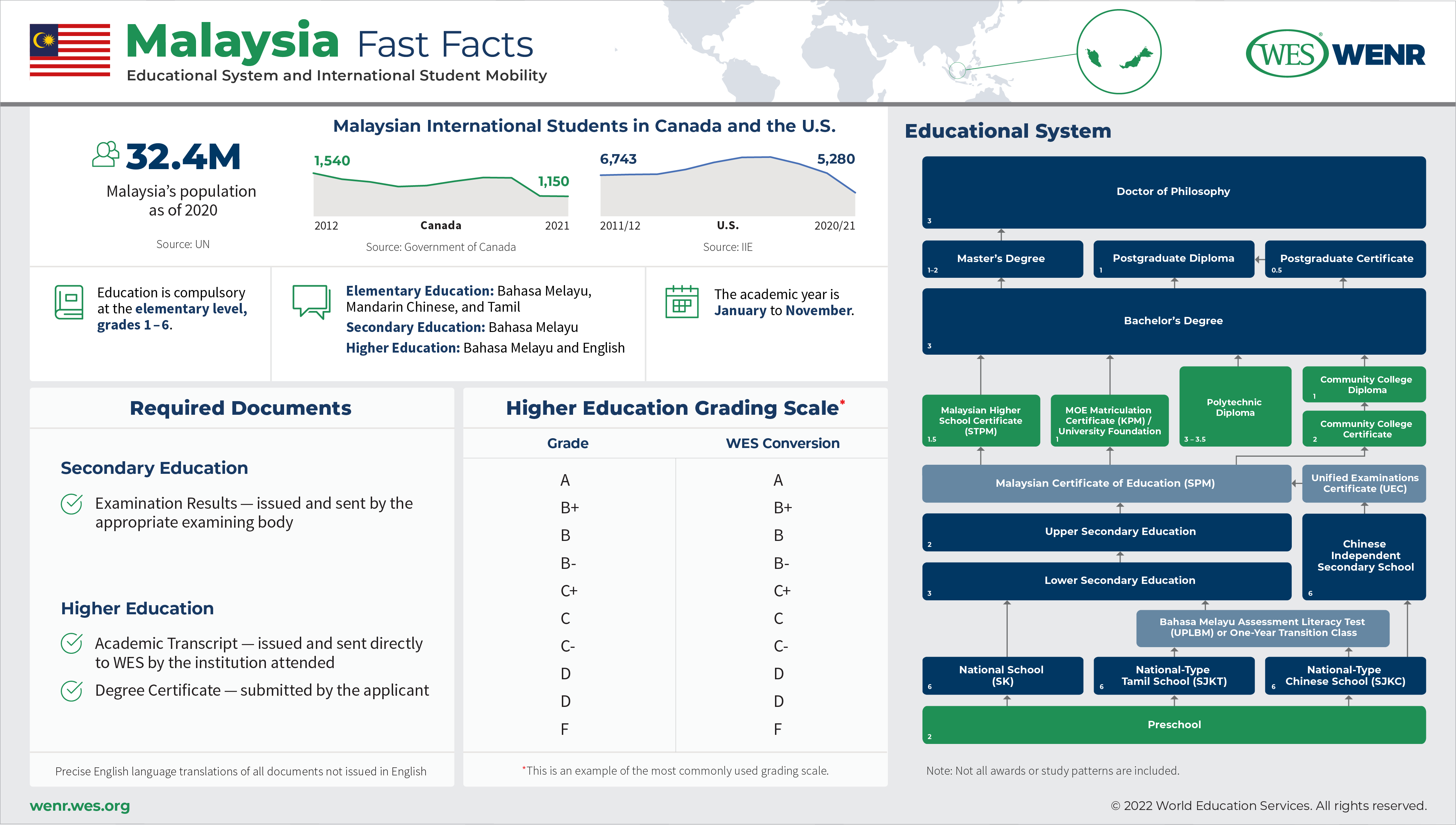
Overview of Malaysia’s structured and expanding education system attracting diverse student populations
As the number of students rises, housing demand is shaped primarily by affordability, quality, and proximity to campuses. When large student intakes occur, these basic factors quickly translate into complex market pressures across major university cities2.
This upward trend aligns with broader global mobility patterns, where students and families relocate internationally for education and work, further amplifying housing demand in key destinations3.
Why Students Are Moving Off-Campus
Student preferences have shifted significantly in recent years, with more choosing off-campus housing over traditional dormitories. Limited availability, lifestyle flexibility, and access to better amenities are driving this change, especially in urban education hubs.
Affordability remains a key factor, as students compare cost against living conditions and often find better value in shared apartments or private rentals near campuses4.
Accessibility also plays a major role, with students prioritizing locations close to universities, transport, and daily essentials. This creates concentrated demand in specific neighborhoods and contributes to localized rental pressure.
International Students Are Changing the Game
International students introduce a unique dynamic to housing demand. Many arrive without local networks and require immediate accommodation, often preferring furnished units and flexible rental options aligned with academic timelines5.
Admissions processes are highly structured, meaning housing demand spikes within short timeframes. This leads to seasonal surges, increased demand for short-term rentals, and rapid saturation of areas surrounding major universities6.
The Rental Pressure Problem
As demand grows, rental prices in university cities are rising, leading to concerns about affordability. While international students are often blamed for this trend, research suggests the issue is far more complex and rooted in structural challenges within the housing market7.
Factors such as limited housing supply, slow development, and urban population growth play a larger role in driving rental increases than student demand alone. Misinterpreting the cause can result in ineffective policies and misplaced restrictions.
Policy Gaps Are Making Things Worse
Government policy plays a crucial role in balancing housing supply and demand. However, delays and lack of clear direction have contributed to ongoing shortages, leaving developers, universities, and students navigating uncertainty8.
Without coordinated planning, housing markets struggle to keep pace with rapid education sector growth, resulting in price volatility and limited availability in high-demand areas.
A Hidden Investment Opportunity
Despite these challenges, student housing presents a strong opportunity for investors. The sector benefits from consistent demand, predictable occupancy cycles, and resilience during economic downturns9.
As international student numbers grow, the need for well-designed, purpose-built accommodation continues to expand, creating long-term potential for developers and property investors.
Market Forecast: What 2026 Tells Us
Future projections indicate continued growth in Malaysia’s student population and rising demand for purpose-built student accommodation. The market is gradually shifting toward more structured and professionally managed housing solutions10.
Students increasingly expect integrated living environments that combine convenience, safety, and community, reflecting broader changes in lifestyle preferences.
Lessons from Australia
International comparisons show that rapid student growth can strain housing systems if not properly managed. Australia’s experience highlights the risks of inadequate planning and the importance of aligning education and housing policies11.
Malaysia has the opportunity to apply these lessons early, ensuring sustainable growth while maintaining affordability and accessibility for students.
What This Means for Students, Universities, and Investors
For students, housing is becoming more competitive, requiring earlier planning and greater flexibility in location and living arrangements.
Universities are increasingly expected to support housing solutions, either through on-campus expansion or partnerships with private developers.
For investors, the growing demand presents a clear opportunity, particularly in well-located, fully furnished, and community-oriented developments.
Final Thoughts
International Student Housing Demand is reshaping Malaysia’s urban and education landscape. As the country continues to attract global talent, the ability to manage housing supply effectively will determine its long-term success as a leading education hub.
Balancing policy, development, and investment will be key to turning this rising demand into a sustainable advantage for the future.
Frequently Asked Questions
Question: Why is student housing demand increasing in Malaysia?
Answer: The increase is driven by rising international student numbers, affordable education, and Malaysia’s growing reputation as a global study destination.
Question: Why are students choosing off-campus housing?
Answer: Students prefer off-campus housing due to greater flexibility, better amenities, shared living options, and sometimes lower overall costs.
Question: Is student housing a good investment opportunity?
Answer: Yes, it offers consistent demand, stable occupancy rates, and long-term growth potential, especially near major universities.
Disclaimer: The information is provided for general information only. BridgeProperties makes no representations or warranties in relation to the information, including but not limited to any representation or warranty as to the fitness for any particular purpose of the information to the fullest extent permitted by law. While every effort has been made to ensure that the information provided in this article is accurate, reliable, and complete as of the time of writing, the information provided in this article should not be relied upon to make any financial, investment, real estate or legal decisions. Additionally, the information should not substitute advice from a trained professional who can take into account your personal facts and circumstances, and we accept no liability if you use the information to form decisions.
