)
.webp)
Legal Requirements Malaysia: What You Need to Know in 2026
Key Takeaways
- Global Legal Alignment: Malaysia is strengthening international cooperation, making cross-border business easier.
- Strong Business Framework: Commercial laws provide stability and trust for investors and entrepreneurs.
- Data Protection Focus: Cybersecurity and data regulations are becoming central to digital growth.
- Social Legal Evolution: Legal systems are adapting to identity, inclusion, and real-life challenges.
- Healthcare Regulation Growth: Innovation in medicine is driving more complex legal oversight.
Understanding Legal Requirements Malaysia in 2026
Legal Requirements Malaysia is becoming one of the most searched topics in 2026 as the country rapidly evolves across trade, technology, and healthcare sectors. Whether for business, travel, or long-term relocation, understanding the legal environment is now essential for navigating opportunities and avoiding risks.
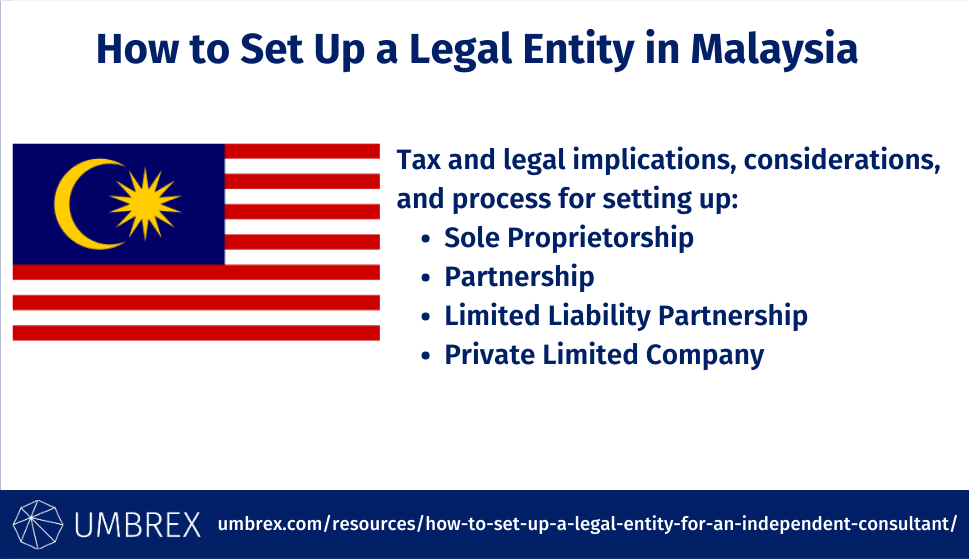
Structured business registration processes and regulatory frameworks supporting company formation in Malaysia
This transformation reflects a broader shift where legal systems are no longer just administrative tools but active drivers of economic growth, innovation, and social development.
A New Era of Trade and Legal Alignment
One of the most significant developments shaping Legal Requirements Malaysia in 2026 is its growing alignment with global trade partners. A recent agreement with the United States has improved regulatory cooperation and reduced barriers for cross-border businesses, creating smoother compliance processes and encouraging international expansion1.
This alignment goes beyond trade—it standardizes legal expectations, allowing companies to operate with greater certainty and efficiency. As a result, Malaysia is increasingly seen as a reliable hub for global business operations.
Business and Commercial Law: The Backbone of Growth
Malaysia’s economic strength is supported by its well-established business and commercial laws, which define how contracts are enforced, disputes are resolved, and companies operate daily. These frameworks reduce uncertainty and create a predictable environment for both local and international businesses2.
As industries evolve, Malaysia continues refining these laws to support digital services, consulting businesses, and startups. Establishing a legal entity remains a critical step for entrepreneurs, ensuring compliance while enabling structured and scalable operations3.
Cybersecurity Laws: Protecting the Digital Economy
With rapid digitalization, cybersecurity laws in Malaysia have become increasingly important. Businesses are required to safeguard user data, prevent breaches, and maintain secure systems to avoid legal consequences4.
This is especially relevant for industries like fintech, AI, and e-commerce, where data plays a central role. Strong cybersecurity frameworks not only protect users but also build trust in digital platforms.
Data Protection and Cross-Border Data Rules
Malaysia has implemented comprehensive data protection laws that regulate how personal information is collected, stored, and processed. These regulations ensure accountability and transparency in handling sensitive data5.
Additionally, new cross-border data transfer rules allow businesses to move data internationally while maintaining privacy protections. This enables global operations without compromising user rights6.
Personal Legal Matters: Marriage and Identity
Legal Requirements Malaysia also impact everyday life, including marriage and identity documentation. Legal support systems help individuals navigate cross-border marriages and ensure compliance with local requirements7.
However, challenges remain. Some individuals, particularly children, still face barriers in obtaining legal identity and accessing education, highlighting the need for continued legal reforms and inclusive policies8.
Travel Laws and Safety Guidelines
Travelers to Malaysia must also be aware of local laws and regulations. Official advisories provide essential information on safety, legal restrictions, and acceptable conduct, helping visitors avoid legal complications during their stay9.
Understanding these legal expectations ensures a smoother and more secure travel experience.
Healthcare Innovation Meets Legal Complexity
Malaysia’s healthcare sector is advancing rapidly with innovations like gene therapy and precision medicine. These developments require strict legal oversight to ensure safety, ethical compliance, and proper handling of sensitive patient data10.
The complexity of these technologies also introduces new regulatory challenges, requiring updated frameworks to balance innovation with public protection11.
The Bigger Picture: A Connected Legal Ecosystem
Malaysia’s legal system in 2026 operates as an interconnected ecosystem supporting trade, digital security, personal rights, and healthcare innovation. Each component reinforces the others, creating a stable yet flexible legal environment.
- Trade agreements support business expansion
- Commercial laws ensure operational stability
- Cybersecurity laws protect digital interactions
- Social laws address identity and inclusion
- Healthcare regulations guide emerging technologies
Why Legal Requirements Malaysia Matter More Than Ever
In a globalized world, legal systems influence everything from business operations to personal mobility. Malaysia’s efforts to modernize its legal frameworks position it as a competitive and trustworthy destination for investment and innovation.
By strengthening regulations across sectors, the country is building a foundation that supports both economic growth and social responsibility.
Final Thoughts
Legal Requirements Malaysia in 2026 reflect a nation adapting to global change while maintaining a strong commitment to structure and fairness. From trade agreements to healthcare regulations, the legal system continues to evolve alongside technological and societal shifts.
Understanding these changes is essential for anyone looking to engage with Malaysia—whether for business, travel, or long-term opportunities.
Frequently Asked Questions
Question: What are the most important legal requirements for businesses in Malaysia?
Answer: Businesses must comply with company registration laws, taxation rules, contract regulations, and data protection requirements to operate legally and efficiently.
Question: Are Malaysia’s data protection laws strict?
Answer: Yes, Malaysia has established regulations that require businesses to handle personal data responsibly, ensuring privacy and security.
Question: Do travelers need to understand local laws before visiting Malaysia?
Answer: Yes, being aware of local laws and regulations helps travelers avoid legal issues and ensures a smooth and safe experience.
Disclaimer: The information is provided for general information only. BridgeProperties makes no representations or warranties in relation to the information, including but not limited to any representation or warranty as to the fitness for any particular purpose of the information to the fullest extent permitted by law. While every effort has been made to ensure that the information provided in this article is accurate, reliable, and complete as of the time of writing, the information provided in this article should not be relied upon to make any financial, investment, real estate or legal decisions. Additionally, the information should not substitute advice from a trained professional who can take into account your personal facts and circumstances, and we accept no liability if you use the information to form decisions.

