)
.webp)
AI-driven Property Intelligence: How Malaysia Is Rewriting the Future of Real Estate in 2026
Key Takeaways
- AI-Powered Decision Making: Real estate decisions are becoming faster and more accurate through predictive analytics and large-scale data processing.
- Smarter Property Valuation: AI integrates sentiment analysis and market trends to create dynamic and real-time property pricing.
- Efficient Property Management: Automation and predictive maintenance are transforming how buildings are managed.
- Sustainable Development: AI-driven systems improve energy efficiency and reduce environmental impact in modern buildings.
- Future-Ready Ecosystem: Malaysia is positioning itself as a leader in AI-powered real estate innovation.
The Rise of AI-driven Property Intelligence in Malaysia
AI-driven Property Intelligence is no longer a futuristic idea—it is actively reshaping how real estate works in Malaysia in 2026. From predicting property prices to managing buildings and improving construction quality, artificial intelligence is becoming the backbone of a smarter, faster, and more sustainable property ecosystem.
Malaysia is quickly emerging as a leader in AI-powered real estate innovation, with major initiatives leveraging advanced analytics to provide deep insights into the property market. These platforms enable stakeholders to make smarter decisions using predictive insights, market trends, and data-driven forecasts1.
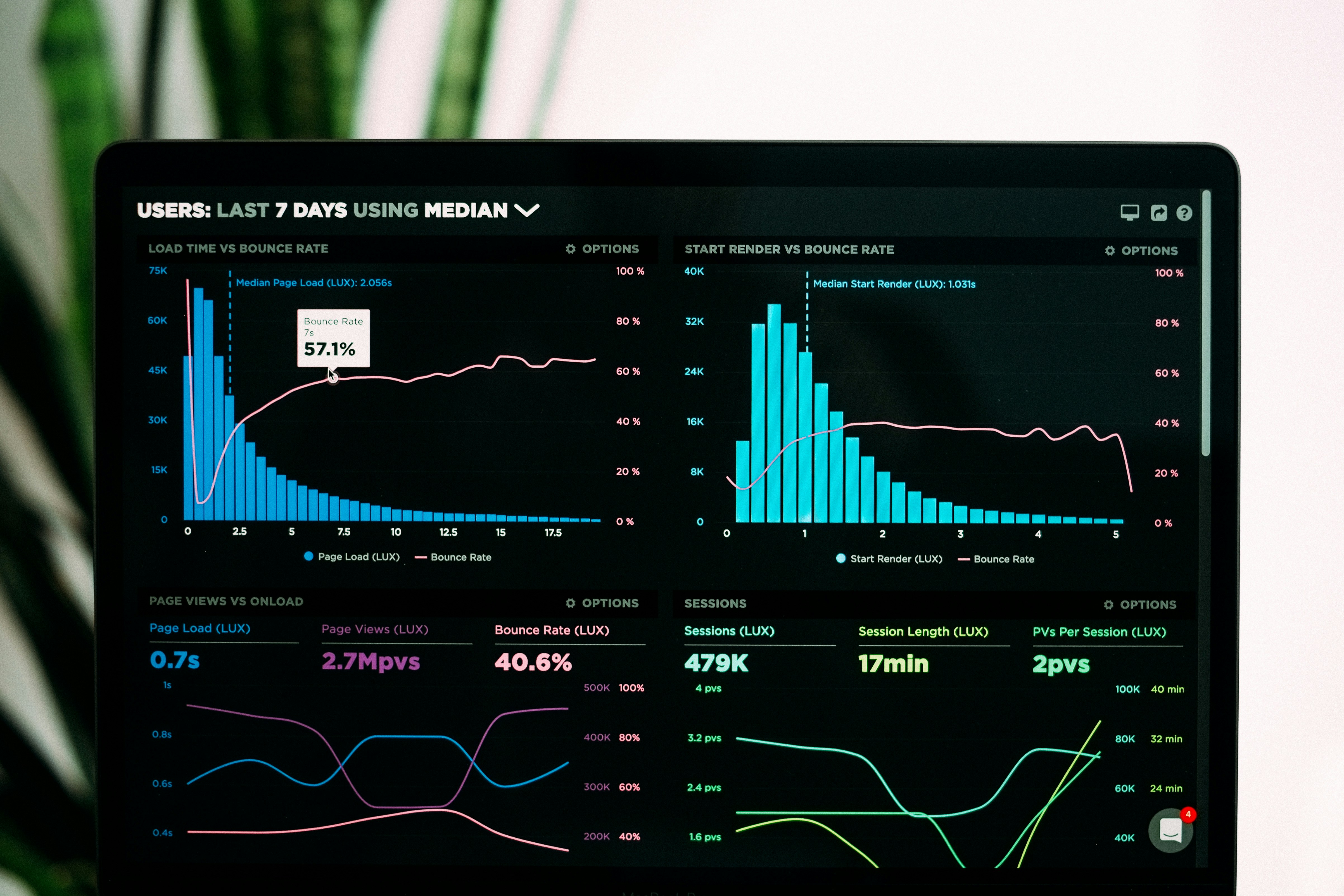
Digital dashboards displaying real-time analytics and data visualization in modern property intelligence systems
Traditionally, property decisions relied heavily on historical data and human judgment. Today, AI processes massive datasets in seconds, identifying patterns and opportunities that would otherwise go unnoticed. The result is faster decision-making, reduced risk, and improved investment outcomes.
Smarter Property Valuation with AI
Property valuation is one of the most complex aspects of real estate, and AI is transforming it into a more precise and dynamic process. Instead of relying solely on past transactions, AI models now analyze market trends, buyer behavior, economic signals, and even public sentiment.
Advanced sentiment analysis powered by natural language processing allows systems to interpret opinions from news, reviews, and social media, adding a deeper layer of insight into property valuation2.
This evolution means property prices are no longer static figures—they reflect real-time emotions, expectations, and market dynamics. AI-driven insights are enabling investors and buyers to make more informed and strategic decisions.
Transforming Property Management with AI
Managing properties has traditionally been labor-intensive, involving administrative tasks, maintenance coordination, and tenant communication. AI is streamlining these processes by automating operations and improving efficiency.
AI systems can analyze transactional and behavioral data to support decision-making, predict maintenance issues, and enhance tenant experiences while optimizing rental pricing3.
Additionally, integrated solutions are improving operational productivity and customer service, making buildings smarter and easier to manage4.
AI in Property Insurance: Smarter Risk, Faster Decisions
Insurance plays a crucial role in real estate, and AI is making it more efficient and responsive. Through advanced analytics, insurers can assess risks more accurately, speed up underwriting processes, and offer personalized coverage plans.
These capabilities allow insurers to quickly adapt to changing market conditions and physical risks, improving both response time and reliability5.
Building Smarter, Greener Properties with AI
Sustainability is becoming a central focus in real estate, and AI-driven systems are helping buildings operate more efficiently. By monitoring and controlling energy usage in real time, AI reduces waste and lowers carbon emissions.
Energy management systems powered by AI significantly improve efficiency while minimizing environmental impact, making properties both eco-friendly and cost-effective6.
Optimizing Land Value and Urban Development
AI is also reshaping urban development by enabling smarter land use and planning. Through predictive modeling and real-time analytics, stakeholders can identify high-potential areas and optimize development strategies.
This approach enhances economic returns while supporting long-term sustainability and better urban infrastructure7.
AI in Construction: Stronger, Safer Buildings
AI is improving construction quality by analyzing building materials and predicting their durability and performance. This leads to stronger, safer, and longer-lasting structures.
By assessing material properties and structural integrity, AI enhances safety standards and construction efficiency, particularly in large-scale developments8.
The Role of Policy and Regulation in AI Growth
Malaysia’s government is actively supporting AI adoption through policy frameworks and national strategies. These efforts ensure that innovation is balanced with ethical considerations and legal safeguards.
AI is increasingly recognized as a key driver of the country’s digital economy, reinforcing its importance across industries including real estate9.
What This Means for Investors, Developers, and Buyers
The impact of AI-driven Property Intelligence extends across the entire real estate ecosystem.
- For Investors: Better data enables smarter decisions and reduces investment risk.
- For Developers: AI improves design, planning, and construction efficiency.
- For Buyers and Tenants: Transparent pricing and smarter living environments enhance overall experience.
Challenges to Watch
Despite its advantages, AI adoption comes with challenges that need careful consideration.
- Data Privacy: Protecting sensitive user and property data remains critical.
- Implementation Costs: High initial investment may limit adoption for smaller players.
- Talent Gap: Skilled professionals are needed to manage AI systems effectively.
- System Integration: Existing infrastructure must adapt to new technologies.
The Future of AI-driven Property Intelligence
The future of real estate in Malaysia is increasingly driven by AI innovation. From fully automated property management systems to hyper-personalized recommendations and smart cities powered by connected data, the possibilities continue to expand.
As AI integrates with technologies like IoT and digital twins, the property sector will become even more intelligent, efficient, and responsive to user needs.
Final Thoughts
AI-driven Property Intelligence is transforming Malaysia’s real estate sector in ways that were once unimaginable. From smarter valuations to sustainable buildings and improved urban planning, AI is redefining every stage of the property lifecycle.
In 2026, real estate is no longer just about location—it is about data, intelligence, and the ability to anticipate what comes next. With continued innovation and support, Malaysia is well on its way to becoming a global leader in AI-powered real estate.
Frequently Asked Questions
Question: What is AI-driven Property Intelligence?
Answer: It refers to the use of artificial intelligence and data analytics to improve decision-making, valuation, management, and development within the real estate sector.
Question: How does AI improve property valuation?
Answer: AI analyzes market trends, economic indicators, and public sentiment to provide more accurate and dynamic property pricing.
Question: Is AI important for the future of real estate in Malaysia?
Answer: Yes, AI is becoming a key driver of innovation, enabling smarter investments, sustainable developments, and more efficient property management.
Disclaimer: The information is provided for general information only. BridgeProperties makes no representations or warranties in relation to the information, including but not limited to any representation or warranty as to the fitness for any particular purpose of the information to the fullest extent permitted by law. While every effort has been made to ensure that the information provided in this article is accurate, reliable, and complete as of the time of writing, the information provided in this article should not be relied upon to make any financial, investment, real estate or legal decisions. Additionally, the information should not substitute advice from a trained professional who can take into account your personal facts and circumstances, and we accept no liability if you use the information to form decisions.
