)
.webp)
Malaysia Home Improvement Market Size: A Deep Dive Into the Booming Industry in 2026
Key Takeaways
- Rapid Market Growth: Increasing homeownership and income levels are driving steady expansion.
- Shift in Lifestyle: Homes are evolving into multifunctional spaces, boosting renovation demand.
- DIY Expansion: Affordable tools and retail accessibility are encouraging self-managed improvements.
- Digital Disruption: On-demand platforms are transforming service delivery in the industry.
- Future Trends: Smart homes, sustainability, and personalization are shaping long-term growth.
A Market on the Rise
The Malaysia home improvement market size is growing fast—and it’s not just a passing trend. Across the country, more people are investing in their homes, upgrading spaces, and improving overall living conditions as part of a broader lifestyle shift1.
The numbers tell a clear story: the market has shown consistent growth over recent years, supported by rising homeownership rates and a growing middle class with stronger purchasing power2.
As more Malaysians buy homes, they naturally invest in renovations, repairs, and décor. This trend reflects a deeper shift toward creating more comfortable and functional living spaces rather than simply maintaining properties.
Long-Term Growth Projections
The growth trajectory of the market remains strong, with projections extending well into 2030. Increasing segmentation across renovation, maintenance, and interior upgrades highlights how the market is evolving into a continuous cycle of improvement rather than a one-time activity3.
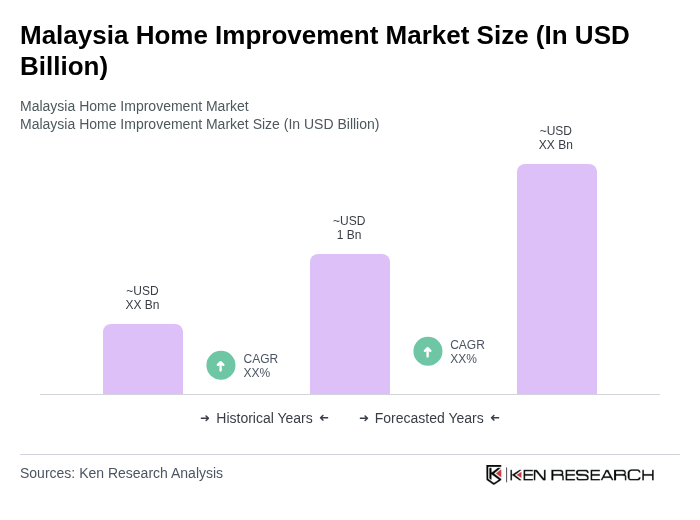
Market growth patterns and segmentation across renovation, maintenance, and interior improvement categories
This segmentation demonstrates that consumers are increasingly treating home upgrades as an ongoing process, adapting their spaces over time to meet changing needs.
Lifestyle Changes Are Fueling Demand
One of the biggest drivers of growth is the shift in how people use their homes. Modern homes now serve as workspaces, relaxation zones, and social hubs, increasing demand for both functional and aesthetic upgrades4.
At the same time, demand for practical home products is also rising as consumers look for everyday solutions that enhance convenience and comfort5.
In simple terms, homeowners are prioritizing spaces that are both visually appealing and highly functional.
The Rise of DIY Culture
The rise of DIY culture is another major factor shaping the Malaysia home improvement market size. More homeowners are taking on small projects themselves, driven by affordability, accessibility, and a sense of personal satisfaction.
Retailers have adapted by offering user-friendly tools and affordable materials, making it easier for individuals to handle minor repairs and upgrades without professional help.
MR.DIY: The Retail Giant Leading the Charge
MR.DIY has emerged as a dominant force in Malaysia’s home improvement retail space by offering a wide range of products at competitive prices6.
Its rapid expansion from a single store into a multi-billion-dollar business highlights strong consumer demand and effective pricing strategies7.
However, customer feedback varies, with some praising affordability while others raise concerns about product quality8.
This reflects a broader trend where growing markets also bring higher consumer expectations.
Digital Transformation: The Rise of On-Demand Services
Digital platforms are reshaping how home improvement services are delivered. Online booking systems now connect homeowners with service providers quickly and efficiently, improving convenience and transparency9.
This shift reduces the need for manual searches and allows users to schedule services with ease, transforming the traditional contractor-client relationship.
The Role of Retail: Online Meets Offline
Malaysia’s retail landscape is evolving into a hybrid model that blends physical and digital shopping experiences. Consumers now expect both in-store interaction and online convenience when purchasing home improvement products10.
This approach allows customers to inspect products physically while also benefiting from wider online selections and delivery services.
Financing: How Malaysians Fund Home Improvements
Financing plays a critical role in enabling home improvement projects. Many homeowners rely on loans and credit facilities to fund renovations and upgrades, making larger projects more accessible11.
This financial support helps transform renovation plans into reality, especially for more extensive home upgrades.
Key Trends Shaping the Future
Looking ahead, the market is being shaped by several important trends, including the adoption of smart home technologies, growing interest in sustainability, and increased demand for personalized living spaces.
Urbanization is also driving demand for space-saving solutions and multifunctional designs, particularly in smaller homes.
Challenges in the Market
Despite strong growth, the industry faces challenges such as rising material costs, inconsistent product quality, labor shortages, and increasing competition among service providers.
Opportunities for Businesses
The expanding Malaysia home improvement market size presents opportunities for businesses to innovate through digital platforms, niche services, and improved customer experiences.
What This Means for Homeowners
For homeowners, this growth translates into better access to products, services, and financing options, making it easier to upgrade and personalize living spaces.
Final Thoughts
The Malaysia home improvement market size in 2026 reflects changing lifestyles and evolving consumer expectations. With continued innovation and strong demand, the industry is set to grow even further in the coming years.
For homeowners, businesses, and investors alike, the transformation of this market signals long-term opportunity and sustained expansion.
Frequently Asked Questions
Question: What is driving the growth of the Malaysia home improvement market?
Answer: Growth is driven by rising homeownership, higher disposable incomes, and changing lifestyles that prioritize comfort and functionality.
Question: Why is DIY becoming popular in Malaysia?
Answer: DIY is gaining popularity because it is cost-effective, accessible, and allows homeowners to personalize their spaces independently.
Question: What are the future trends in the home improvement market?
Answer: Key trends include smart home integration, sustainable materials, personalized interiors, and solutions for smaller living spaces.
Disclaimer: The information is provided for general information only. BridgeProperties makes no representations or warranties in relation to the information, including but not limited to any representation or warranty as to the fitness for any particular purpose of the information to the fullest extent permitted by law. While every effort has been made to ensure that the information provided in this article is accurate, reliable, and complete as of the time of writing, the information provided in this article should not be relied upon to make any financial, investment, real estate or legal decisions. Additionally, the information should not substitute advice from a trained professional who can take into account your personal facts and circumstances, and we accept no liability if you use the information to form decisions.