)
.webp)
Legal Compliance for Property-Related Businesses in Malaysia: What You Need to Know in 2026
Key Takeaways
- Compliance is Strategic: Legal compliance is now central to business success, not just a regulatory requirement.
- Global Influence: International agreements and trade expectations are shaping Malaysia’s property regulations.
- Operational Discipline: Compliance extends beyond setup into daily property management and operations.
- Cultural Considerations: Sharīʿah law and Islamic finance play a significant role in structuring property deals.
- Technology Impact: Data protection and digital compliance are becoming critical for proptech and real estate platforms.
Introduction to Legal Compliance in Malaysia’s Property Sector
)
Urban skyline representing regulated property development and modern real estate infrastructure in Malaysia
Legal compliance for property-related businesses in Malaysia is quickly becoming one of the most important considerations for investors, developers, and proptech founders in 2026. As global trade evolves and regulatory frameworks tighten, the market is no longer driven solely by location and pricing, but by structure, governance, and long-term operational discipline.
This transformation reflects a broader convergence of international agreements, domestic regulations, cultural expectations, and emerging digital rules. For businesses operating in real estate, understanding and adapting to this environment is no longer optional—it is essential for sustainability and growth.
The Big Picture: Why Compliance Is Now Central
Malaysia continues to attract investors due to its strategic ASEAN position and business-friendly ecosystem, but compliance expectations are evolving rapidly. International agreements are influencing transparency standards, cross-border investment rules, and regulatory alignment, shaping how property deals are structured and managed1.
At the same time, businesses must navigate ongoing challenges such as licensing requirements, foreign ownership restrictions, and regulatory inconsistencies that can impact project timelines and investment strategies2.
Understanding Malaysia’s Regulatory Foundation
Operating legally in Malaysia’s property sector requires navigating a layered and structured regulatory system. Benchmark insights show that while Malaysia performs well globally in areas like contract enforcement and business setup, compliance still demands careful planning and local expertise3.
Businesses must align with frameworks covering corporate structuring, taxation, employment laws, and licensing requirements, making compliance an ongoing lifecycle process rather than a one-time setup4.
The Role of Compliance Professionals
Compliance professionals play a crucial role in ensuring that property businesses remain aligned with evolving regulations. Their responsibilities include monitoring legal updates, managing operational risks, and ensuring adherence to applicable laws across all business functions5.
In real estate companies, their scope often extends into tenancy management, zoning regulations, environmental compliance, and construction approvals, making them essential for preventing legal and operational disruptions.
Property Management and Operational Compliance
Compliance continues beyond acquisition and development into daily property operations. Property management teams are responsible for maintaining safety standards, enforcing tenant rules, managing vendor contracts, and ensuring consistent asset performance6.
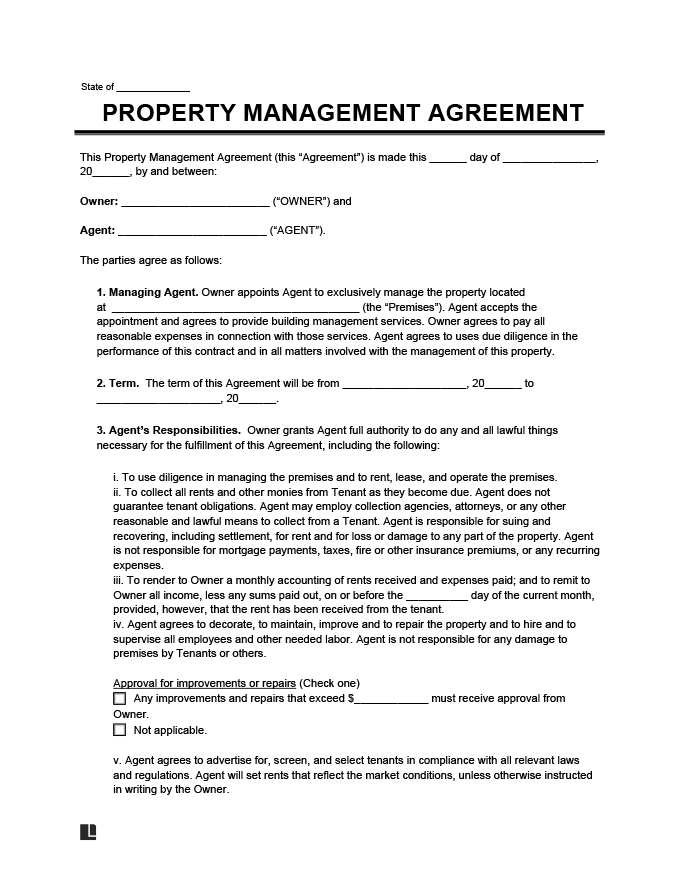
Structured agreements play a key role in defining responsibilities and reducing legal ambiguity, helping businesses maintain clarity and accountability in their operations7.
The Cultural Layer: Sharīʿah Law and Islamic Finance
Sharīʿah law introduces a unique dimension to Malaysia’s compliance landscape, particularly in financial structuring. Islamic principles influence how property transactions are financed, emphasizing profit-sharing models instead of interest-based systems8.
This requires businesses to adopt Sharīʿah-compliant instruments, collaborate with Islamic financial institutions, and ensure that contractual structures align with religious guidelines to access broader market opportunities.
International Compliance and Cross-Border Risks
For companies operating across borders, compliance extends into international regulations such as sanctions and financial controls. Businesses must conduct due diligence on investors, funding sources, and partners to avoid exposure to restricted entities or jurisdictions9.
This additional layer of scrutiny is particularly important for high-value developments and international collaborations.
Data Protection in Property Technology
Data protection laws are rapidly transforming how property businesses operate, especially those leveraging digital platforms and smart technologies. Regulations now require companies to handle tenant and user data responsibly, ensuring privacy, security, and transparency in all processes10.
This shift is particularly significant for proptech firms that rely on data-driven insights, automation, and digital customer experiences.
Payments and Financial Compliance
Financial transactions within property businesses are also subject to strict compliance standards. Payment platforms enforce regulations that can directly impact rental systems, booking platforms, and property marketplaces if not properly followed11.
Non-compliance in this area can disrupt cash flow and operational continuity, especially for digital-first real estate businesses.
How Successful Property Businesses Stay Compliant
- Strategic Integration: Compliance is embedded into business models from the start.
- Local Expertise: Legal advisors and compliance professionals provide essential guidance.
- Clear Agreements: Structured contracts reduce risk and ambiguity.
- Cultural Alignment: Respect for local norms enhances trust and market access.
- Technology Adoption: Digital tools support scalable and efficient compliance management.
The Future of Compliance in Malaysia’s Property Sector
Compliance is set to become even more critical as digital regulation expands, cross-border integration deepens, and sustainability requirements grow. Property businesses must continuously adapt to remain competitive and resilient in an increasingly regulated environment.
Ultimately, compliance is no longer just a cost—it is a key driver of trust, efficiency, and long-term success in Malaysia’s evolving property market.
Frequently Asked Questions
Question: Why is legal compliance important for property businesses in Malaysia?
Answer: Legal compliance ensures that businesses operate within regulatory frameworks, avoid penalties, and maintain long-term sustainability while building trust with investors and stakeholders.
Question: How does Sharīʿah law affect property transactions?
Answer: Sharīʿah law influences financing structures by promoting profit-sharing models instead of interest-based systems, requiring specific compliant instruments and contracts.
Question: What risks do non-compliant property businesses face?
Answer: Non-compliance can lead to fines, project delays, loss of licenses, disrupted payments, and reputational damage, all of which can significantly impact business operations.
Disclaimer: The information is provided for general information only. BridgeProperties makes no representations or warranties in relation to the information, including but not limited to any representation or warranty as to the fitness for any particular purpose of the information to the fullest extent permitted by law. While every effort has been made to ensure that the information provided in this article is accurate, reliable, and complete as of the time of writing, the information provided in this article should not be relied upon to make any financial, investment, real estate or legal decisions. Additionally, the information should not substitute advice from a trained professional who can take into account your personal facts and circumstances, and we accept no liability if you use the information to form decisions.