)
.webp)
Malaysia Property Intelligence AI-driven Analytics: How AI Is Reshaping Real Estate in 2026
Key Takeaways
- AI-Powered Insights: Advanced analytics platforms are transforming how property data is interpreted and used.
- Operational Efficiency: AI agents automate property workflows, reducing manual effort and improving speed.
- Smarter Management: Automation enhances tenant services and building maintenance processes.
- Data Challenges: Clean data and system integration remain key barriers to AI adoption.
- Future-Ready Market: AI is shaping a more intelligent, transparent, and predictive real estate ecosystem.
The Launch of MPIC: A Turning Point for Property Analytics
The introduction of the AI-powered Malaysia Property Intelligence Centre marks a major step forward for the industry, enabling property stakeholders to access advanced analytics and predictive insights that improve decision-making and reduce investment risks1.
Instead of relying only on historical data, AI systems now detect patterns and forecast market outcomes, helping transform raw property data into actionable intelligence through tools like Property Intelligence & Analytics2.
How AI Agents Are Transforming Real Estate Operations
Artificial intelligence is increasingly embedded in real estate operations, enabling automation of tasks such as property matching, customer interaction, and transaction workflows, significantly improving efficiency across the ecosystem3.
)
Digital systems streamlining property transactions, tenant communication, and listing automation
These AI-driven systems reduce manual workloads while enabling faster responses and smarter recommendations, particularly valuable in fast-moving property markets.
Smarter Property Management Through Automation
AI is also transforming property management by automating routine processes, improving service delivery, and enhancing transaction accuracy across residential and commercial properties4.
From predictive maintenance to automated rent collection, these systems reduce operational costs while delivering better experiences for tenants and property managers alike.
The Hidden Challenge: Data Quality and Integration
Despite its advantages, AI adoption comes with challenges such as poor data quality, complex integration, and high implementation costs, all of which can limit effectiveness if not properly addressed5.
This reinforces the importance of strong data infrastructure and solutions like data-driven property market intelligence to ensure reliable and accurate insights6.
AI in Construction: Building Smarter from the Ground Up
AI is also improving construction processes by enhancing safety monitoring, project management, and cost forecasting, helping developers deliver projects more efficiently and accurately7.
These advancements contribute to better-built properties and a more resilient real estate market overall.
Beyond Property: AI in Smart Cities and Infrastructure
AI is playing a growing role in smart city development, including energy optimization and infrastructure management, creating more sustainable and efficient urban environments8.
This integration connects property developments with broader intelligent systems, enhancing long-term value and livability.
Malaysia’s AI Readiness: A Strong Foundation
Malaysia’s progress in AI is supported by national strategies, infrastructure investment, and talent development, positioning the country as a strong regional player in AI adoption9.
This foundation is accelerating AI integration across industries, including real estate.
AI in Retail and Supply Chains: A Connected Ecosystem
AI-driven demand forecasting is helping businesses optimize operations, influencing how retail and commercial spaces are planned and utilized within the property market10.
This creates a ripple effect that shapes demand for different types of real estate assets.
Legal Tech Meets Real Estate
AI-powered legal tools are streamlining processes such as contract analysis, compliance checks, and risk assessment, reducing delays in property transactions11.
This improves transparency and efficiency across the legal aspects of real estate.
Market Outlook: AI Growth Is Just Beginning
AI adoption in Malaysia is expected to grow rapidly, driven by increased investment, regulatory support, and rising demand for intelligent data solutions12.
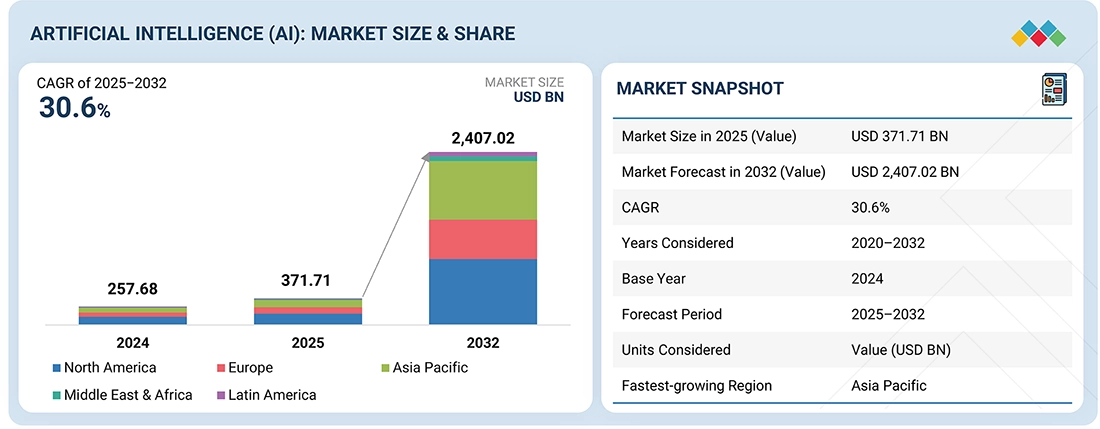
Global trends also highlight expanding demand for AI-powered analytics and operational efficiency tools across industries13.
What This Means for Buyers, Investors, and Businesses
AI is reshaping how people interact with the property market, offering faster property searches, better investment insights, improved operational efficiency, and smarter development planning.
These advancements are making the real estate ecosystem more transparent, efficient, and data-driven.
A New Era for Malaysia Property Intelligence AI-driven Analytics
Malaysia Property Intelligence AI-driven Analytics represents a major shift in how real estate operates, driven by predictive insights, automation, and smarter systems.
While challenges such as data quality and integration remain, the overall direction is clear—AI is becoming essential to the future of property.
As adoption continues to grow, Malaysia’s real estate sector is set to become more intelligent, efficient, and competitive in the global market.
Frequently Asked Questions
Question: What is Malaysia Property Intelligence AI-driven Analytics?
Answer: It refers to the use of artificial intelligence and data analytics to improve decision-making, forecasting, and efficiency in the real estate sector.
Question: How does AI help property buyers and investors?
Answer: AI helps by providing accurate property recommendations, price predictions, and market insights that reduce risk and improve investment decisions.
Question: What are the main challenges of using AI in real estate?
Answer: Key challenges include data quality issues, integration with existing systems, and the cost of implementing advanced AI technologies.
Disclaimer: The information is provided for general information only. BridgeProperties makes no representations or warranties in relation to the information, including but not limited to any representation or warranty as to the fitness for any particular purpose of the information to the fullest extent permitted by law. While every effort has been made to ensure that the information provided in this article is accurate, reliable, and complete as of the time of writing, the information provided in this article should not be relied upon to make any financial, investment, real estate or legal decisions. Additionally, the information should not substitute advice from a trained professional who can take into account your personal facts and circumstances, and we accept no liability if you use the information to form decisions.