)

Shariah-Compliant Home Financing: Inside the Fast-Growing Islamic Mortgage Movement
Key Takeaways
- Rapid Growth: Shariah-compliant home financing is becoming mainstream in Malaysia’s property market.
- Faith-Based Finance: It avoids interest and focuses on ethical, asset-backed transactions.
- Innovative Models: Structures like Murabahah and leasing models replace conventional loans.
- Trust Challenges: Concerns remain about whether all products truly meet Shariah standards.
- Future Focus: Reform, regulation, and education will shape the industry’s direction.
Introduction to a Growing Movement
Shariah-compliant home financing is quickly becoming one of the most talked-about shifts in the global property and banking space in 2026. In Malaysia especially, this trend is not just about buying homes—it’s about aligning finance with faith, ethics, and trust.
As more people look for alternatives to traditional loans, Islamic home financing has stepped into the spotlight. Behind this growth lies a deeper story of reform, innovation, and the ongoing effort to balance modern housing needs with strict adherence to Shariah principles.
Why Shariah-Compliant Home Financing Is Surging
At its core, Shariah-compliant home financing addresses a fundamental issue: conventional mortgages rely on interest (Riba), which is prohibited in Islam. This creates demand for alternatives that allow Muslim homebuyers to purchase property without compromising their beliefs1.
This shift is no longer niche. A growing Muslim middle class, increased awareness of ethical finance, and strong institutional support have all contributed to making Islamic home financing a mainstream option.
Understanding the Foundations of Islamic Finance
Islamic finance is governed by principles that emphasize fairness, transparency, and real economic activity. These include the prohibition of interest, avoidance of excessive uncertainty, and a requirement for asset-backed transactions2.
Because of these rules, Islamic mortgages differ fundamentally from conventional loans. Instead of lending money with interest, financial institutions structure transactions around real assets and shared risk.
How Islamic Mortgages Actually Work
Islamic mortgages often involve the bank participating directly in the property transaction. Rather than lending money, the bank may purchase the property and sell it to the buyer at an agreed markup, or lease it while gradually transferring ownership3.
This approach ensures that financing is tied to tangible assets, reinforcing the ethical and practical foundations of Islamic finance.
Popular Shariah-Compliant Financing Models in Malaysia
Malaysia has positioned itself as a global leader in Islamic finance, offering a wide range of home financing solutions tailored to different needs.
Commodity Murabahah remains one of the most widely used models, where banks sell assets at a profit margin agreed upfront4.
Other offerings include flexible mortgage structures and globally backed Islamic financing solutions introduced by both local and international banks, reflecting the competitiveness of the market.
The Trust Problem: Are All Products Truly Shariah-Compliant?
Despite its growth, the industry faces ongoing scrutiny. One major concern is Shariah Non-compliance Income (SNCI), which can arise in certain financing structures and raises questions about authenticity5.
This has sparked debate over whether some products genuinely follow Islamic principles or simply replicate conventional loans under different names.
The Role of Shariah Boards in Building Trust
Shariah Boards play a critical role in ensuring compliance. They oversee financial products, review contracts, and monitor operations to ensure alignment with Islamic law6.
)
Structured oversight process highlighting governance and compliance roles within Islamic financial systems
Strong governance is essential to maintaining trust, especially as consumers become more informed and demand greater transparency.
Why Reform Is Now Urgent
As demand grows, so does the need for reform. Experts emphasize the importance of improving fairness, clarity, and consistency in Islamic home financing structures7.
Challenges include complex contracts, varying interpretations of Shariah compliance, and concerns about profit-driven approaches that may undermine ethical goals.
The Bigger Picture: A Booming Global Industry
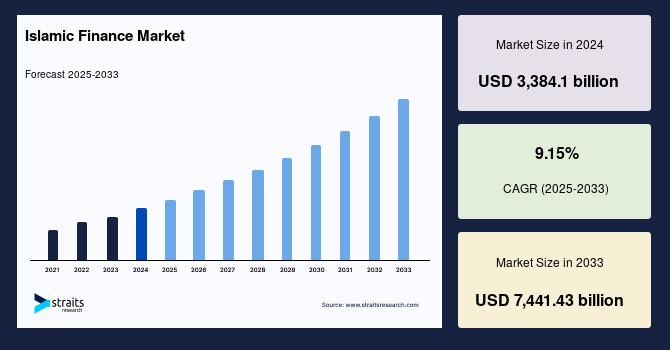
Islamic finance is experiencing rapid global growth, driven by demographic trends, ethical investing demand, and strong government backing8.
Home financing plays a central role in this expansion, connecting financial systems with one of life’s most important milestones—home ownership.
What This Means for Homebuyers in Malaysia
For buyers, the rise of Shariah-compliant financing offers more choice than ever before. However, it also requires greater awareness and understanding to navigate the available options effectively.
- Understand the structure: Know how the financing model works beyond its label.
- Check certification: Ensure credible Shariah approval is in place.
- Compare options: Evaluate different products carefully.
- Ask questions: Transparency is key to making informed decisions.
The Future of Shariah-Compliant Home Financing
The future of this sector will be shaped by innovation, stronger regulation, and improved consumer education. Financial institutions are expected to continue refining their offerings while maintaining compliance with core principles.
Balancing authenticity with competitiveness will remain the industry’s biggest challenge.
Final Thoughts
Shariah-compliant home financing is no longer a niche alternative—it is a powerful force shaping the future of property and finance in Malaysia and beyond.
Its continued success will depend on maintaining trust, ensuring transparency, and staying true to the ethical foundations that define Islamic finance.
Frequently Asked Questions
Question: What makes Shariah-compliant home financing different from conventional mortgages?
Answer: It avoids interest-based lending and instead uses asset-backed transactions, profit-sharing, or leasing structures that comply with Islamic principles.
Question: Is Shariah-compliant financing only for Muslims?
Answer: No, it is open to anyone interested in ethical and interest-free financial solutions.
Question: Are all Islamic home financing products fully Shariah-compliant?
Answer: Not necessarily, which is why it is important to check Shariah board approvals and understand how each product is structured.
Disclaimer: The information is provided for general information only. BridgeProperties makes no representations or warranties in relation to the information, including but not limited to any representation or warranty as to the fitness for any particular purpose of the information to the fullest extent permitted by law. While every effort has been made to ensure that the information provided in this article is accurate, reliable, and complete as of the time of writing, the information provided in this article should not be relied upon to make any financial, investment, real estate or legal decisions. Additionally, the information should not substitute advice from a trained professional who can take into account your personal facts and circumstances, and we accept no liability if you use the information to form decisions.