)
.webp)
Legal tax requirements Malaysian dropshippers: What every seller must know in 2026
Key Takeaways
- Compliance Is Mandatory: Dropshipping in Malaysia now requires adherence to tax, licensing, and cross-border regulations.
- Tax Complexity Exists: Income tax, SST rules, and exemptions depend on how your business is structured.
- Cross-Border Risks: Selling internationally can trigger foreign tax obligations and compliance requirements.
- Logistics Matters: Errors in shipping, customs, and documentation can lead to legal penalties.
- Long-Term Strategy Wins: Serious sellers treat dropshipping as a structured business, not a quick side hustle.
Introduction to Dropshipping Regulations in Malaysia
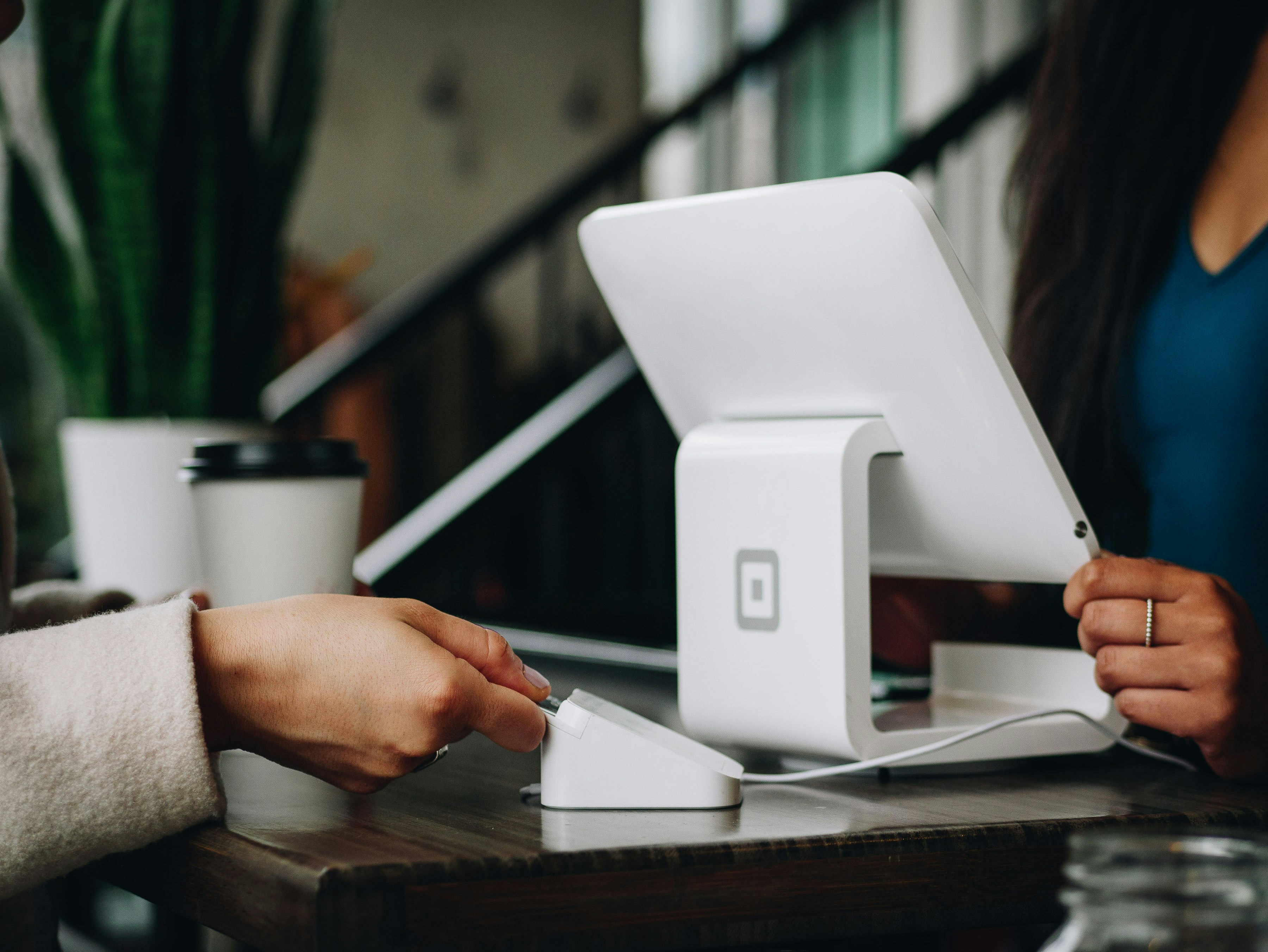
Digital commerce operations involving online stores, logistics coordination, and global product sourcing
The rise of e-commerce has turned dropshipping into one of the most talked-about online business models in 2026. But behind the excitement lies a reality many new sellers underestimate: legal tax requirements Malaysian dropshippers must follow are far more complex than simply registering a business with SSM.
From cross-border tax rules to supplier logistics and compliance filings, Malaysian dropshippers today operate in a tightly regulated environment where understanding legal frameworks is essential for sustainability.
Why legal compliance is now a make-or-break factor
Dropshipping used to feel like a low-barrier entry into e-commerce, but that perception has changed significantly as regulatory oversight increases across digital businesses.
Malaysian dropshippers must now comply with multiple layers of tax, licensing, and logistics regulations beyond basic registration requirements1.
This shift reflects how authorities now treat dropshipping as a legitimate business model subject to the same scrutiny as traditional enterprises.
The foundation: business registration is just the beginning
Most Malaysian entrepreneurs begin with SSM registration, but additional compliance requirements often apply depending on the nature of products and operations2.
These requirements may include tax registration, SST obligations, and specific permits tied to regulated goods, making proper setup a critical early step.
Understanding Malaysian tax obligations for dropshippers
Dropshipping income is treated as business income in Malaysia, meaning sellers must declare profits, maintain records, and comply with tax filing obligations.
Sales tax and exemptions
Sales tax rules in dropshipping can vary depending on whether goods physically enter Malaysia, with certain exemptions available under specific conditions3.
However, these benefits require proper documentation and compliance with eligibility criteria to avoid penalties.
Income tax obligations
Even without handling inventory directly, profits earned from online platforms remain taxable, including revenue, margins, and currency gains.
Failure to track income accurately is a common issue among new sellers and can lead to complications during tax filing4.
Cross-border dropshipping: where things get complicated
Expanding into international markets introduces additional tax exposure and regulatory challenges that many sellers underestimate.
Selling to the US without an LLC
Malaysian sellers targeting the US market may still face tax obligations depending on their activity level and platform requirements5.
Additionally, marketplace rules and nexus thresholds can create compliance responsibilities even without a physical presence6.
Singapore–Malaysia tax overlap
Operating across multiple jurisdictions raises questions about where taxes should be filed and how income is classified7.
Factors such as management location, income source, and residency status all influence tax obligations.
Logistics, suppliers, and hidden compliance risks
Dropshipping still involves supply chain responsibilities, and mistakes in logistics can directly lead to compliance issues.
Managing shipping documentation, customs declarations, and supplier coordination is essential to avoid penalties and operational disruptions.
What real sellers are saying (and getting wrong)
Common questions from sellers reveal widespread confusion about registration, taxation, and supplier relationships8.
Many assume small-scale operations are exempt from tax or that overseas suppliers remove compliance responsibilities, which is not the case.
Financial stability: the overlooked side of dropshipping
Entrepreneurs are increasingly viewing dropshipping as part of a broader financial strategy, integrating investments and long-term planning9.
This reflects a shift toward building sustainable income systems rather than relying solely on short-term gains.
The operational framework every Malaysian dropshipper needs
- Legal setup: Register business properly and secure necessary licenses.
- Tax readiness: Maintain records and understand applicable tax rules.
- Cross-border awareness: Research international obligations carefully.
- Logistics control: Ensure accurate documentation and supplier reliability.
- Financial planning: Build sustainable strategies beyond daily operations.
The biggest mistakes Malaysian dropshippers make
- Ignoring taxes: Even small profits must be declared.
- Overlooking global rules: International sales create new obligations.
- Poor documentation: Missing records can cause compliance failures.
- Relying on suppliers: Legal responsibility remains with the seller.
- Delaying compliance: Waiting increases risk exposure.
So, is dropshipping still worth it in 2026?
Dropshipping remains a viable business model, but only for those who approach it with proper systems, compliance awareness, and long-term planning.
Increased regulation has raised the barrier to entry, but it has also created opportunities for disciplined and well-prepared entrepreneurs.
Final thoughts: compliance is your competitive advantage
The landscape of dropshipping in Malaysia has evolved into a regulated environment where taxation, logistics, and legal compliance define success.
Those who understand these systems and operate strategically are better positioned to build sustainable and scalable businesses.
Frequently Asked Questions
Question: Do Malaysian dropshippers need to pay tax if they earn small income?
Answer: Yes, all business income must be declared regardless of size, although tax payable depends on total earnings and applicable thresholds.
Question: Can I run a dropshipping business in Malaysia without registering a company?
Answer: No, proper business registration is required to operate legally and comply with tax regulations.
Question: Do I need to worry about foreign taxes when selling internationally?
Answer: Yes, selling to other countries may create tax obligations depending on your sales volume, presence, and platform requirements.
Disclaimer: The information is provided for general information only. BridgeProperties makes no representations or warranties in relation to the information, including but not limited to any representation or warranty as to the fitness for any particular purpose of the information to the fullest extent permitted by law. While every effort has been made to ensure that the information provided in this article is accurate, reliable, and complete as of the time of writing, the information provided in this article should not be relied upon to make any financial, investment, real estate or legal decisions. Additionally, the information should not substitute advice from a trained professional who can take into account your personal facts and circumstances, and we accept no liability if you use the information to form decisions.
