)
.webp)
AI-driven Property Intelligence Malaysia: How AI Is Reshaping Real Estate in 2026
Key Takeaways
- AI Adoption Surge: Artificial intelligence is transforming how property decisions are made in Malaysia.
- Data-Driven Insights: Real estate is shifting from instinct-based decisions to data-first strategies.
- Smarter Cities: AI is enabling better urban planning and infrastructure development.
- Efficiency Gains: Property management and valuation processes are becoming faster and more accurate.
- Future Growth: AI is set to drive innovation across investment, construction, and sustainability.
The Rise of AI in Malaysia’s Property Market
AI-driven Property Intelligence Malaysia is quickly becoming one of the most talked-about trends in real estate this year. In 2026, artificial intelligence is no longer just a buzzword—it is actively changing how people buy, sell, manage, and invest in property across the country.
From smarter pricing tools to energy-efficient buildings, AI is helping the real estate industry move faster, make better decisions, and reduce risk. At the center of this shift is a new wave of platforms and systems that turn massive amounts of data into clear, useful insights.
The Malaysian property market has always been complex, with prices varying across regions and demand shifting quickly. A major milestone in this transformation is the introduction of AI-powered platforms that improve market transparency and strategic planning1.
This shift highlights a growing trend where real estate decisions are becoming data-first rather than instinct-driven, helping professionals and investors reduce uncertainty and improve outcomes2.
What Is AI-Driven Property Intelligence?
AI-driven property intelligence refers to the use of artificial intelligence to collect, analyze, and interpret real estate data. Instead of relying on manual reports, AI systems can process vast datasets instantly to uncover patterns and trends.
- Predict property price trends
- Analyze buyer demand
- Identify investment opportunities
- Evaluate risks
- Automate property management tasks

Artificial intelligence systems integrating valuation, analytics, and property management workflows
These systems continuously learn from data, improving their accuracy over time and enabling more reliable decision-making in real estate markets3.
Smarter Property Valuation with AI and NLP
Pricing has always been one of the most challenging aspects of real estate. AI is now addressing this by using natural language processing to analyze news, reports, and social sentiment to refine property valuations.
This approach combines traditional data with real-time public opinion, allowing property values to adjust dynamically based on market perception and emerging developments4.
AI and Urban Planning: Smarter Cities in Malaysia
AI is also transforming how cities are planned and developed. Urban planners can now use AI to analyze how infrastructure projects impact property values and identify high-potential areas for development.
This enables more precise land use strategies and supports balanced urban growth, particularly in rapidly developing regions across Malaysia5.
Transforming Property Management with AI
Property management is becoming more efficient with AI-powered tools that automate routine tasks and improve tenant experiences.
From predictive maintenance to automated communication systems, AI is streamlining operations and reducing manual workload across the property lifecycle6.
AI in Smart Buildings and Energy Efficiency
Smart buildings powered by AI are becoming more common, using intelligent systems to manage energy consumption, lighting, and temperature.
These innovations help reduce operational costs while supporting sustainability goals through real-time optimization of building performance7.
AI and Property Insurance: Better Risk Assessment
AI is enhancing risk assessment in property insurance by analyzing location data, environmental factors, and building conditions.
This leads to more accurate underwriting and faster claims processing, strengthening confidence in the property ecosystem8.
Next-Generation Building Materials with AI
AI is also influencing construction by enabling the development of advanced materials that are more durable and sustainable.
This innovation supports long-term cost savings and reduces environmental impact, contributing to more resilient infrastructure9.
Digital Transformation Across the Region
The adoption of AI in real estate is not limited to Malaysia. Across the region, companies are integrating AI into operations to enhance efficiency and user experience.
This broader transformation highlights a regional shift toward smarter, technology-driven property ecosystems10.
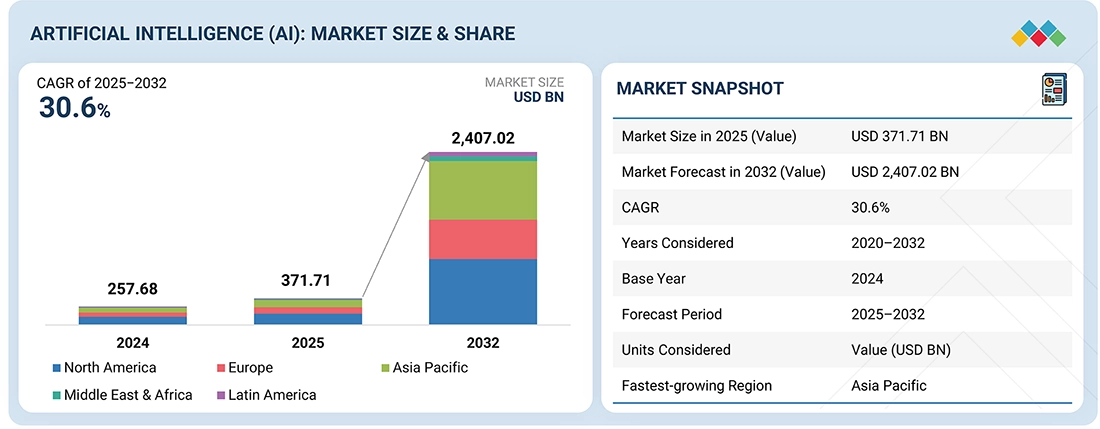
Market Growth: Why AI in Real Estate Is Booming
The growth of AI in real estate is part of a larger global trend, with increasing demand for automation and data-driven decision-making tools.
This expansion is expected to continue through the next decade, creating new opportunities for innovation and investment11.
What This Means for Buyers and Investors
For buyers and investors, AI-driven property intelligence reduces uncertainty and improves decision-making by providing faster and more accurate insights.
It also opens opportunities to identify emerging markets and undervalued properties earlier than ever before12.
Challenges and Things to Watch
Despite its benefits, AI comes with challenges such as data quality, privacy concerns, and uneven adoption across the industry.
Human expertise remains essential, as AI works best when combined with professional judgment and experience.
The Future of AI-Driven Property Intelligence Malaysia
Looking ahead, AI-driven Property Intelligence Malaysia will continue to evolve with more advanced tools, personalized insights, and integrated systems across industries.
As cities become smarter and data becomes more accessible, AI will play an even greater role in shaping how property markets operate.
Final Thoughts
AI-driven Property Intelligence Malaysia is not just a trend—it is a transformation that is redefining how real estate works.
From smarter valuations to intelligent cities, AI is reshaping every aspect of the industry and setting a new standard for data-driven decision-making.
The future of real estate in Malaysia is intelligent, connected, and driven by AI—and it is already here.
Frequently Asked Questions
Question: What is AI-driven property intelligence?
Answer: It refers to the use of artificial intelligence to analyze real estate data, helping improve decision-making in buying, selling, and managing properties.
Question: How is AI used in real estate in Malaysia?
Answer: AI is used for property valuation, market analysis, urban planning, smart building management, and risk assessment in Malaysia’s real estate sector.
Question: What are the benefits of AI for property investors?
Answer: AI helps investors make better decisions by providing accurate data insights, identifying opportunities early, and reducing risks.
Disclaimer: The information is provided for general information only. BridgeProperties makes no representations or warranties in relation to the information, including but not limited to any representation or warranty as to the fitness for any particular purpose of the information to the fullest extent permitted by law. While every effort has been made to ensure that the information provided in this article is accurate, reliable, and complete as of the time of writing, the information provided in this article should not be relied upon to make any financial, investment, real estate or legal decisions. Additionally, the information should not substitute advice from a trained professional who can take into account your personal facts and circumstances, and we accept no liability if you use the information to form decisions.