)
.webp)
Shariah-Compliant Home Financing: How Ethical Mortgages Are Reshaping Homeownership in 2026
Key Takeaways
- Ethical Financing Model: Shariah-compliant financing avoids interest and focuses on fairness and asset-backed transactions.
- Malaysia’s Leadership: The country remains a global hub for Islamic finance innovation and home financing solutions.
- Different Structures: Models like Murabahah, Musharakah, and Ijarah replace traditional interest-based loans.
- Governance Matters: Shariah boards ensure compliance, transparency, and ethical consistency.
- Ongoing Challenges: Issues like complexity, perception, and compliance risks still need improvement.
Introduction to Shariah-Compliant Home Financing
In 2026, Shariah-compliant home financing is no longer a niche concept—it has become one of the fastest-growing segments in global finance, especially in Malaysia where Islamic finance continues to evolve into a modern and structured system1.
Beyond the numbers, this growth reflects a deeper shift in how people think about money, homeownership, and ethical responsibility. It is not just about acquiring property—it is about fairness, shared risk, and trust in financial relationships.
What Is Shariah-Compliant Home Financing?
At its core, Shariah-compliant home financing avoids Riba (interest), replacing it with structured agreements based on trade, leasing, or partnerships. This creates a clear distinction from conventional mortgages, where interest is the foundation of lending2.
Instead of borrowing money and paying it back with interest, buyers enter into agreements where the bank either owns, co-owns, or leases the property. This transforms the relationship into one built on shared responsibility rather than debt.
The Rise of Islamic Home Financing in Malaysia
Malaysia continues to lead globally in Islamic finance, with banks offering increasingly sophisticated Shariah-compliant home financing products designed to meet modern housing demands3.
Financial institutions are expanding their offerings with flexible structures, competitive pricing, and digital integration, reflecting how traditional principles can coexist with modern innovation4.
This diversity of products ensures that different types of buyers—from first-time homeowners to investors—can find suitable Shariah-compliant solutions tailored to their needs5.
How These Financing Models Actually Work
Understanding the structures behind Shariah-compliant financing helps explain why it is gaining traction among modern homebuyers.
- Commodity Murabahah: The bank purchases an asset and sells it at a marked-up price with fixed installments.
- Musharakah: A partnership where both bank and buyer share ownership, with gradual transfer to the buyer.
- Ijarah: A leasing model where the bank owns the property and rents it to the buyer.
The Backbone: Shariah Governance and Compliance
Shariah governance plays a critical role in ensuring that all financial products adhere strictly to Islamic principles, requiring continuous monitoring and structured oversight6.
At the center of this system are Shariah boards, which review financial structures, validate compliance, and maintain ethical consistency across all transactions.
)
Scholars reviewing financial structures and ensuring adherence to Islamic ethical principles
These governance mechanisms are essential for maintaining trust, as they ensure every step of the financing process aligns with religious and ethical standards.
The Hidden Challenge: Shariah Non-Compliance Risk
Despite its strengths, the system is not without challenges. One of the key concerns is Shariah Non-Compliance Income, which arises when transactions unintentionally breach Shariah principles7.
Studies also highlight the need for stronger governance frameworks and improved monitoring systems to reduce such risks and enhance overall compliance8.
A Growing Call for Reform
As the industry expands, concerns are emerging about whether some products truly reflect Islamic principles or simply replicate conventional loans under different structures9.
This has led to calls for greater transparency, stronger consumer protections, and more authentic adherence to Shariah values to preserve trust in the system.
What Do Consumers Really Think?
Consumer perception plays a major role in shaping the future of Islamic home financing, with many choosing these products for religious and ethical reasons while still considering pricing and transparency10.
However, a lack of understanding about how these products work remains a challenge, highlighting the importance of clear communication from financial institutions.
Why Shariah-Compliant Financing Is Gaining Momentum in 2026
Several factors are driving the rapid growth of Shariah-compliant home financing in 2026, including rising demand for ethical finance and stronger institutional support across global markets.
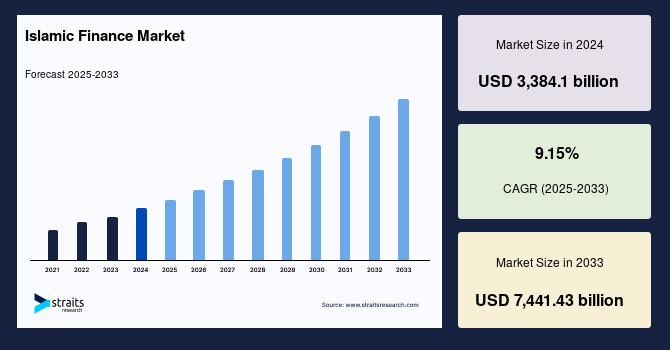
The industry is also benefiting from increasing product diversity and global expansion, supported by strong growth projections in the Islamic finance sector11.
Islamic vs Conventional Mortgages: A Clear Contrast
The difference between Islamic and conventional mortgages lies in their fundamental structure. Conventional loans rely on interest, while Islamic financing is based on trade, leasing, or partnerships.
This shift creates a different financial experience, where buyers often feel a sense of shared responsibility rather than long-term debt.
The Role of Technology in Islamic Home Financing
Technology is increasingly shaping the future of Islamic home financing, enabling better transparency, streamlined processes, and real-time compliance tracking.
This integration of digital tools with traditional principles is helping the industry evolve while maintaining its ethical foundation.
Challenges That Still Need Solving
Despite its growth, several challenges remain that could impact the long-term sustainability of Shariah-compliant financing.
- Complexity: Some financial structures are difficult for first-time buyers to understand.
- Perception Issues: Critics argue that certain models closely resemble conventional loans.
- Regulatory Gaps: Variations in interpretation can lead to inconsistencies.
- Cost Competitiveness: Pricing may sometimes be slightly higher than conventional options.
What This Means for Homebuyers
For homebuyers in 2026, choosing Shariah-compliant financing means paying closer attention to structure, transparency, and the credibility of financial institutions.
Careful comparison of available products and a clear understanding of contract terms can help buyers make informed decisions aligned with both financial and ethical goals.
The Bigger Picture: More Than Just Mortgages
Shariah-compliant home financing represents a broader movement toward ethical banking, responsible lending, and trust-based financial systems.
As global financial systems face increasing scrutiny, this model offers an alternative approach that prioritizes fairness and accountability.
Final Thoughts
In 2026, Shariah-compliant home financing stands at a pivotal moment of growth and reflection.
While the industry has made significant progress, maintaining trust will depend on stronger governance, improved transparency, and a continued commitment to its ethical foundations.
Ultimately, this is not just about financing homes—it is about building a financial system people can believe in.
Frequently Asked Questions
Question: What makes Shariah-compliant home financing different from conventional mortgages?
Answer: Shariah-compliant financing avoids interest and instead uses asset-based structures like partnerships, leasing, or trade agreements, creating a more ethical and risk-sharing model.
Question: Is Shariah-compliant financing only for Muslims?
Answer: No, these financing options are open to anyone interested in ethical, interest-free financial products, regardless of religious background.
Question: Are Islamic home financing options more expensive?
Answer: Costs can vary, but while some products may be slightly higher, many are competitively priced and offer added transparency and ethical value.
Disclaimer: The information is provided for general information only. BridgeProperties makes no representations or warranties in relation to the information, including but not limited to any representation or warranty as to the fitness for any particular purpose of the information to the fullest extent permitted by law. While every effort has been made to ensure that the information provided in this article is accurate, reliable, and complete as of the time of writing, the information provided in this article should not be relied upon to make any financial, investment, real estate or legal decisions. Additionally, the information should not substitute advice from a trained professional who can take into account your personal facts and circumstances, and we accept no liability if you use the information to form decisions.