)

Home Improvement Market Malaysia: A Rapidly Growing Industry Transforming Homes in 2026
Key Takeaways
- Rapid Market Growth: Increasing urbanization and rising incomes are driving demand for better living spaces.
- Diverse Consumer Segments: DIY homeowners, contractors, and investors all contribute to market expansion.
- Retail Expansion: Major players are scaling quickly by offering affordable and accessible products.
- Investor Confidence: Strong funding and IPO activity signal long-term growth potential.
- Future Trends: Sustainability, digitalization, and smart home integration are shaping the next phase of the industry.
Introduction to Malaysia’s Booming Home Improvement Market
The Home Improvement Market Malaysia is booming in 2026, transforming how people live, spend, and upgrade their homes. From simple DIY fixes to full-scale renovations, homeowners are investing more than ever in comfort, functionality, and modern design. This shift is fueled by rising incomes, rapid urbanization, and evolving lifestyle expectations, turning the industry into a major economic force attracting both investors and global brands1.
Why the Home Improvement Market Malaysia Is Growing Fast
The market’s expansion is supported by strong economic and demographic trends, with increasing urban populations and higher disposable incomes pushing homeowners to upgrade rather than relocate2.
Consumers are focusing on practical and aesthetic upgrades that improve daily living, such as kitchens, storage, and energy efficiency solutions. This growing preference for renovation over relocation has created steady demand for home improvement products and services.
Consistent year-on-year growth in market size further reflects strong nationwide demand and sustained consumer spending in this sector3.
In essence, homeowners are no longer just purchasing properties—they are continuously investing in enhancing them4.
Market Segmentation: Who Is Driving Demand?
The Home Improvement Market Malaysia is shaped by a diverse mix of consumers, each contributing differently to its expansion. These include DIY enthusiasts, professional contractors, and property investors seeking to increase asset value5.
DIY homeowners typically focus on affordable and easy-to-use solutions, while contractors prioritize durability and bulk purchasing. Investors, meanwhile, aim to maximize returns through strategic upgrades, creating a balanced ecosystem that supports both budget and premium segments.
The Rise of Retail Giants: Mr. DIY Leads the Way
The rapid rise of major retail chains highlights how accessibility and affordability are reshaping the industry. One standout example is a retailer that expanded from a single store into a multi-billion-dollar enterprise, redefining how consumers access home improvement products6.
Its strategy of offering low-cost tools and household essentials has made DIY projects more accessible to everyday consumers, while aggressive expansion has strengthened its nationwide presence.
This approach has positioned it as a dominant player among value-conscious shoppers, capturing significant market share and reinforcing the importance of affordability in Malaysia’s retail landscape7.
Strong Investor Confidence Fuels Expansion
Investor interest in the home improvement sector continues to grow, with major funding activities signaling confidence in its long-term potential. A notable example includes a large-scale IPO aiming to raise hundreds of millions of dollars to support expansion and operational improvements8.
This influx of capital enables companies to enhance supply chains, expand retail footprints, and invest in digital capabilities, ensuring continued growth and competitiveness.
Regional Influence: Malaysia in the ASEAN Market
Malaysia plays a significant role within the broader ASEAN home improvement landscape, benefiting from regional growth trends and increasing cross-border collaboration9.
This regional integration opens opportunities for shared innovation, improved supply chains, and competitive pricing, strengthening Malaysia’s position as a key market in Southeast Asia.
Industry Partnerships Are Strengthening the Ecosystem
Strategic collaborations between major brands are enhancing product offerings and distribution efficiency, contributing to overall market growth10.
Such partnerships enable companies to deliver better quality products while expanding their reach, creating a more competitive and innovative industry environment.
Visualizing the Growth of the Market
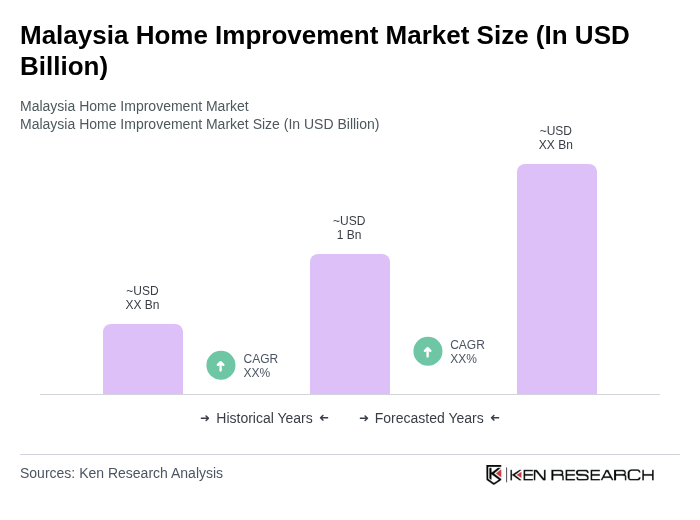
Market expansion driven by diverse consumer segments and increasing renovation activities across Malaysia
Global Benchmarks: Learning from the UK Market
Insights from more mature markets provide valuable lessons for Malaysia, particularly in areas such as operational efficiency, logistics, and private-label development11.
Adopting these strategies can help local companies enhance competitiveness and scale more effectively in both domestic and international markets.
Challenges in the Home Improvement Market Malaysia
Despite strong growth, the industry faces ongoing challenges related to product quality, pricing consistency, and customer service, reflecting gaps that businesses must address to maintain consumer trust12.
Addressing these issues will be crucial as competition intensifies and customer expectations continue to rise.
Key Trends Shaping the Future
The future of the Home Improvement Market Malaysia is being shaped by evolving consumer behavior and technological advancements.
- DIY culture continues to grow as more homeowners take on renovation projects themselves.
- Digital platforms are transforming how products are marketed and sold.
- Sustainability is driving demand for eco-friendly materials and energy-efficient solutions.
- Smart home technologies are becoming increasingly integrated into renovation projects.
What This Means for Homeowners and Businesses
For homeowners, the expanding market offers greater variety, improved affordability, and easier access to tools and services.
For businesses, it presents both opportunities and challenges, requiring innovation, efficiency, and adaptability to stay competitive.
Final Thoughts: A Market Full of Opportunity
The Home Improvement Market Malaysia in 2026 stands out as one of the country’s most dynamic and promising sectors.
Driven by strong demand, urban development, and continuous innovation, it is reshaping how Malaysians approach homeownership and lifestyle upgrades.
As the industry evolves, it offers significant opportunities for both consumers and businesses, reinforcing the idea that home improvement is no longer just a necessity but a defining aspect of modern living.
Frequently Asked Questions
Question: What is driving the growth of the home improvement market in Malaysia?
Answer: The growth is driven by urbanization, rising incomes, increased homeownership, and a growing preference for upgrading existing homes instead of relocating.
Question: Who are the main consumers in this market?
Answer: The market is driven by DIY homeowners, professional contractors, and property investors, each contributing differently to demand.
Question: What trends will shape the future of this industry?
Answer: Key trends include digital transformation, sustainable building practices, increased DIY adoption, and the integration of smart home technologies.
Disclaimer: The information is provided for general information only. BridgeProperties makes no representations or warranties in relation to the information, including but not limited to any representation or warranty as to the fitness for any particular purpose of the information to the fullest extent permitted by law. While every effort has been made to ensure that the information provided in this article is accurate, reliable, and complete as of the time of writing, the information provided in this article should not be relied upon to make any financial, investment, real estate or legal decisions. Additionally, the information should not substitute advice from a trained professional who can take into account your personal facts and circumstances, and we accept no liability if you use the information to form decisions.
