)
.webp)
Legal Tax Requirements Dropshippers Malaysia: What You Must Know in 2026
Key Takeaways
- Legal Compliance is Essential: Dropshipping in Malaysia now requires strict adherence to legal and tax regulations.
- SSM Registration is Just the Start: Registering your business is mandatory, but ongoing compliance matters more.
- Sales Tax Opportunities Exist: Proper structuring can unlock tax exemptions and improve margins.
- Global Selling Means Global Taxes: Selling internationally introduces VAT and foreign tax obligations.
- Compliance Drives Growth: Businesses that follow the rules scale faster and avoid costly disruptions.
Introduction to Dropshipping Compliance in 2026
The rise of ecommerce and AI-powered selling tools has made dropshipping one of the easiest ways to start an online business. But understanding the legal tax requirements dropshippers Malaysia must follow is no longer optional in 2026. It determines whether your business scales smoothly or faces penalties and disruptions.
This deep dive explores the real legal and tax landscape for Malaysian dropshippers, from local registration to global obligations, and why compliance is quickly becoming a competitive advantage.
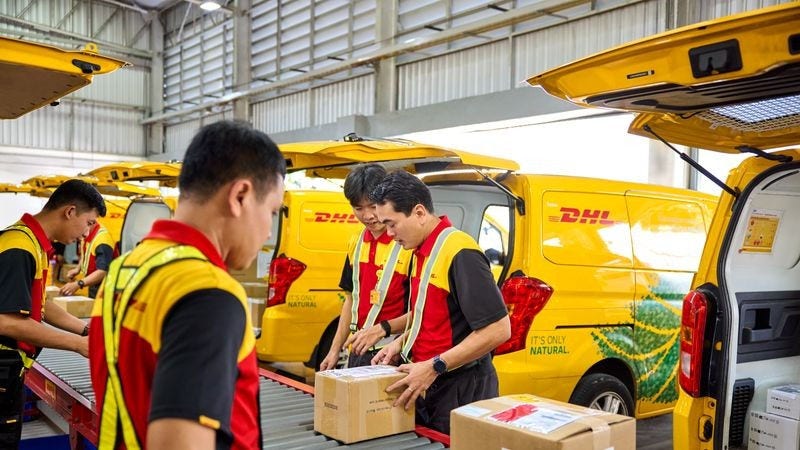
Logistics operations supporting ecommerce fulfillment and cross-border shipping in Malaysia
Why Legal Compliance Matters More Than Ever
Dropshipping may appear simple, but legally it involves multiple layers of responsibility. Governments worldwide are tightening ecommerce regulations, making compliance a foundational requirement for sustainable growth1.
Every transaction today involves a registered business entity, tax reporting obligations, and cross-border legal considerations. Ignoring these can result in frozen accounts, penalties, or legal consequences.
Starting Point: Business Registration in Malaysia
All Malaysian dropshippers must register with the Companies Commission of Malaysia (SSM). However, compliance extends far beyond registration, requiring continuous adherence to financial and legal obligations2.
Beyond registration, businesses must declare income accurately, maintain financial records, and operate as legitimate sellers rather than informal intermediaries. Legal clarity and documentation also play a critical role in enabling long-term scalability3.
Understanding Sales Tax in Dropshipping
Malaysia’s tax system offers unique advantages for dropshippers, including potential sales tax exemptions when transactions are structured correctly4.
To qualify, sellers must ensure proper documentation, a clear supply chain structure, and accurate reporting. Misunderstanding these rules can lead to audits or missed opportunities for cost savings.
Cross-Border Dropshipping: Increasing Complexity
Many Malaysian dropshippers sell to international markets, which introduces additional tax obligations. For instance, European countries impose VAT requirements that directly affect pricing and reporting5.
Even when operating remotely, sellers may need to comply with local tax laws in countries like Spain, including registration and periodic tax filings6.
This highlights a key reality: dropshipping is not limited to one jurisdiction but operates across multiple legal systems simultaneously.
Selling to the US Without an LLC
Malaysian sellers often assume they can operate in the US without formal structures, but tax obligations may still apply depending on their business setup7.
This may include sales tax collection and income reporting. While starting without a US entity is possible, scaling typically requires more structured compliance.
The UK Market and Strict Enforcement
The UK enforces strict ecommerce tax regulations, and sellers targeting this market face significant compliance requirements8.
Failure to comply can result in VAT penalties, account suspension, or even business deregistration. This reflects a broader global trend toward stricter enforcement.
Lessons from Emerging Markets
Countries with rapidly growing ecommerce sectors are implementing stricter frameworks to regulate online businesses, reinforcing the importance of compliance from the early stages9.
Malaysia is following a similar trajectory, making early adoption of proper legal and tax practices a strategic advantage.
Community Insights and Real Challenges
Many Malaysian dropshippers actively seek clarity on compliance, particularly around business registration, tax reporting, and international sales obligations10.
These discussions highlight that while rules exist, understanding and applying them correctly remains a challenge for many sellers.
The Role of Modern Ecommerce Platforms
Platforms like TikTok Shop are accelerating ecommerce growth, increasing transaction speed and global reach, but also raising compliance requirements11.
As sales volume grows, accurate tax reporting and regulatory compliance become even more critical.
Building a Fully Compliant Business
A sustainable dropshipping business in Malaysia requires integrating local and international compliance frameworks into daily operations12.
- Registering with SSM
- Declaring income accurately
- Understanding sales tax rules
- Managing international tax obligations
- Maintaining proper financial records
- Ensuring platform compliance
The Big Picture: Compliance as Strategy
Compliance is no longer just about avoiding penalties. It is now a strategic advantage that enables businesses to scale, access global markets, and operate without disruption.
With increasing oversight from governments, marketplaces, and payment providers, businesses that prioritize compliance are better positioned for long-term success.
Frequently Asked Questions
Question: Do I need to register an SSM business to start dropshipping in Malaysia?
Answer: Yes, registering your business with SSM is mandatory for operating legally in Malaysia, even for small-scale dropshipping activities.
Question: Do Malaysian dropshippers need to pay taxes on international sales?
Answer: Yes, income earned from international sales must be reported, and you may also need to comply with tax laws in the countries you sell to.
Question: Can I run a dropshipping business without worrying about VAT or foreign taxes?
Answer: No, if you sell to countries with VAT systems like the UK or EU, you may need to register, charge VAT, and file returns בהתאם to local regulations.
Disclaimer: The information is provided for general information only. BridgeProperties makes no representations or warranties in relation to the information, including but not limited to any representation or warranty as to the fitness for any particular purpose of the information to the fullest extent permitted by law. While every effort has been made to ensure that the information provided in this article is accurate, reliable, and complete as of the time of writing, the information provided in this article should not be relied upon to make any financial, investment, real estate or legal decisions. Additionally, the information should not substitute advice from a trained professional who can take into account your personal facts and circumstances, and we accept no liability if you use the information to form decisions.