)
.webp)
AI-driven Property Intelligence Malaysia: How AI Is Reshaping Real Estate in 2026
Key Takeaways
- AI-Powered Decision Making: Real estate decisions are increasingly driven by predictive analytics and automation.
- Smarter Valuations: AI enhances pricing accuracy using sentiment analysis and real-time data.
- Efficient Property Management: Automation reduces costs and improves tenant experiences.
- Urban Planning Transformation: AI enables better land use and smarter city development strategies.
- Sustainability Integration: Smart buildings optimize energy usage and reduce environmental impact.
The Rise of AI-driven Property Intelligence Malaysia
AI-driven Property Intelligence Malaysia is quickly becoming one of the most exciting developments in real estate, shifting the industry from manual processes to data-driven strategies powered by automation and predictive models1.
The launch of advanced platforms like MPIC demonstrates how multiple data sources can be unified into a single intelligent system, enabling users to interpret trends, pricing, and opportunities with clarity and speed2.
By integrating analytics into everyday decision-making, the industry is moving toward faster, lower-risk investments supported by structured insights instead of fragmented information3.
)
Advanced analytics interface displaying integrated property data and predictive insights
Smarter Property Valuation with AI
Traditional property valuation methods often overlook intangible factors such as public perception and emerging trends, but AI introduces new capabilities through natural language processing and sentiment analysis4.
By analyzing news, social media, and discussions, AI can capture real-time market sentiment, adding behavioral context to pricing and improving valuation accuracy beyond traditional models5.
AI and Land Value: Smarter Cities, Better Returns
AI is also transforming how land is utilized, enabling planners to forecast the impact of infrastructure and identify high-value development zones with greater precision6.
These predictive capabilities allow cities to move from reactive planning to proactive strategies, aligning urban growth with economic returns and long-term sustainability goals7.
Property Management Gets an AI Upgrade
AI is streamlining property management by automating routine tasks such as tenant communication, payment tracking, and maintenance scheduling, significantly reducing operational inefficiencies8.
This shift enables property managers to respond faster, lower costs, and deliver better tenant experiences through proactive systems rather than reactive processes.
Smart Buildings and Sustainability
Smart building technologies powered by AI are transforming how properties operate, optimizing lighting, energy use, and environmental controls through continuous learning systems9.
These systems reduce energy consumption and environmental impact while improving comfort and operational efficiency, making sustainability a core component of modern real estate.
AI in Property Insurance: A Hidden Revolution
AI is also reshaping property insurance by enabling more accurate risk assessments through detailed property data analysis, improving underwriting decisions and speeding up claims processing10.
Advanced platforms can evaluate properties at scale, allowing insurers to detect risks more effectively and provide better coverage with fewer uncertainties11.
AI-Driven Materials: The Future of Construction
Beyond analytics, AI is influencing construction by enabling the discovery of advanced materials that are stronger, more durable, and environmentally friendly12.
This innovation could lead to longer-lasting buildings with reduced maintenance needs, supporting both economic and environmental goals in the property sector.
The Bigger Picture: A Growing AI Market
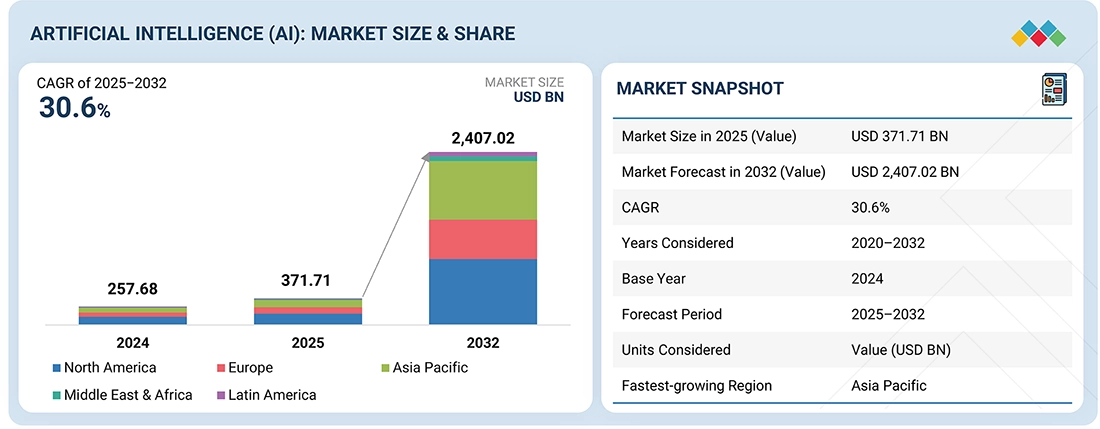
The rapid expansion of AI across industries highlights its growing importance, with strong market projections indicating continued adoption in real estate and beyond13.
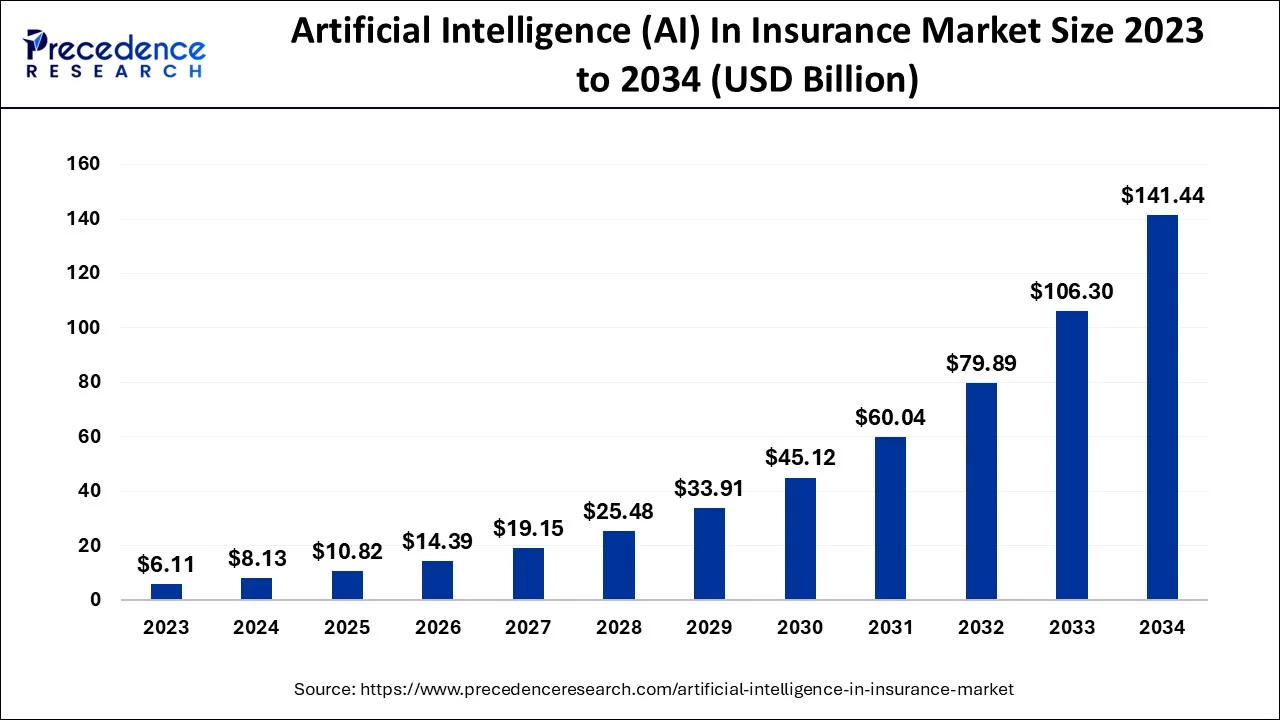
Even sectors like insurance are experiencing significant AI-driven growth, reinforcing the broader ecosystem that supports property intelligence advancements14.
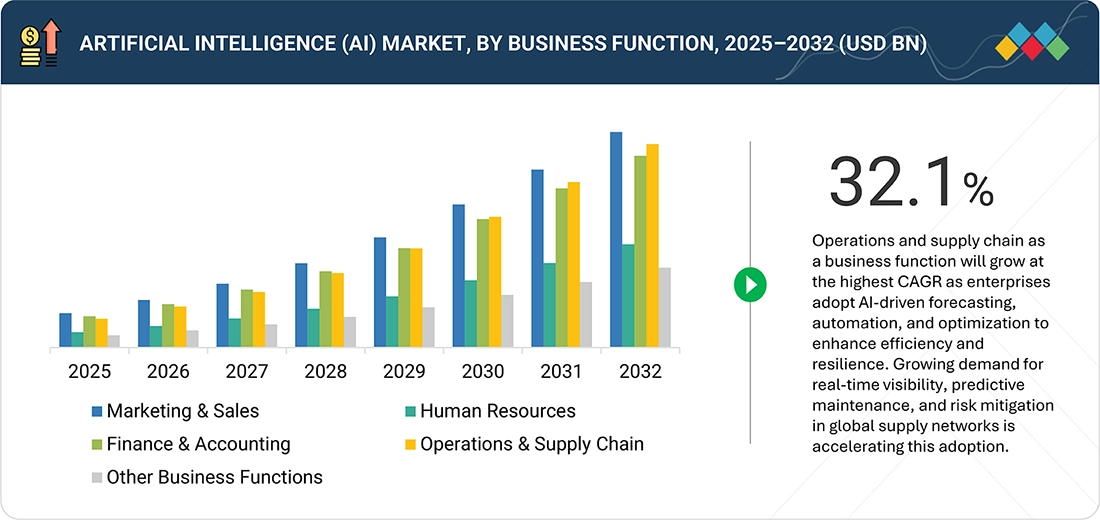
Market segmentation also shows how AI is spreading into property-related use cases, confirming that this transformation is part of a much larger global shift15.
What This Means for Buyers, Investors, and Businesses
AI-driven tools are reshaping how individuals and businesses approach property decisions, offering clearer insights, faster analysis, and reduced uncertainty in both buying and investment strategies.
- Improved Pricing Accuracy: Buyers can better understand fair market value.
- Faster Insights: Investors gain real-time access to trends and opportunities.
- Operational Efficiency: Property managers automate repetitive tasks.
The Challenges to Watch
Despite its advantages, AI adoption comes with challenges such as data privacy concerns, reliance on data quality, and high implementation costs.
Balancing AI capabilities with human judgment remains essential to ensure responsible and effective use of technology in real estate.
The Future of AI-driven Property Intelligence Malaysia
The future points toward deeper integration of AI into everyday real estate operations, with more accurate predictions and broader accessibility for smaller players.
As innovation continues, fully automated investment platforms and real-time valuation systems may become standard, positioning Malaysia as a key player in this evolving landscape.
Final Thoughts
AI-driven Property Intelligence Malaysia represents a fundamental shift in how the property market operates, transforming everything from valuation to management and planning.
Real estate is no longer just about location, but about data, intelligence, and timing, with AI serving as the driving force behind smarter decisions in 2026 and beyond.
Frequently Asked Questions
Question: What is AI-driven property intelligence?
Answer: It refers to the use of artificial intelligence to analyze property data, predict trends, and support smarter real estate decisions.
Question: How does AI improve property valuation?
Answer: AI enhances valuation by analyzing large datasets, including sentiment and market trends, to provide more accurate pricing insights.
Question: Is AI replacing human roles in real estate?
Answer: AI is not replacing humans but augmenting their capabilities by automating tasks and providing better data-driven insights.
Disclaimer: The information is provided for general information only. BridgeProperties makes no representations or warranties in relation to the information, including but not limited to any representation or warranty as to the fitness for any particular purpose of the information to the fullest extent permitted by law. While every effort has been made to ensure that the information provided in this article is accurate, reliable, and complete as of the time of writing, the information provided in this article should not be relied upon to make any financial, investment, real estate or legal decisions. Additionally, the information should not substitute advice from a trained professional who can take into account your personal facts and circumstances, and we accept no liability if you use the information to form decisions.