)
.webp)
Renting Properties in Malaysia: A Complete Guide to the Market in 2026
Key Takeaways
- Growing Rental Demand: Increasing urbanization and lifestyle shifts are driving more people to rent instead of buy.
- Digital Transformation: Online platforms and mobile apps are now central to finding and managing rental properties.
- Diverse Property Options: Malaysia offers a wide range of rental types from high-rise condos to landed homes.
- Tenant Challenges: Issues like affordability and discrimination still affect parts of the market.
- Investor Opportunities: Rental properties can generate income but come with risks like vacancies and maintenance costs.
The Current State of Renting Properties in Malaysia
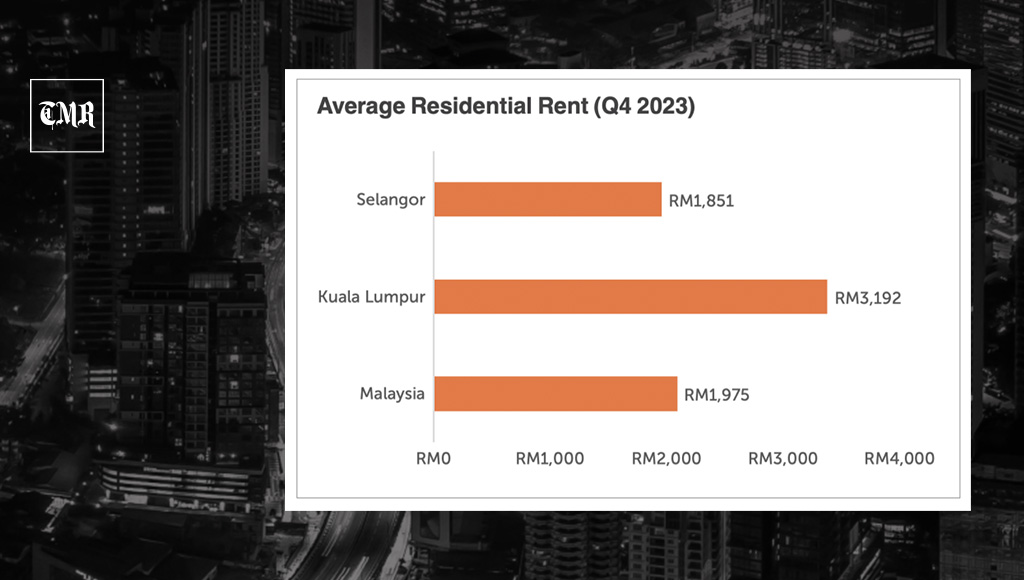
Malaysia’s rental market is growing steadily, with rental prices increasing by around 5.5% in recent years, reflecting strong nationwide demand1.
This growth is driven by urban migration, lifestyle flexibility, and increasing interest from expatriates and investors entering the rental space2.
At the same time, supply continues to expand with new residential developments and condominiums being completed, giving renters more choices while increasing competition among landlords3.
How People Find Rental Properties Today
In 2026, most renters in Malaysia begin their search online using digital platforms that provide access to thousands of listings, enabling easier comparison and faster decision-making.
Mobile apps and property platforms have reshaped renter expectations, with users now demanding real-time updates, virtual tours, and instant communication with agents or landlords4.
)
Digital property platforms showcasing modern rental apartments with lifestyle-focused amenities and detailed listings
Types of Rental Properties Available
Malaysia offers a diverse range of rental properties suited for different lifestyles, budgets, and preferences, from urban apartments to suburban homes.
1. High-rise Condominiums
Common in major cities, these properties typically include security, gyms, swimming pools, and parking facilities.
2. Landed Houses
Located mostly in suburban areas, these include terrace houses, semi-detached homes, and bungalows offering more space and privacy.
3. Serviced Apartments
Fully furnished and designed for convenience, these units are popular among expatriates and professionals.
4. Short-Term Vacation Rentals
Short-term rental platforms have expanded the market by catering to tourists and temporary residents, adding flexibility to the rental ecosystem5.
Renting as a Tenant: What You Need to Know
Renting a property in Malaysia is relatively straightforward, but understanding the financial and legal aspects is essential to avoid complications.
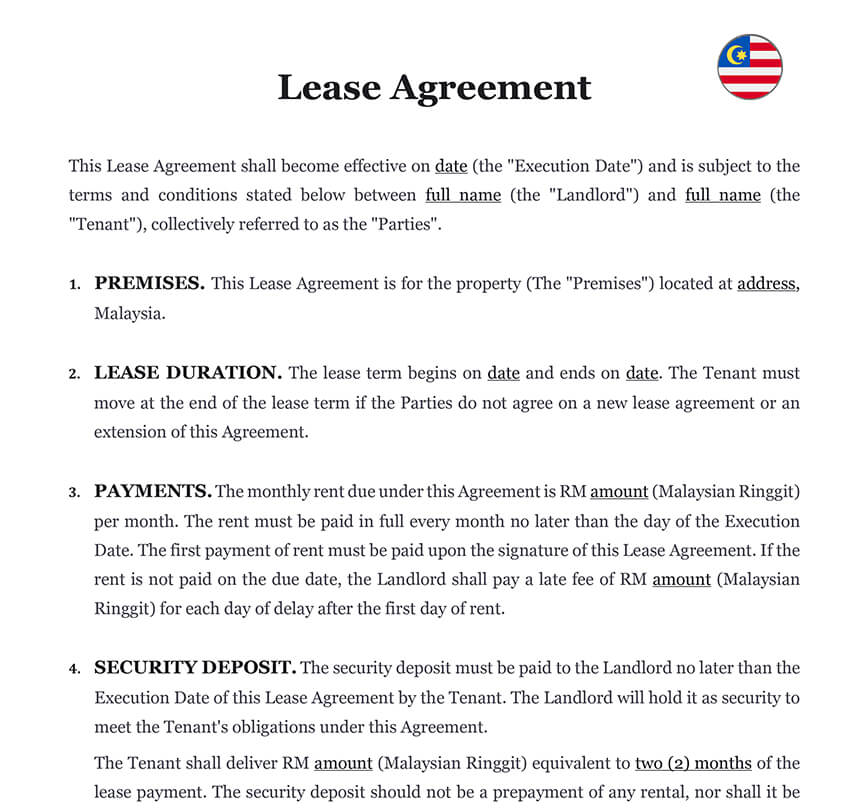
A formal lease agreement is crucial as it defines rental terms, responsibilities, and deposit conditions, helping both parties avoid disputes6.
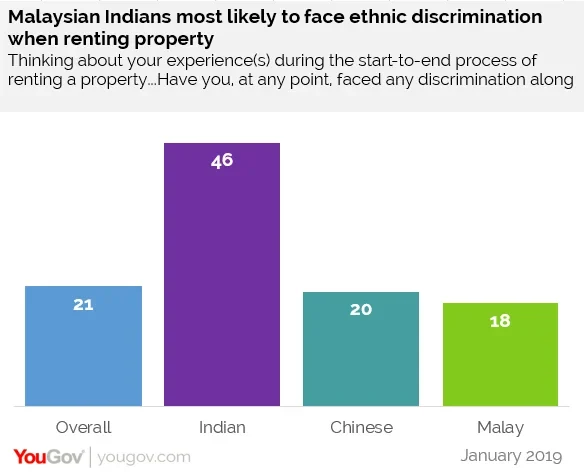
However, social challenges remain, as studies indicate that about one in five Malaysians have experienced ethnic discrimination in the rental process7.
Renting as a Landlord: Opportunities and Risks
For landlords, rental properties can generate steady income, but success depends on proper planning, pricing, and tenant management.
Many new landlords rely on shared community experiences to understand how to prepare properties, set competitive rental rates, and screen tenants effectively8.
There are also considerations around financing and regulations, as some property owners question whether units can be rented immediately after purchase depending on contractual terms9.
Opinions on property investment remain mixed, with some highlighting stable returns while others point to risks such as maintenance costs and vacancy periods10.
The Role of Foreign Investors and MM2H Participants
Foreign investors, including participants of long-term residency programs, continue to play a role in Malaysia’s property market.
However, uncertainties remain regarding short-term rentals, licensing, and compliance, especially for those using platforms like Airbnb11.
Additional discussions highlight concerns about regulatory clarity and permitted property usage for foreign-owned units12.
Technology Is Reshaping the Rental Experience
Technology continues to transform Malaysia’s rental market by making property searches faster, more transparent, and highly accessible.
Modern platforms now offer integrated services such as virtual tours, digital contracts, and data-driven pricing tools, improving efficiency for both tenants and landlords13.
Key Challenges in the Rental Market
Despite its growth, the rental market faces several ongoing challenges, including affordability pressures in urban areas, evolving regulations, and social concerns.
In some locations, oversupply of residential units has also led to increased competition among landlords, influencing pricing strategies and occupancy rates.
Tips for Renters in 2026
- Start Early: Begin searching ahead of time to secure better options.
- Compare Listings: Review multiple properties before making a decision.
- Inspect Carefully: Always check the property physically or via virtual tours.
- Understand Agreements: Read lease terms thoroughly before signing.
- Know Your Rights: Be aware of tenant protections and responsibilities.
Tips for Landlords in 2026
- Competitive Pricing: Set realistic rental rates based on market trends.
- Property Maintenance: Keep units in good condition to attract tenants.
- Leverage Platforms: Use digital tools to reach a wider audience.
- Tenant Screening: Carefully evaluate potential tenants.
- Stay Informed: Keep up with changing laws and regulations.
What the Future Looks Like
The future of renting in Malaysia is shaped by continued urbanization, population growth, and evolving lifestyle preferences that favor flexibility.
Technology will further streamline rental processes, but addressing affordability and regulatory clarity will remain key to ensuring a balanced and inclusive market.
Final Thoughts
Renting properties in Malaysia in 2026 reflects a dynamic and evolving market influenced by digital transformation, economic factors, and social trends.
Both tenants and landlords must stay informed and adaptable to navigate opportunities and challenges effectively in this competitive landscape.
Understanding the current market conditions is essential for making smarter decisions and maximizing the benefits of renting or investing in property.
Frequently Asked Questions
Question: What is the average rental deposit in Malaysia?
Answer: Typically, tenants are required to pay two months’ rent as a security deposit, half a month for utilities, and one month’s rent in advance.
Question: Is renting better than buying property in Malaysia?
Answer: It depends on individual financial goals and lifestyle preferences, as renting offers flexibility while buying provides long-term investment potential.
Question: Are short-term rentals allowed in Malaysia?
Answer: Regulations vary by location and property type, so it is important to check local rules and building policies before listing a property for short-term rental.
Disclaimer: The information is provided for general information only. BridgeProperties makes no representations or warranties in relation to the information, including but not limited to any representation or warranty as to the fitness for any particular purpose of the information to the fullest extent permitted by law. While every effort has been made to ensure that the information provided in this article is accurate, reliable, and complete as of the time of writing, the information provided in this article should not be relied upon to make any financial, investment, real estate or legal decisions. Additionally, the information should not substitute advice from a trained professional who can take into account your personal facts and circumstances, and we accept no liability if you use the information to form decisions.