)

Malaysia Home Improvement Market Growth: Trends, Data, and What It Means in 2026
Key Takeaways
- Steady Market Expansion: Malaysia’s home improvement sector continues to grow consistently with strong projections through 2030.
- Urban Lifestyle Impact: Increasing urbanization is driving demand for compact, functional, and efficient living spaces.
- DIY Culture Growth: More consumers are adopting do-it-yourself solutions for affordability and personalization.
- Technology Integration: Digital platforms and smart solutions are transforming how services are accessed.
- Rising Consumer Expectations: Buyers now prioritize convenience, customization, and speed in home improvement projects.
A Market on the Rise
The story of Malaysia Home Improvement Market Growth is no longer just about paint, tools, and renovation work. In 2026, it has evolved into a dynamic, tech-influenced industry shaped by changing lifestyles and rising income levels. Malaysians are increasingly investing in their homes as spaces for work, comfort, and personal expression1.
The market has shown consistent growth since 2019 and is expected to continue expanding steadily toward 2030, supported by urban migration, higher disposable incomes, and evolving lifestyle expectations2.
In simple terms, homes today are no longer just places to live—they are multifunctional environments that reflect personal identity and modern living standards3.
What the Numbers Show
)
Steady upward trajectory of Malaysia’s home improvement market driven by long-term demand and modernization trends
The long-term trajectory of Malaysia Home Improvement Market Growth highlights a clear upward trend. Even during uncertain periods, demand has remained resilient, indicating that home upgrades are increasingly viewed as essential rather than optional4.
Urban Living Is Changing Everything
Urbanization continues to reshape how Malaysians approach home improvement. As city populations grow and living spaces shrink, there is a stronger need for smart storage, space-saving designs, and functional upgrades that maximize limited areas5.
Rather than upgrading to larger homes, many homeowners are choosing to renovate and optimize their current spaces, which is driving demand for creative solutions and renovation services.
The Rise of DIY Culture
DIY home improvement is gaining popularity across Malaysia as consumers look for affordable and flexible ways to upgrade their homes. This shift reflects a growing desire for personalization and hands-on involvement in home design.
Consumers are increasingly taking on small repairs, decor changes, and customization projects themselves, reducing reliance on professional services while gaining greater control over outcomes.
Mr. DIY: From One Store to a $5 Billion Empire
One of the most prominent examples of this trend is the rapid rise of a leading home improvement retailer that grew from a single store into a multi-billion-dollar enterprise by focusing on affordability and accessibility6.
The brand’s wide range of low-cost tools, household items, and DIY kits has made home improvement more accessible to everyday consumers, reflecting strong market demand7.
At the same time, consumer discussions online highlight both enthusiasm and concerns about product quality, signaling a maturing market where buyers are becoming more selective8.
Beyond Tools: The Growth of Home Decor
Home improvement in Malaysia now extends beyond functionality into aesthetics and lifestyle enhancement. The home decor segment is expanding steadily, driven by demand for visually appealing and personalized living spaces9.
Consumers are investing in furniture, lighting, and design elements that enhance both comfort and visual appeal, reflecting a broader shift toward lifestyle-driven home upgrades.
Innovation in Products and Materials
Product innovation is playing a major role in shaping Malaysia Home Improvement Market Growth. Companies are increasingly offering integrated solutions that combine multiple aspects of renovation and maintenance10.
This includes combining paints, sealants, and construction materials into unified systems, making it easier for consumers to manage projects efficiently and with greater reliability.
The Digital Shift: On-Demand Home Services
Technology is transforming how home improvement services are accessed in Malaysia. Online platforms are enabling users to quickly connect with service providers, compare prices, and schedule repairs with ease11.
This digital shift is making home maintenance more convenient and efficient, especially for urban consumers who value speed and transparency.
Financing the Upgrade: The Role of Personal Loans
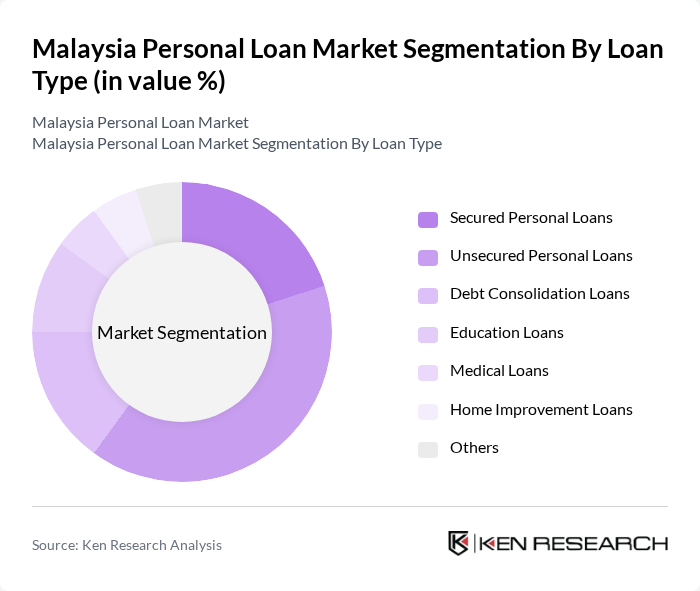
Financing options are becoming increasingly important as home improvement projects grow in scale and cost. Many Malaysians are turning to personal loans to fund renovations and upgrades12.
This trend helps reduce upfront financial barriers, allowing more homeowners to invest in improving their living spaces.
Malaysia in the ASEAN Context
Malaysia is part of a broader ASEAN home improvement market experiencing strong growth driven by urban expansion, rising incomes, and increased housing development13.
Within the region, Malaysia stands out due to its strong retail presence, growing DIY culture, and expanding service ecosystem.
Changing Consumer Behavior
Consumer expectations are evolving rapidly, with increasing emphasis on convenience, affordability, and customization. Digital platforms and online reviews are also playing a major role in shaping purchasing decisions.
As a result, businesses must focus on delivering consistent quality and building trust to remain competitive in this evolving market.
Challenges in the Market
- Quality vs. Cost: Balancing affordability with product durability remains a key challenge.
- Skilled Labor Shortage: Rising demand is putting pressure on the availability of skilled workers.
- Competition: Both local and international brands are competing aggressively.
- Economic Sensitivity: Consumer spending on large renovations depends on economic conditions.
What to Expect Next
- Smart Home Growth: Increased adoption of connected and automated home solutions.
- Sustainability Focus: Greater use of eco-friendly materials and designs.
- Flexible Living: Demand for modular and adaptable spaces.
- Digital Expansion: Continued growth of online service platforms.
Final Thoughts
Malaysia’s home improvement market has evolved into a dynamic and essential sector that reflects how people live today.
Driven by urbanization, digital transformation, and changing consumer preferences, the industry continues to expand across retail, services, and design.
As these trends accelerate, Malaysia Home Improvement Market Growth is set to remain a key area of opportunity and innovation well beyond 2026.
Frequently Asked Questions
Question: What is driving the growth of Malaysia’s home improvement market?
Answer: The growth is mainly driven by urbanization, rising incomes, lifestyle changes, and increased demand for comfortable and functional living spaces.
Question: Why is DIY becoming popular in Malaysia?
Answer: DIY is gaining traction because it is cost-effective, allows personalization, and gives homeowners more control over their projects.
Question: What role does technology play in home improvement?
Answer: Technology enables easier access to services, faster booking, price comparisons, and the integration of smart home solutions.
Disclaimer: The information is provided for general information only. BridgeProperties makes no representations or warranties in relation to the information, including but not limited to any representation or warranty as to the fitness for any particular purpose of the information to the fullest extent permitted by law. While every effort has been made to ensure that the information provided in this article is accurate, reliable, and complete as of the time of writing, the information provided in this article should not be relied upon to make any financial, investment, real estate or legal decisions. Additionally, the information should not substitute advice from a trained professional who can take into account your personal facts and circumstances, and we accept no liability if you use the information to form decisions.