)
.webp)
Malaysia Home Improvement Market Growth: Why Everyone Is Upgrading Their Homes in 2026
Key Takeaways
- Rapid Market Growth: Malaysia’s home improvement sector is expanding steadily and is expected to continue growing beyond 2030.
- Lifestyle-Driven Demand: Changing lifestyles, remote work, and DIY culture are key drivers of renovation activity.
- Retail Expansion: Major players like MR DIY highlight strong consumer demand for affordable home solutions.
- Technology Integration: Online platforms and smart home solutions are reshaping how homeowners upgrade their spaces.
- Design Matters More: Aesthetic appeal and functionality are equally influencing home improvement decisions.
A Market on the Rise
Malaysia’s home improvement sector has been growing steadily for years, with consistent expansion observed in recent periods and strong expectations for continued growth into the future1.
Projections indicate that this momentum will continue through 2030, supported by urbanization, rising incomes, evolving lifestyles, and increasing interest in DIY activities2.
This growth reflects a broader regional pattern across Southeast Asia, where homeowners are investing more into comfort, functionality, and design as living standards improve3.
Why Malaysians Are Spending More on Their Homes
1. More Homeowners, More Renovations
New housing developments continue to stimulate renovation demand as homeowners customize newly purchased properties or refresh older homes to match modern expectations4.
2. A Shift Toward DIY Culture
DIY culture has evolved into a mainstream lifestyle, with more homeowners choosing to handle small upgrades themselves, reducing costs while adding a personal touch to their spaces.
3. Homes as Multi-Use Spaces
Modern homes now serve multiple purposes, functioning as offices, gyms, and relaxation areas, which has significantly increased demand for redesign, furniture upgrades, and functional decor improvements.
The Rise of Retail Giants Like MR DIY
The rapid expansion of large retail chains reflects the strength of this market, with companies scaling from small beginnings into major industry players driven by affordability and accessibility5.
Industry recognition and awards further highlight how significant consumer demand has become within the home improvement space6.
The competitive landscape is also expanding, with multiple retailers capturing market share and offering consumers a wide range of choices7.
Strategic Partnerships Are Shaping the Industry
Collaborations between brands are becoming increasingly important, allowing companies to expand offerings and create more comprehensive home improvement solutions8.
Home Decor Is Booming Too
The home decor segment is experiencing strong growth as consumers prioritize both aesthetics and functionality, driving demand for stylish yet practical home solutions9.
- Decorative lighting
- Wall art
- Smart storage solutions
- Minimalist furniture
The Role of Online Home Services
Digital platforms are transforming the home improvement experience by making it easier to find and book services, offering convenience, speed, and pricing transparency10.
Breaking Down the Market: What People Are Spending On
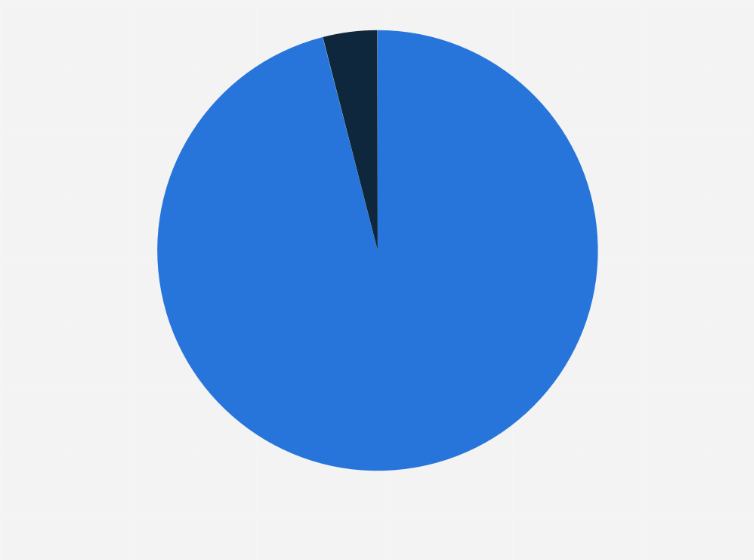
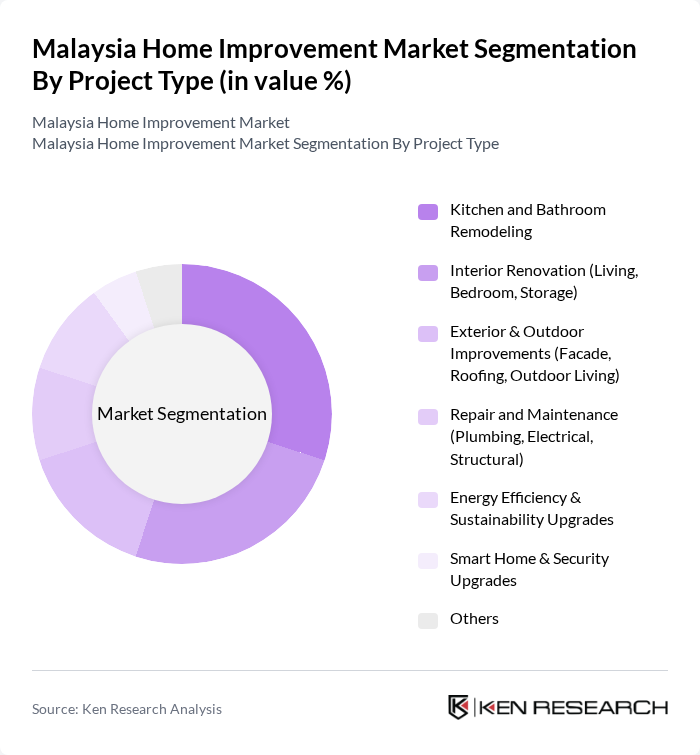
Spending in Malaysia’s home improvement sector is increasingly divided between renovation, extension, and decoration projects, reflecting a balance between functionality upgrades and aesthetic improvements11.
)
Segmentation of home improvement projects highlighting renovation dominance alongside growing decoration trends
Financing Is Making It Easier
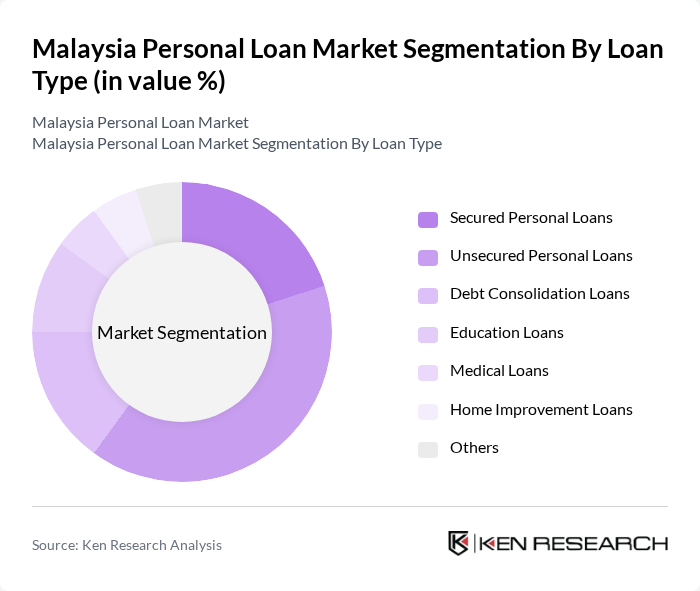
Access to financing options such as personal loans has made it easier for homeowners to undertake renovation projects and manage costs more effectively12.
The Bigger Picture: A Lifestyle Shift
Ultimately, this market growth reflects a deeper lifestyle transformation, where homes are evolving into personalized spaces that support work, relaxation, and family life.
Opportunities for Businesses
- Retailers: Affordable and quality products will remain in high demand.
- Service Providers: Renovation and repair services will continue to grow.
- Tech Companies: Digital platforms and smart home solutions present new opportunities.
- Entrepreneurs: Innovative ideas can still disrupt the market.
Challenges to Watch
- Competition: Increasing market players make differentiation harder.
- Costs: Rising material and labor prices affect margins.
- Expectations: Consumers demand speed, quality, and affordability.
What Comes Next?
- Smart Homes: Integration of technology into everyday living.
- Sustainability: Eco-friendly materials and practices.
- Personalization: Customized home solutions.
- Digital Growth: Continued expansion of online services.
Final Thoughts
Malaysia’s home improvement market has evolved into a major economic and lifestyle sector, driven by changing habits, rising incomes, and rapid technological advancements.
As homeowners continue investing in both functionality and design, the market is set to grow even further, shaping the future of modern living spaces across the country.
Frequently Asked Questions
Question: Why is the home improvement market growing in Malaysia?
Answer: The growth is driven by rising incomes, urbanization, lifestyle changes, and increased interest in DIY and home personalization.
Question: What are Malaysians spending most on in home improvement?
Answer: Spending is mainly focused on renovations, followed by decoration and home upgrades that improve both function and aesthetics.
Question: How is technology impacting home improvement?
Answer: Technology enables easier access to services, smart home integrations, and more convenient ways to plan and execute home upgrades.
Disclaimer: The information is provided for general information only. BridgeProperties makes no representations or warranties in relation to the information, including but not limited to any representation or warranty as to the fitness for any particular purpose of the information to the fullest extent permitted by law. While every effort has been made to ensure that the information provided in this article is accurate, reliable, and complete as of the time of writing, the information provided in this article should not be relied upon to make any financial, investment, real estate or legal decisions. Additionally, the information should not substitute advice from a trained professional who can take into account your personal facts and circumstances, and we accept no liability if you use the information to form decisions.