)
.webp)
Used Car Profit Margin Malaysia: What Dealers Really Make in 2026
Key Takeaways
- Margins Are Misleading: What looks like a large markup often includes significant operational costs.
- Market Forces Matter: Supply, demand, and financing trends heavily influence used car pricing.
- Digital Platforms Shift Pricing: Online marketplaces are tightening margins but increasing sales volume.
- Technology Drives Profit: Efficiency tools and faster turnover now matter more than high markups.
- EVs Change the Game: Electric vehicles are reshaping resale values and dealer strategies.
The Big Question: What Is the Typical Used Car Profit Margin in Malaysia?
There is no fixed number, but real-world discussions give a useful starting point. Many buyers assume that if a car is sold at RM85,000, it may have been purchased at around RM65,000, suggesting a RM20,000 margin1.
However, this assumption ignores the actual cost structure behind used car sales. Dealers must account for refurbishment, financing interest, salaries, rental, marketing, and warranty risks. Once these are included, the real net profit is significantly lower than the visible markup2.
Why Used Cars Feel Expensive Right Now
Many buyers today feel that used cars are priced unusually high, and this perception is widely discussed in online communities3.
The reality is driven by a combination of supply shortages, delayed depreciation, and easier financing options. Limited new car availability pushed demand into the used market, while better loan accessibility allows more buyers to afford higher prices.
Inside Dealer Strategy: How Profit Is Actually Made
Understanding dealer strategy is key to understanding profit margins. Experienced dealers highlight that profits are not made from a single large markup but from multiple smaller revenue streams combined4.
- Faster inventory turnover
- Add-on services like insurance and warranties
- Trade-in pricing margins
- Financing commissions
This approach allows dealers to stay competitive while maintaining overall profitability across volume rather than relying on a single sale.
The Rise of Digital Marketplaces (And Why It Matters)
Digital platforms have transformed how used cars are priced and sold. Large marketplaces use data and scale to standardize pricing, reduce negotiation gaps, and improve transparency5.
For buyers, this creates more consistent pricing. For dealers, it often results in tighter margins but faster sales cycles, making volume more important than ever.
Technology Is Quietly Boosting Dealer Profits
Modern dealerships increasingly rely on technology to improve efficiency and profitability. Tools that analyze vehicles and pricing help reduce errors and speed up decision-making6.
At the same time, dealerships are adopting smarter strategies like dynamic pricing and faster reconditioning processes to maximize returns7.
The EV Effect: A New Profit Equation
Electric vehicles are beginning to reshape the used car market, introducing new variables into pricing and profitability. Global adoption trends show that EV demand is increasing, which directly impacts resale values and dealer margins8.
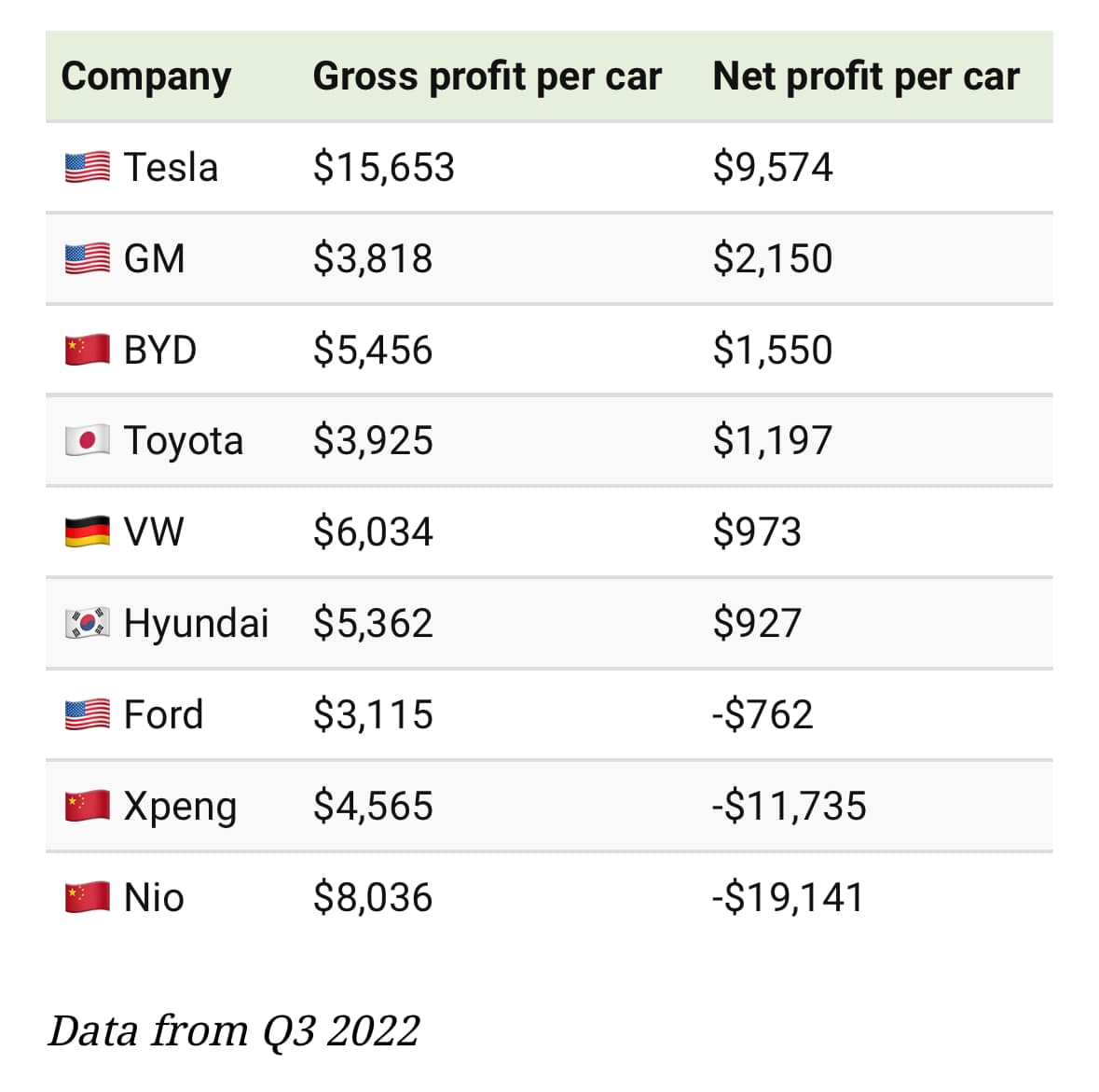
Electric vehicle adoption trends influencing resale values and dealer profit margins
Factors such as battery condition, evolving demand, and uncertain depreciation patterns create both risks and opportunities for dealers entering the EV segment.
Warning Signs: Is the Market Heading for a Drop?
Not all indicators suggest continued growth. Some reports warn of a possible market correction due to oversupply and changing buyer behavior9.
If supply increases faster than demand, pricing pressure could reduce dealer margins significantly in the near future.
Regional Trends: Malaysia Is Not Alone
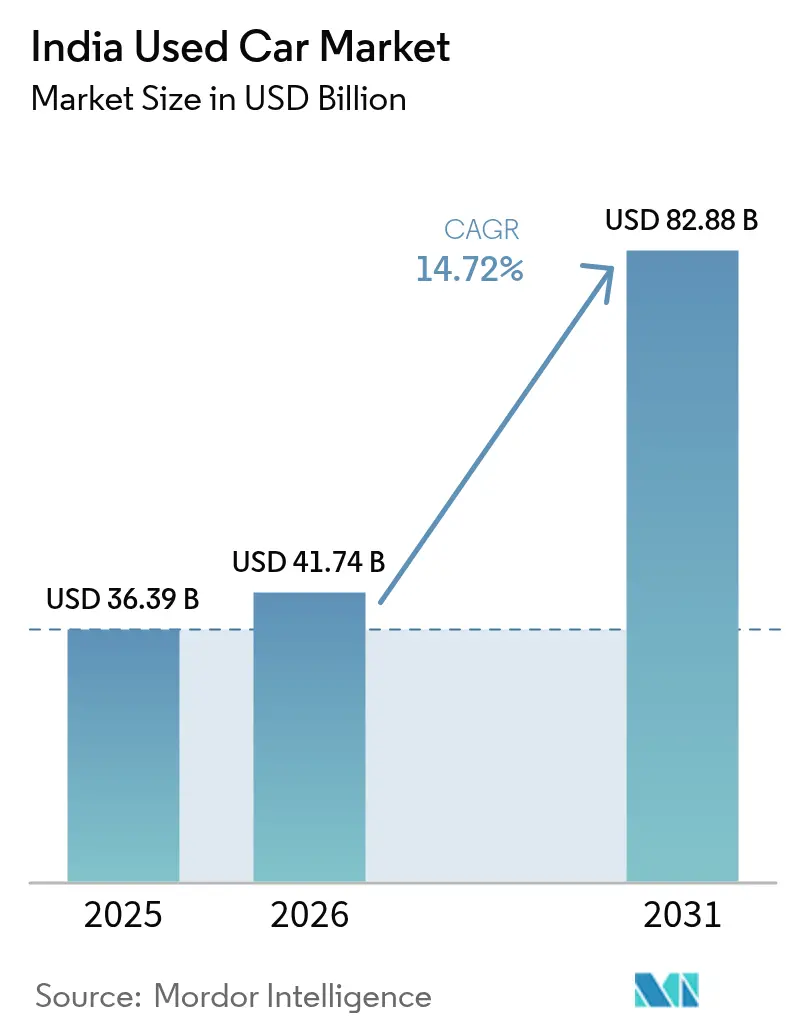
Malaysia’s used car market reflects broader regional patterns. Growth trends in countries like India show increasing demand and shifting consumer preferences10.
Global supply chains, including Japanese exports and import price fluctuations, also play a role in shaping local pricing structures11.
Do Certain Cars Have Higher Dealer Margins?
Yes, certain categories consistently offer better profit potential. Vehicles like luxury sedans and popular SUVs tend to generate higher margins due to strong demand and financing accessibility.
- Luxury sedans (e.g. Mercedes-Benz E-Class)
- Popular SUVs (e.g. Nissan X-Trail)
These vehicles are easier to sell and often retain value better, making them attractive for dealers to stock.
The Reality Check: Are Dealers Overcharging?
While prices may appear inflated, the reality is more complex. Rising operational costs, tighter competition, and increased transparency have made the industry more challenging.
In many cases, dealer margins are actually shrinking despite higher selling prices, especially with the influence of digital platforms and evolving market conditions.
What Buyers Should Know Before Purchasing
- Compare prices across multiple platforms
- Check vehicle history carefully
- Understand the current market value
- Negotiate based on data, not assumptions
A higher price does not always mean excessive profit—it often reflects real market demand and cost structures.
Final Thoughts: The Truth About Used Car Profit Margin Malaysia
The belief that dealers make huge profits on every car is an oversimplification.
In reality, profit margins vary widely and are heavily influenced by costs, technology, and market dynamics. In 2026, success in the used car industry depends less on high markups and more on efficiency, speed, and adaptability.
For buyers, understanding how the system works is far more valuable than guessing dealer profits.
Frequently Asked Questions
Question: What is the average profit margin for used car dealers in Malaysia?
Answer: There is no fixed margin, but while markups may appear high, actual profits are reduced significantly by operational costs and expenses.
Question: Why are used car prices so high in 2026?
Answer: Prices are influenced by strong demand, limited supply, delayed depreciation, and easier financing options.
Question: Do dealers make more money on certain types of cars?
Answer: Yes, luxury cars and popular SUVs often provide better margins due to higher demand and stronger resale value.
Disclaimer: The information is provided for general information only. BridgeProperties makes no representations or warranties in relation to the information, including but not limited to any representation or warranty as to the fitness for any particular purpose of the information to the fullest extent permitted by law. While every effort has been made to ensure that the information provided in this article is accurate, reliable, and complete as of the time of writing, the information provided in this article should not be relied upon to make any financial, investment, real estate or legal decisions. Additionally, the information should not substitute advice from a trained professional who can take into account your personal facts and circumstances, and we accept no liability if you use the information to form decisions.