)
.webp)
Home Improvement Market Growth Malaysia: Why Everyone Is Renovating in 2026
Key Takeaways
- Strong Market Growth: Malaysia’s home improvement sector is expanding steadily with rising consumer spending.
- DIY Culture Boom: More homeowners are taking renovation into their own hands with accessible tools and guidance.
- Retail Expansion: Major players like MR DIY are making home improvement affordable and widespread.
- Changing Preferences: Consumers now focus on aesthetics, comfort, and personalization.
- Future Potential: Technology, sustainability, and smart homes will shape the next phase of growth.
A Market on the Rise
Malaysia’s home improvement market has been steadily growing over recent years, showing consistent increases in size and consumer spending. This reflects a broader shift in how people view their homes—not just as living spaces, but as environments worth investing in for comfort and personalization1.
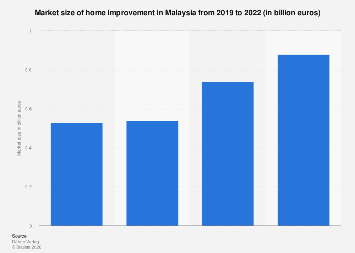
Growth trend reflecting increasing consumer spending in Malaysia’s home improvement sector over recent years
This upward momentum is expected to continue as more homeowners invest in renovations, maintenance, and upgrades, supported by evolving consumer needs and market dynamics2.
What’s Driving the Growth?
1. The Rise of DIY Culture
DIY has become a mainstream lifestyle choice in Malaysia, with homeowners increasingly taking on projects themselves. This shift is driven by both cost savings and the satisfaction of personalizing living spaces, supported by easier access to tools and tutorials.
Retailers and platforms have made DIY more accessible through beginner-friendly kits and guidance, helping more people confidently upgrade their homes3.
2. Changing Consumer Mindset
Home improvement is no longer just about fixing issues. Consumers are now prioritizing design, comfort, and lifestyle enhancements, reflecting a deeper emotional and functional connection to their homes4.
This shift shows that homes are increasingly seen as personal spaces that reflect identity and lifestyle choices rather than just basic shelters.
3. More Spending Power and Financing Options
Financial accessibility has also played a key role in market growth. With more financing options available, homeowners are able to take on larger and more ambitious renovation projects without delaying improvements5.
The Retail Boom: MR DIY and Beyond
The rapid expansion of major retail players has made home improvement more accessible than ever. Large chains offer affordable products, wide selections, and convenient locations, bringing DIY and renovation within reach for everyday consumers6.
This accessibility has significantly contributed to the normalization of home upgrades as part of everyday life rather than occasional major projects7.
Malaysia in the ASEAN Context
Malaysia’s growth is part of a broader regional trend, with ASEAN countries experiencing similar increases in home improvement activities. Factors such as urbanization, rising incomes, and growing home ownership are driving this shared momentum8.
Global Trends Shaping Local Growth
Globally, the home improvement market is expanding rapidly, with continued innovation and demand expected in the coming years. These global developments influence Malaysia through new technologies, design ideas, and service models9.
Long-term projections also indicate sustained global demand for home upgrades, reinforcing the sector’s importance in both developed and emerging markets10.
Lessons from Mature Markets
More developed markets demonstrate how strong supply chains, large-scale retail operations, and high consumer spending can shape a mature home improvement industry, offering a potential roadmap for Malaysia’s future growth11.
Ongoing market analysis continues to track how Malaysia’s sector evolves, highlighting opportunities for innovation and expansion as consumer needs change12.
What Malaysians Are Actually Upgrading
Homeowners are focusing on meaningful upgrades that improve both aesthetics and functionality. Popular projects include kitchen remodeling, bathroom renovations, smart home installations, and energy-efficient improvements.
The Role of Technology
Technology is transforming how people approach home improvement. From online tutorials to design apps and e-commerce platforms, digital tools are making it easier for homeowners to plan and execute projects efficiently.
Challenges to Watch
Despite strong growth, challenges such as rising material costs, supply chain disruptions, and skilled labor shortages could impact the pace of expansion in the industry.
What the Future Looks Like
The future of the Home Improvement Market Growth Malaysia looks promising, with continued interest in DIY projects, eco-friendly renovations, and smart home solutions driving innovation and demand.
Final Thoughts
Malaysia’s home improvement market is evolving into a lifestyle-driven industry where personalization, comfort, and long-term value take center stage. As more homeowners invest in their living spaces, the sector is set to remain a key contributor to the country’s economic and consumer landscape.
Frequently Asked Questions
Question: Why is home improvement growing rapidly in Malaysia?
Answer: Growth is driven by rising consumer spending, increased interest in DIY projects, and a shift toward more personalized and functional living spaces.
Question: What types of home upgrades are most popular?
Answer: Common upgrades include kitchen and bathroom renovations, smart home installations, and energy-efficient improvements.
Question: Is DIY home improvement becoming more common?
Answer: Yes, DIY has become mainstream due to accessible tools, online tutorials, and the desire for cost savings and creative control.
Disclaimer: The information is provided for general information only. BridgeProperties makes no representations or warranties in relation to the information, including but not limited to any representation or warranty as to the fitness for any particular purpose of the information to the fullest extent permitted by law. While every effort has been made to ensure that the information provided in this article is accurate, reliable, and complete as of the time of writing, the information provided in this article should not be relied upon to make any financial, investment, real estate or legal decisions. Additionally, the information should not substitute advice from a trained professional who can take into account your personal facts and circumstances, and we accept no liability if you use the information to form decisions.