)
.webp)
Comparing Renting Versus Buying Property in Malaysia: What Makes Sense in 2026?
Key Takeaways
- Renting Offers Flexibility: Ideal for those prioritizing mobility and lower upfront costs.
- Buying Builds Equity: Property ownership supports long-term wealth accumulation and stability.
- Costs Go Beyond Monthly Payments: Both renting and buying come with hidden financial considerations.
- Market Conditions Matter: Interest rates, property prices, and rental yields can shift the financial advantage.
- Personal Goals Are Key: The best choice depends on lifestyle, career stage, and financial readiness.
Why This Question Matters More in 2026
Malaysia’s housing market continues to evolve with changing economic conditions, urban migration, and lifestyle shifts influencing how people approach property decisions. Financial readiness, job stability, and long-term planning are increasingly important factors when deciding whether to rent or buy1.
At the same time, public opinion remains divided, with many Malaysians actively debating the pros and cons of each option. Some see buying as a path to wealth, while others view renting as a way to avoid financial pressure and maintain flexibility2.
Renting in Malaysia: Freedom Comes First
Renting is often the easiest way to access housing, especially for younger individuals or those early in their careers. With minimal upfront costs compared to buying, it allows people to secure accommodation without committing to large financial obligations.
It also offers unmatched flexibility. Whether relocating for work or exploring different neighborhoods, renting makes it easier to adapt to life changes without being tied down to a single property3.
Another major advantage is reduced responsibility. Maintenance, repairs, and unexpected issues are typically handled by landlords, which lowers stress and financial uncertainty.
However, long-term renting can become expensive over time, with cumulative payments adding up significantly while offering no ownership or equity in return4.
Buying Property in Malaysia: Stability and Investment
Buying a home is often associated with stability and long-term financial growth. Property ownership allows individuals to build equity over time while potentially benefiting from appreciation in property value.
It also provides greater control over living conditions, eliminating concerns about rent increases or landlord decisions. This sense of permanence is particularly valuable for families seeking long-term security.
That said, ownership comes with ongoing financial responsibilities. Beyond mortgage payments, homeowners must account for maintenance, taxes, insurance, and interest costs, all of which can significantly impact overall affordability5.
The Math Behind Renting vs Buying
Financially, the decision between renting and buying is not always straightforward. In some cases, renting may be the smarter option depending on market conditions such as property price growth, rental yields, and interest rates6.
Tools like financial calculators can help individuals compare scenarios and better understand the long-term implications of each choice, making it easier to align decisions with personal financial goals7.
Ultimately, running the numbers based on real data is essential, as assumptions about property always increasing in value or renting being cheaper may not hold true in every situation.
What Malaysians Are Really Saying
Real-life experiences highlight how personal this decision can be. Many individuals share regrets about buying too early or renting for too long, showing that timing and personal circumstances play a crucial role.
Discussions within communities also emphasize lifestyle considerations, such as the importance of stability for families and children, which often leads to a preference for homeownership8.
Key Questions to Ask Yourself
- Financial Readiness: Can you comfortably afford upfront and ongoing costs?
- Income Stability: Is your job secure enough for long-term commitments?
- Long-Term Plans: Do you plan to stay in one place for several years?
- Responsibility Tolerance: Are you ready for maintenance and ownership duties?
- Future Goals: Does your decision align with your financial and lifestyle plans?
A Middle Ground: Rent-to-Own Options
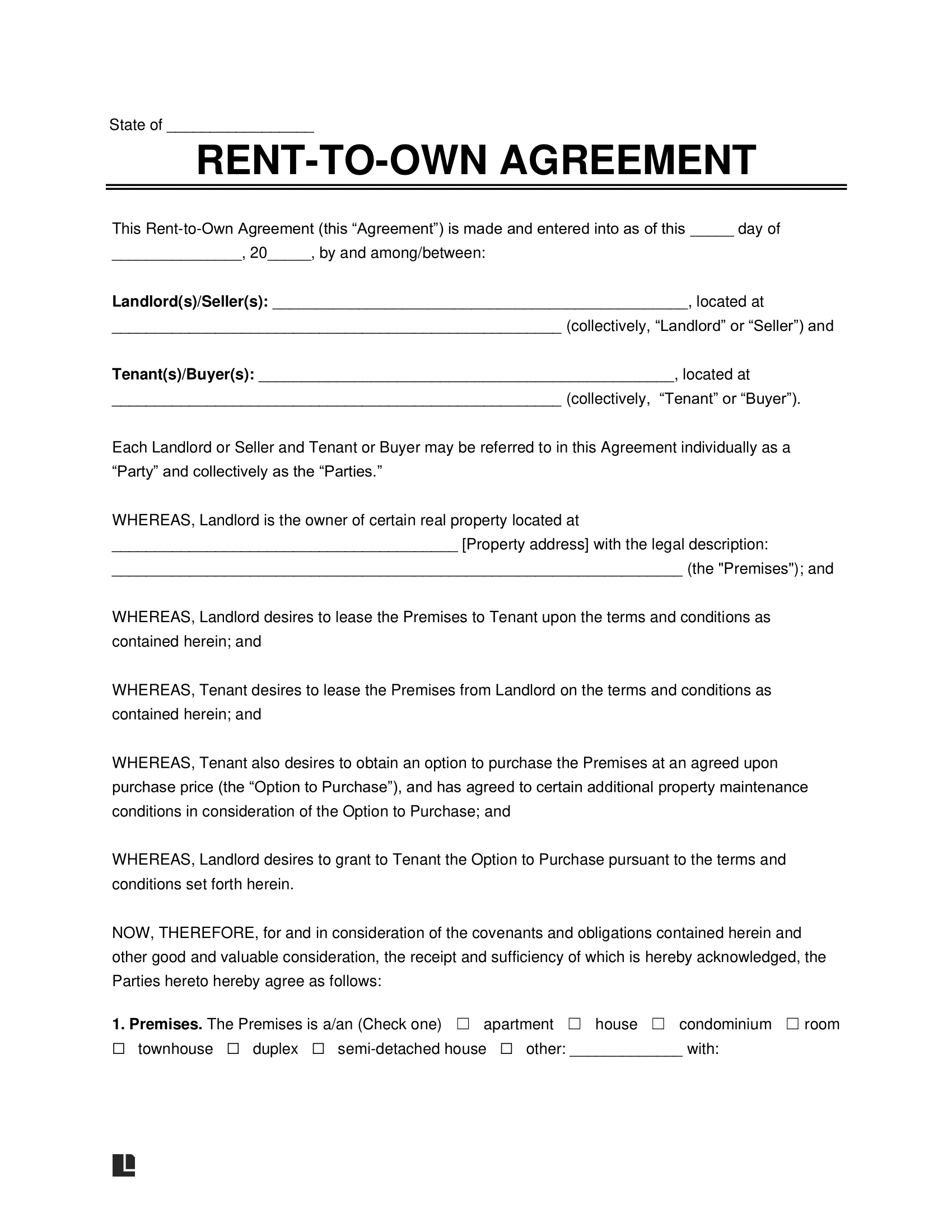
For those uncertain about committing to either option, rent-to-own agreements provide a hybrid solution. These arrangements allow tenants to rent a property with the option to purchase it later under agreed terms, offering flexibility while working toward ownership9.
Visualizing the Decision
)
Balance between flexibility and stability reflecting housing choices and financial priorities
Property Trends to Watch in Malaysia
In 2026, urban living remains a strong trend, especially in major cities like Kuala Lumpur. Condominiums continue to dominate new developments, while younger buyers are increasingly cautious about long-term commitments. Renting is also becoming more socially accepted as lifestyles evolve10.
Renting vs Buying: Which One Wins?
- Renting Advantage: Better for flexibility, lower upfront costs, and uncertain long-term plans.
- Buying Advantage: Ideal for stability, control, and building long-term wealth.
- No Universal Answer: The right choice depends entirely on individual circumstances.
Final Thoughts: Make the Decision That Fits Your Life
Deciding between renting and buying property in Malaysia involves balancing financial considerations with lifestyle preferences, especially as economic conditions and urban living trends continue to evolve. Individuals weigh flexibility against long-term stability while considering costs, mobility, and future goals.
In 2026, Malaysians have access to more tools and insights than ever before. Taking the time to evaluate your situation carefully will help you make a decision that truly fits your life.
Frequently Asked Questions
Question: Is renting always cheaper than buying in Malaysia?
Answer: Not always. While renting has lower upfront costs, long-term expenses can add up. In some cases, buying may be more cost-effective depending on market conditions.
Question: How long should I plan to stay before buying a property?
Answer: Generally, buying makes more sense if you plan to stay in one place for at least 5 to 10 years, allowing time to build equity and offset upfront costs.
Question: What is the biggest risk of buying property?
Answer: The biggest risks include financial strain from ongoing costs, market fluctuations, and reduced flexibility if your circumstances change.
Disclaimer: The information is provided for general information only. BridgeProperties makes no representations or warranties in relation to the information, including but not limited to any representation or warranty as to the fitness for any particular purpose of the information to the fullest extent permitted by law. While every effort has been made to ensure that the information provided in this article is accurate, reliable, and complete as of the time of writing, the information provided in this article should not be relied upon to make any financial, investment, real estate or legal decisions. Additionally, the information should not substitute advice from a trained professional who can take into account your personal facts and circumstances, and we accept no liability if you use the information to form decisions.