)
.webp)
Malaysian Home Improvement Market Growth: Why This Sector Is Booming in 2026
Key Takeaways
- Strong Market Expansion: The sector continues to grow steadily with promising forecasts through 2030.
- DIY Culture Rise: More Malaysians are embracing do-it-yourself solutions, boosting demand for tools and supplies.
- Retail Giants Leading: Major players dominate through affordability, accessibility, and wide product offerings.
- Economic Support: Tourism, investments, and income growth are fueling industry expansion.
- Future Potential: The market is evolving toward innovation, digital integration, and customer-focused experiences.
A Market on the Rise
The Malaysian home improvement market has shown consistent growth in recent years, with strong momentum expected to continue into the next decade. Market data indicates steady expansion in size and demand, reflecting increasing consumer interest in improving living spaces1.
Forecasts suggest that despite some revised expectations, the industry remains on a positive trajectory with sustained consumer demand and long-term growth potential2.
This continued growth reflects a shift in mindset, where homes are no longer just functional spaces but areas for personalization, comfort, and lifestyle enhancement3.
Why Malaysians Are Spending More on Home Improvement
Rising household incomes and a growing middle class are encouraging Malaysians to invest more in upgrading their homes, focusing on both functionality and aesthetics4.
The rise of DIY culture is another major driver, with more consumers choosing to handle small repairs and creative projects themselves, supported by accessible tools and affordable products5.
Urbanization is also shaping demand, as smaller living spaces require smarter storage solutions and multi-functional home products to maximize efficiency.
MR.D.I.Y.: The Giant Behind the Growth
MR.D.I.Y. has emerged as a dominant force in Malaysia’s home improvement market, transforming from a single store into a multi-billion-dollar retail powerhouse6.
The company’s success is driven by its ability to offer a wide variety of products at affordable prices while maintaining strong accessibility through extensive store networks7.
Its business model has also received industry recognition for excellence in execution, supply chain efficiency, and customer reach8.
Additionally, academic research highlights the company’s ability to compete across multiple dimensions, reinforcing its position as a market leader9.
The company’s IPO further demonstrated investor confidence in the sector, marking a significant milestone in Malaysia’s retail landscape10.
However, like any fast-growing business, it faces challenges including product quality concerns and operational pressures, reflecting the realities of rapid expansion11.
Visual Snapshot of Market Leadership
)
Extensive retail network presence across Malaysia highlighting widespread accessibility and consumer reach
The Bigger Economic Picture
Malaysia’s home improvement market is closely tied to broader economic developments, including major global investments that signal long-term confidence in the country’s growth12.
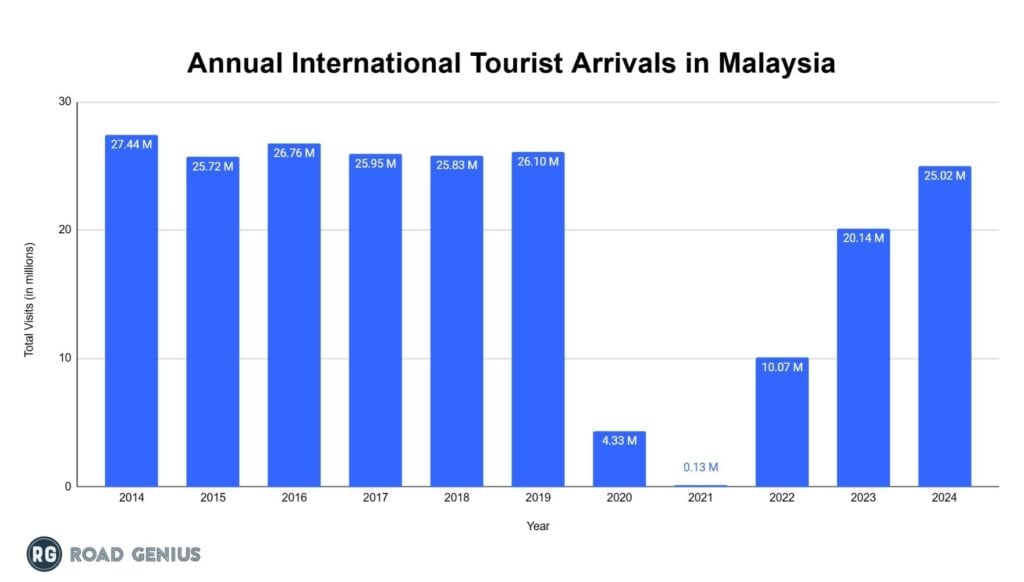
Tourism growth also plays a role by increasing demand for rental properties and renovations, indirectly boosting spending on home improvement products13.
Market Segments Driving Growth
The market is supported by several key product categories that continue to perform strongly due to evolving consumer needs.
- Tools and Hardware: Essential for everyday repairs and DIY activities.
- Home Décor: Increasing demand for personalization and aesthetics.
- Storage Solutions: Crucial for maximizing smaller urban living spaces.
- Lifestyle Products: Seasonal and functional items driving repeat purchases.
What Makes This Market Unique?
Malaysia’s home improvement sector stands out due to its strong focus on affordability, making products accessible to a wide range of consumers.
Retail accessibility is another defining factor, with stores strategically located in malls and urban centers to encourage frequent visits.
The wide variety of products available under one roof also enhances convenience and supports the industry’s growth.
Challenges Ahead
Despite strong growth, the market faces ongoing challenges related to price sensitivity, increasing competition, and global supply chain pressures.
Retailers must continuously balance affordability with product quality while adapting to evolving consumer expectations.
The Road to 2030
The future of Malaysia’s home improvement market looks promising, with continued demand, expanding retail networks, and increasing innovation expected to shape the industry.
Digital integration and enhanced customer experiences are likely to become key differentiators as the market evolves.
Final Thoughts
The Malaysian Home Improvement Market Growth story reflects a broader transformation in lifestyle, spending habits, and economic development.
With strong fundamentals, leading retailers, and supportive economic conditions, the sector is well-positioned for sustained expansion in the years ahead.
Frequently Asked Questions
Question: Why is the home improvement market growing in Malaysia?
Answer: Growth is driven by rising incomes, urbanization, increased DIY adoption, and strong retail accessibility across the country.
Question: Who is the leading player in Malaysia’s home improvement sector?
Answer: MR.D.I.Y. is widely recognized as a dominant retailer due to its affordability, extensive product range, and large store network.
Question: What trends will shape the market in the future?
Answer: Key trends include digital transformation, personalized home solutions, and continued demand for affordable, multifunctional products.
Disclaimer: The information is provided for general information only. BridgeProperties makes no representations or warranties in relation to the information, including but not limited to any representation or warranty as to the fitness for any particular purpose of the information to the fullest extent permitted by law. While every effort has been made to ensure that the information provided in this article is accurate, reliable, and complete as of the time of writing, the information provided in this article should not be relied upon to make any financial, investment, real estate or legal decisions. Additionally, the information should not substitute advice from a trained professional who can take into account your personal facts and circumstances, and we accept no liability if you use the information to form decisions.