)

Home Improvement Market Size Malaysia: A Deep Dive into the Industry Boom in 2026
Key Takeaways
- Steady Market Growth: Malaysia’s home improvement sector has expanded consistently due to urbanization and lifestyle changes.
- Diverse Spending Areas: Consumers invest in renovation, décor, maintenance, and outdoor upgrades.
- DIY Culture Rise: Affordable tools and online tutorials have made DIY a major market driver.
- Digital Transformation: Online platforms are making home services more accessible and convenient.
- Future Expansion: Growth is expected to continue through 2030 with smart homes and sustainability trends.
A Market on the Rise: Understanding the Growth
The Home Improvement Market Size Malaysia story in 2026 reflects steady expansion driven by evolving consumer behavior and increased investment in living spaces. Between 2019 and 2022, the market recorded consistent growth, supported by both residential and commercial demand1.
This growth has been fueled by urban migration, rising disposable income, and a growing desire for home ownership. As more Malaysians move into urban housing such as apartments and condominiums, the demand for customization and upgrades continues to rise. Increased time spent at home has also shifted priorities toward comfort, functionality, and aesthetic improvements.
What Malaysians Are Spending On
The home improvement market in Malaysia spans multiple categories, reflecting a shift from basic maintenance to lifestyle enhancement. Spending includes renovation projects, landscaping, interior styling, and general repair work2.
These activities are closely tied to lifestyle changes, where homes are now multifunctional spaces. Features like open kitchens, home offices, and outdoor relaxation areas are becoming more common, signaling a transformation in how living spaces are designed and used3.
DIY Culture Is Reshaping the Market
The rise of DIY culture is one of the most significant developments in Malaysia’s home improvement sector. Affordable retail options and widespread online tutorials have made it easier for individuals to handle their own home projects, from painting to furniture assembly4.
This trend is reshaping retail strategies, with stores offering beginner-friendly tools, simplified products, and instructional content. DIY is no longer a niche activity but a major contributor to overall market growth.
The Role of Online and On-Demand Services
Digital platforms are transforming how Malaysians approach home improvement. Online service providers allow users to easily connect with contractors, electricians, and cleaners, offering convenience and transparency in pricing and service quality5.
This shift toward digital solutions is making home improvement more accessible, particularly for busy urban residents who value efficiency and reliability.
Market Segmentation: Where the Money Goes
)
Breakdown of home improvement spending across renovation, repair, and enhancement activities in Malaysia
The Malaysian home improvement market is typically divided into DIY projects, remodeling, and refurbishment. Each segment plays a unique role in shaping the industry, with DIY projects being frequent and cost-effective, while remodeling and refurbishment involve larger investments6.
This segmentation creates a balanced ecosystem where both small-scale and large-scale projects contribute to overall market resilience.
Retail and Distribution: Who Controls the Market?
The distribution landscape includes large retail chains, specialty stores, and online platforms. Retailers are increasingly adopting omnichannel strategies to meet consumer expectations for flexibility and convenience7.
Consumers now prefer a seamless experience where they can browse online, compare products, and choose between in-store purchases or home delivery, reflecting the growing integration of digital and physical retail channels.
Financing the Dream: The Role of Personal Loans
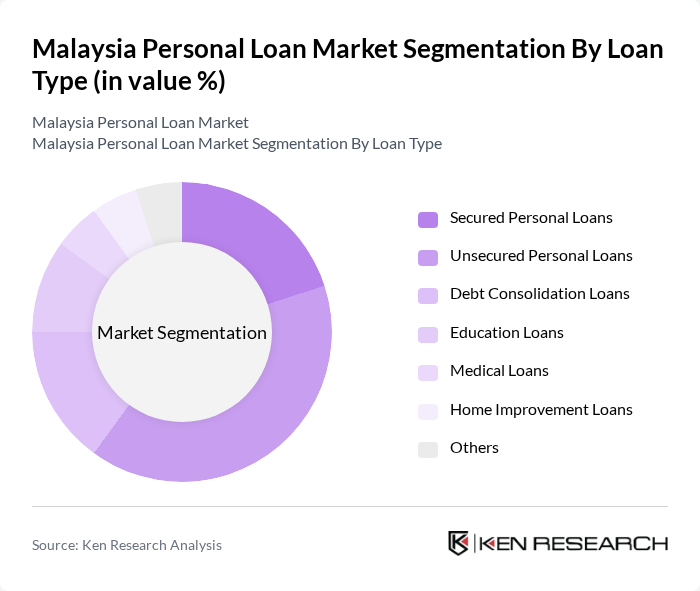
Financing plays a crucial role in enabling larger home improvement projects. Many Malaysians rely on personal loans to fund renovations such as kitchen upgrades and structural repairs, making these improvements more accessible8.
This financial accessibility supports continued market expansion by allowing more individuals to invest in their living spaces.
The Influence of Homeware and Lifestyle Trends
The homeware sector plays a significant role in shaping home improvement trends. Growth in furniture, lighting, and decorative items continues to influence renovation decisions and design preferences9.
Modern lifestyles are driving demand for minimalist designs, smart home integrations, and eco-friendly materials, all of which impact how homes are upgraded and maintained.
Sustainability and Smarter Homes
Sustainability has become a key focus in Malaysia’s home improvement market, with growing demand for energy-efficient appliances and environmentally friendly materials10.
At the same time, innovations in smart home technology are influencing renovation choices, encouraging homeowners to adopt solutions that improve efficiency and reduce environmental impact11.
What the Future Looks Like: Growth Until 2030
The outlook for Malaysia’s home improvement market remains highly positive, with continued growth expected through 2030. Increasing demand for upgraded living spaces and advancements in digital services are key drivers of this expansion.
Emerging trends such as smart home integration, AI-driven design tools, and personalized renovation solutions are expected to shape the next phase of the market’s evolution.
Why This Market Matters in 2026
In 2026, home improvement is more than just an industry—it reflects changing lifestyles and priorities. Homes have evolved into multifunctional spaces that serve as workplaces, social hubs, and personal retreats.
This transformation has made home improvement a necessity rather than a luxury, ensuring continued demand even during uncertain economic periods.
Final Thoughts
The Home Improvement Market Size Malaysia continues to evolve as a dynamic and fast-growing sector shaped by consumer behavior, technology, and sustainability. From DIY trends to digital services and smart home innovations, every aspect of the market is undergoing transformation.
As the industry moves toward 2030, it presents significant opportunities for homeowners, businesses, and investors alike, making it a space worth watching closely.
Frequently Asked Questions
Question: What is driving the growth of the home improvement market in Malaysia?
Answer: Growth is driven by urbanization, rising incomes, increased home ownership, and changing lifestyles that prioritize comfort and functionality.
Question: Why is DIY becoming popular in Malaysia?
Answer: DIY is gaining popularity because it is cost-effective, allows creative control, and is supported by easy access to tools and online tutorials.
Question: What trends will shape the future of this market?
Answer: Key trends include smart home technology, sustainable materials, digital service platforms, and personalized home design solutions.
Disclaimer: The information is provided for general information only. BridgeProperties makes no representations or warranties in relation to the information, including but not limited to any representation or warranty as to the fitness for any particular purpose of the information to the fullest extent permitted by law. While every effort has been made to ensure that the information provided in this article is accurate, reliable, and complete as of the time of writing, the information provided in this article should not be relied upon to make any financial, investment, real estate or legal decisions. Additionally, the information should not substitute advice from a trained professional who can take into account your personal facts and circumstances, and we accept no liability if you use the information to form decisions.