)
.webp)
Malaysia Home Improvement Market Trends: What’s Driving the Boom in 2026
Key Takeaways
- Rapid Market Growth: Rising incomes and urbanization are accelerating demand for home upgrades across Malaysia.
- DIY Culture Expansion: More homeowners are choosing cost-effective, hands-on renovation solutions.
- Retail Transformation: Large home improvement retailers are reshaping accessibility and affordability.
- Personalized Living Spaces: Consumers are prioritizing design, comfort, and individuality in their homes.
- Future-Ready Homes: Aging populations and sustainability concerns are influencing renovation trends.
Introduction to Malaysia’s Home Improvement Boom
The Malaysia Home Improvement Market Trends are telling a powerful story in 2026. Across cities and suburbs, more people are upgrading their homes, investing in better living spaces, and transforming everyday houses into personalized sanctuaries. What was once occasional renovation activity has evolved into a consistent lifestyle shift.
This growth is driven by rising incomes, lifestyle changes, and improved access to materials, tools, and financing options. From DIY enthusiasts to full-scale renovation planners, the entire ecosystem is expanding and redefining how Malaysians approach their homes.
A Market on the Rise
The Malaysian home improvement sector continues to grow rapidly, supported by urbanization and an expanding middle class. Market projections indicate strong development across multiple segments in the coming years1.
This growth spans hardware retail, home product specialists, and sustainable upgrades, reflecting a broader shift in consumer priorities. Increasingly, Malaysians are not just purchasing homes—they are actively improving and upgrading them.
Consumer spending behavior is also evolving, with more individuals willing to invest in quality products and services to enhance comfort and personalization2.
Additionally, strong performance in the broader home and garden category reinforces the sustained demand for lifestyle-oriented improvements3.
The DIY Revolution: A Key Growth Driver
One of the most defining Malaysia Home Improvement Market Trends is the rise of DIY culture. Accessible hardware stores and affordable tools have empowered more individuals to take on home projects themselves.
This segment is experiencing strong growth as consumers increasingly seek cost-effective solutions for home upgrades4.
Instead of relying entirely on contractors, many Malaysians now prefer hands-on approaches, from assembling furniture to making small functional upgrades. This trend reflects both financial awareness and a growing desire for creative control.
The Rise of Retail Giants Like Mr. DIY
Major retailers have played a crucial role in making home improvement more accessible. Companies offering a wide range of affordable products have transformed how consumers approach renovations.
Retail strategies focused on affordability and variety have significantly reshaped the competitive landscape5.
Rapid expansion from small-scale operations to large retail networks highlights the growing demand and scalability of this sector6.
For additional insights into retail dominance and market influence, explore this detailed overview https://bridgeproperties.com.my/guides/1757516782063-home-improvement.
Home Decor Is Booming Too
Beyond functionality, aesthetics have become a major focus in home improvement. The demand for stylish, personalized living spaces continues to rise alongside income growth and changing preferences7.
Consumers are increasingly embracing interior design, cultural influences, and unique décor elements that reflect their identity and lifestyle.
Specialist retailers are also contributing to market diversity by offering curated and innovative product selections8.
A Shift Toward Smarter, Future-Ready Homes
Another emerging trend is the move toward future-ready homes. With an aging population, there is growing awareness of the need for safer and more adaptable living environments9.
Homeowners are proactively investing in features that improve accessibility, safety, and long-term usability, ensuring their spaces remain functional over time.
Financing Is Fueling Growth
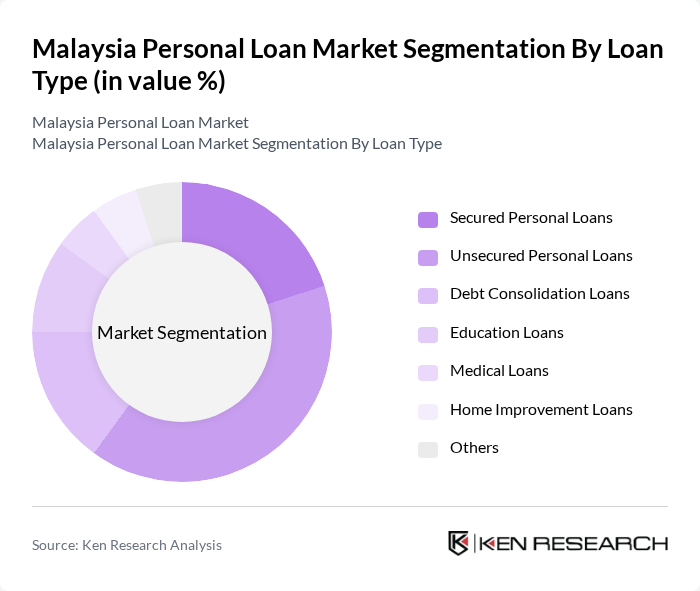
Access to financing has become a key enabler for home improvement projects. Personal loans and flexible financing options are making renovations more achievable for a broader audience10.
This financial support allows homeowners to begin projects sooner, invest in better materials, and undertake more comprehensive upgrades.
Market Intelligence and Smarter Investments
Data-driven insights are increasingly shaping both consumer decisions and business strategies within the home improvement sector. Market intelligence plays a critical role in identifying trends and opportunities11.
This leads to better product offerings, improved customer targeting, and more efficient market operations overall.
For broader property market insights and investment trends, refer to this resource https://bridgeproperties.com.my/guides/1757510721945-home-improvement.
Visual Snapshot of Market Growth
)
Projected expansion and segmentation across Malaysia’s home improvement market highlighting growth across retail, DIY, and sustainable upgrades
What This Means for Homeowners and Renters
The impact of these trends is clear: home improvement is becoming more accessible, flexible, and rewarding for both homeowners and renters.
- Property value can increase with upgrades
- Living comfort improves significantly
- DIY solutions offer flexibility and cost savings
- Personalization is more accessible than ever
Sustainability Is Gaining Momentum
Sustainability is gradually becoming a key consideration in home improvement decisions. Consumers are showing increased interest in eco-friendly materials, energy-efficient appliances, and responsible renovation practices.
Market evolution indicates that sustainable upgrades are becoming a meaningful segment within the industry12.
More insights on sustainable trends can be explored here https://bridgeproperties.com.my/guides/1757516782063-home-improvement.
Challenges to Watch
Despite strong growth, the industry faces challenges such as rising material costs, labor shortages, and economic uncertainties.
However, increased adoption of DIY solutions and competitive retail pricing continues to offset some of these pressures, helping maintain steady market momentum.
The Future of Malaysia Home Improvement Market Trends
The future of Malaysia’s home improvement market points toward continued expansion, with increasing emphasis on technology, sustainability, and personalization.
- Greater adoption of smart home solutions
- Expansion of DIY culture
- Increased demand for unique, personalized spaces
- Stronger focus on eco-conscious living
Final Thoughts
The Malaysia Home Improvement Market Trends in 2026 highlight a significant shift in how people approach their living spaces.
Homes are evolving into dynamic environments that reflect lifestyle, identity, and long-term planning. With continued growth, innovation, and accessibility, this sector is set to remain one of the most dynamic areas of Malaysia’s economy.
Frequently Asked Questions
Question: What is driving the growth of Malaysia’s home improvement market?
Answer: The growth is driven by rising incomes, urbanization, changing lifestyles, and increased access to tools, materials, and financing options.
Question: Why is DIY becoming popular in Malaysia?
Answer: DIY is growing due to cost savings, accessibility of tools, and the desire for creative control over home improvement projects.
Question: How are retailers influencing the home improvement market?
Answer: Retailers are making home improvement more accessible by offering affordable products, wide selections, and convenient shopping experiences.
Disclaimer: The information is provided for general information only. BridgeProperties makes no representations or warranties in relation to the information, including but not limited to any representation or warranty as to the fitness for any particular purpose of the information to the fullest extent permitted by law. While every effort has been made to ensure that the information provided in this article is accurate, reliable, and complete as of the time of writing, the information provided in this article should not be relied upon to make any financial, investment, real estate or legal decisions. Additionally, the information should not substitute advice from a trained professional who can take into account your personal facts and circumstances, and we accept no liability if you use the information to form decisions.