)
.webp)
Malaysian Home Improvement Market Trends: What’s Driving the Boom in 2026?
Key Takeaways
- Rapid Market Growth: Malaysia’s home improvement sector is expanding due to affordability and rising consumer demand.
- Retail Dominance: Major players like MR D.I.Y. are shaping purchasing behavior through low-cost solutions.
- DIY Culture Rise: More homeowners are choosing to upgrade instead of relocate.
- Sustainability Shift: Eco-friendly upgrades and energy-efficient solutions are becoming mainstream.
- Ageing Population Impact: Homes are increasingly designed for accessibility and long-term comfort.
A Market on the Rise
Malaysia’s home improvement market is not just growing—it is accelerating, driven by rising demand for affordable and accessible solutions across urban households1.
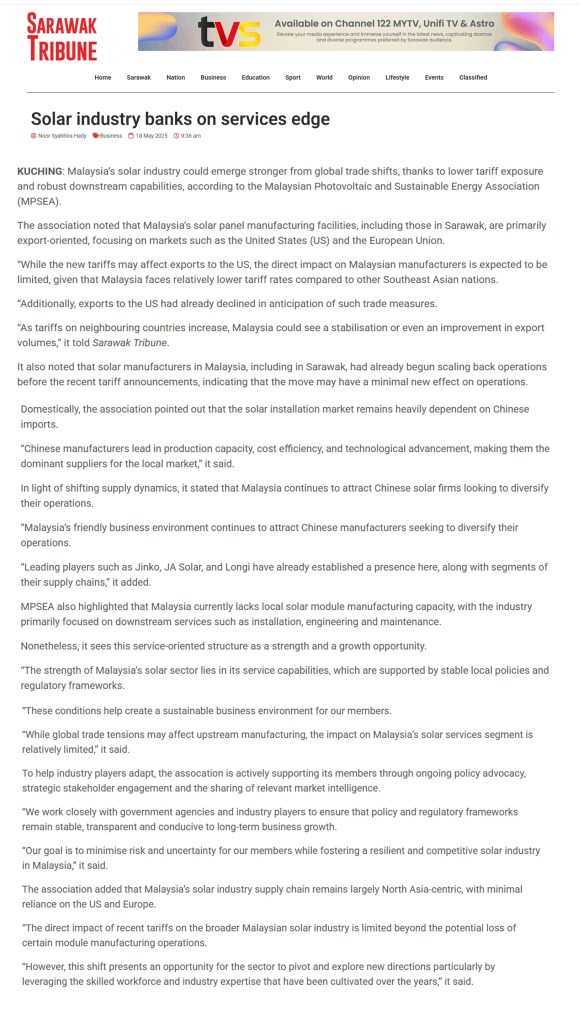
This growth is fueled by real-life needs such as upgrading existing homes, optimizing urban living spaces, and finding cost-effective DIY alternatives. As economic uncertainty continues into 2026, many households are focusing on improving their current homes instead of investing in new properties.
The MR D.I.Y. Effect: A Retail Giant Shapes the Industry
One of the strongest influences in Malaysia’s home improvement market is the rise of a dominant retail player that has built a reputation for affordability and accessibility at scale2.
Its expansion into a billion-ringgit enterprise highlights a clear consumer preference: practical, low-cost solutions that are easy to access across the country3.
Major milestones such as a large-scale public listing and industry recognition reinforce its position as a key driver of market trends4.
Even with slower sales growth in recent periods, the company continues to demonstrate resilience, reflecting steady demand for affordable home solutions5.
Visualizing the Growth

Residential renovation activities reflecting increasing demand for home upgrades and improvements
The consistent upward trajectory of home improvement spending highlights how consumer demand continues to strengthen despite broader economic shifts.
Why Malaysians Are Spending More on Home Improvement
The surge in home improvement activity across Malaysia is shaped by multiple lifestyle and economic factors that have evolved significantly in recent years.
Post-Pandemic Lifestyle Shifts
Homes have transformed into multifunctional spaces, serving as work environments, entertainment hubs, and personal wellness areas. This shift has driven demand for upgrades that improve comfort and usability.
Rising Cost of Moving
With property prices and moving costs increasing, homeowners are opting to enhance their existing spaces instead. Smaller, targeted improvements often deliver better value with lower financial risk.
DIY Culture Is Growing
The growing accessibility of tools and materials has made DIY projects more common, supported by online tutorials and digital platforms that encourage self-driven home upgrades.
The Ageing Population Is Changing Home Design
Malaysia’s demographic transition toward an ageing population is influencing how homes are designed and upgraded, with a focus on safety, accessibility, and long-term comfort6.
This includes features such as anti-slip flooring, improved lighting, and barrier-free access, all of which contribute to safer living environments for older residents.
Sustainability Is Becoming a Core Driver
Sustainability is playing an increasingly important role in shaping consumer decisions, with growing interest in energy-efficient and environmentally friendly home solutions7.
Initiatives involving renewable energy and green infrastructure are influencing how homeowners approach upgrades, encouraging the adoption of solar panels, efficient appliances, and eco-friendly materials8.
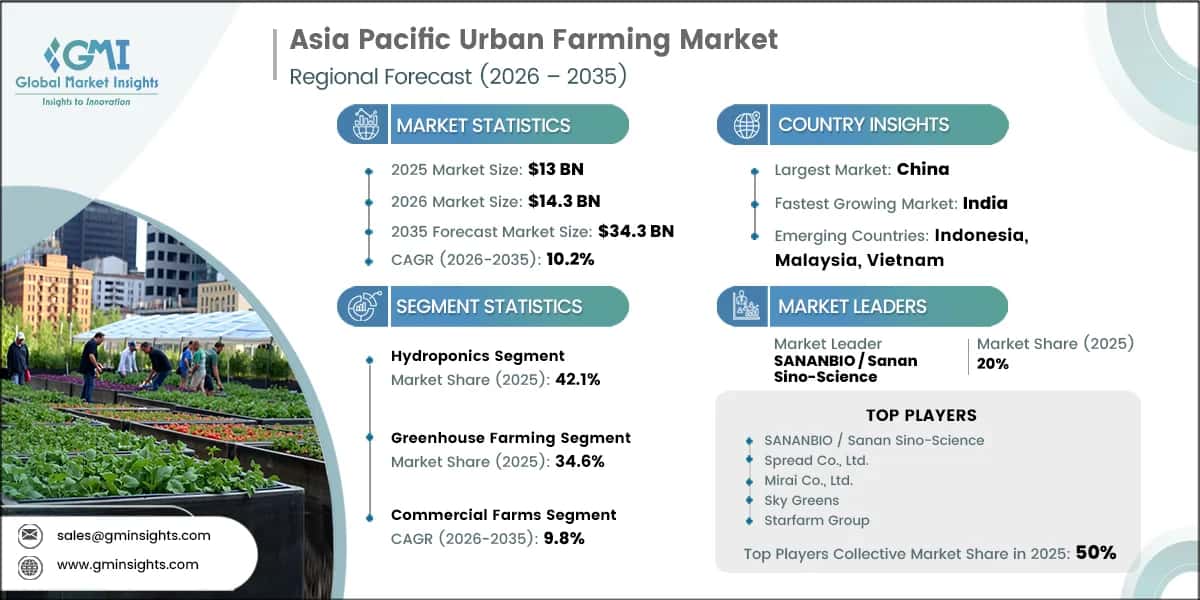
Urban farming trends are also emerging, with more households incorporating small-scale gardening and sustainable practices into their living spaces9.
Government and Financial Leadership Support Growth
National policies and financial leadership continue to support the development of the home improvement sector, particularly through a focus on sustainability and innovation10.
These efforts help create an environment where housing upgrades are more accessible, while also encouraging long-term investment in modern and sustainable living solutions.
Regional Influence and Global Connections
Malaysia’s strategic position in Southeast Asia allows it to benefit from strong trade relationships and regional collaboration, which contribute to a steady supply of materials and innovation in the home improvement market11.
This connectivity ensures that consumers have access to a wide range of products at competitive prices.
Tourism and Culture: An Unexpected Influence
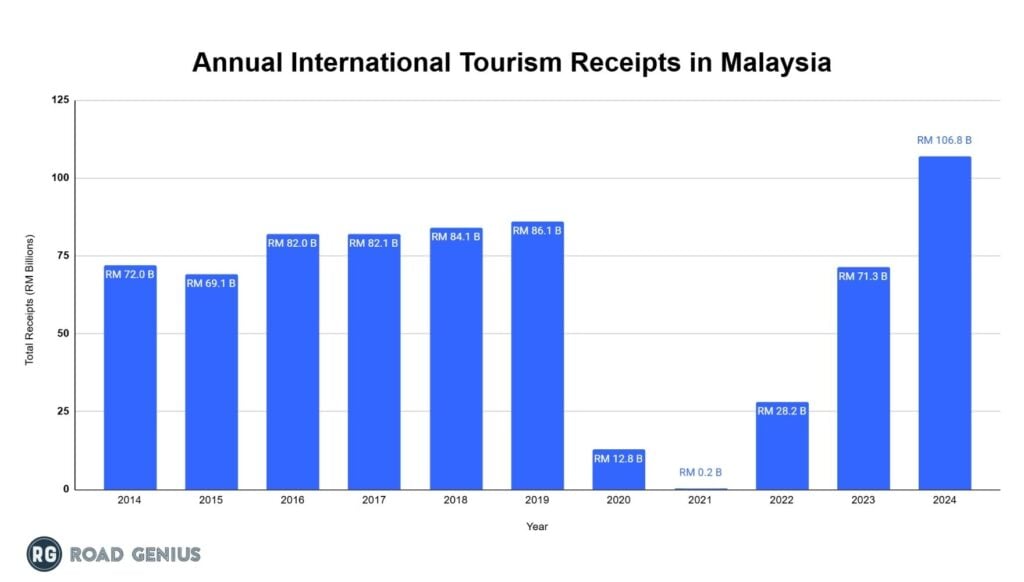
Tourism contributes indirectly to home improvement demand by encouraging upgrades in short-term rentals and hospitality-focused properties12.
Cultural influences also shape interior design preferences, inspiring homeowners to incorporate local aesthetics and functional design elements into their living spaces13.
Challenges in the Market
Despite strong growth, the home improvement market in Malaysia faces challenges such as cautious consumer spending, increasing competition, and the higher upfront costs associated with sustainable solutions.
What to Expect Next
Future trends point toward smarter homes, more affordable innovation, continued growth in DIY culture, and increased emphasis on age-friendly living environments.
Final Thoughts
The Malaysian home improvement market trends in 2026 highlight a shift toward practicality, sustainability, and adaptability.
As lifestyles evolve and economic conditions change, improving existing homes has become a key priority for many households.
This sector will continue to play an essential role in shaping how Malaysians live, blending innovation with everyday needs.
Frequently Asked Questions
Question: Why is the home improvement market growing in Malaysia?
Answer: The market is growing due to rising costs of moving, increased time spent at home, and demand for affordable DIY solutions.
Question: What role does affordability play in this trend?
Answer: Affordability is a major factor, as consumers prefer cost-effective upgrades rather than expensive relocations or renovations.
Question: How is sustainability influencing home improvement choices?
Answer: Sustainability is driving demand for energy-efficient appliances, eco-friendly materials, and renewable energy solutions in modern homes.
Disclaimer: The information is provided for general information only. BridgeProperties makes no representations or warranties in relation to the information, including but not limited to any representation or warranty as to the fitness for any particular purpose of the information to the fullest extent permitted by law. While every effort has been made to ensure that the information provided in this article is accurate, reliable, and complete as of the time of writing, the information provided in this article should not be relied upon to make any financial, investment, real estate or legal decisions. Additionally, the information should not substitute advice from a trained professional who can take into account your personal facts and circumstances, and we accept no liability if you use the information to form decisions.


:max_bytes(150000):strip_icc()/20240926-SEA_CuisineGuide_Malayasian-hero-7b4478f00eba4952a4caec73c798100e.jpg)