)
.webp)
Tax Implications for Property Transactions: What Buyers, Sellers, and Investors Need to Know in 2026
Key Takeaways
- Classification Matters: Whether a property is treated as an investment or trading activity significantly affects tax rates and obligations.
- Cross-Border Complexity: International property deals now face stricter reporting and taxation rules.
- Crypto Adds Layers: Using digital currency in property transactions can trigger multiple taxable events.
- Timing Impacts Tax: Payment structures such as deposits and advances can change when taxes are applied.
- AI Enforcement Rising: Governments are increasingly using AI to detect tax irregularities in property transactions.
Why Property Taxes Are Getting More Complex in 2026
The global tax landscape is evolving rapidly, with international cooperation playing a central role. Agreements between countries are increasingly linking trade and taxation, influencing how property transactions are regulated and reported across borders1.
At the same time, governments are under pressure to modernize property tax systems, making them more transparent, fair, and enforceable. Updated valuation methods and compliance frameworks are being introduced, resulting in more frequent reassessments and tighter monitoring of property transactions2.
For a deeper understanding of tax optimization strategies and global approaches, refer to comprehensive internal resources available on property taxation planning3.
Understanding the Basics: What Taxes Apply to Property Transactions?
Property transactions can trigger multiple types of taxes depending on the jurisdiction and structure of the deal. These commonly include real property gains tax on profits, stamp duties on transfers, rental income tax for leased properties, and corporate taxes for business-owned assets.
The complexity arises because a single transaction may fall under different tax categories depending on how it is structured and interpreted by tax authorities.
Investment vs Trading: A Critical Tax Distinction
A key factor in determining tax treatment is whether the property is classified as an investment or part of a trading activity. This distinction is based on intent, frequency of transactions, and overall behavior4.
If a property is considered part of a trading activity, profits may be taxed as business income, often resulting in higher tax liabilities. In contrast, long-term investments are typically subject to capital gains tax, which may be more favorable.
Understanding this distinction is essential for investors aiming to manage tax exposure effectively while scaling their property portfolios5.
Malaysia’s Tax Framework: What Makes It Unique
Malaysia’s property tax framework reflects a balance between domestic economic priorities and international compliance standards. Businesses and investors must carefully structure their activities to remain compliant while optimizing tax outcomes6.
Factors such as residency status, source of income, and double taxation agreements play a critical role in determining tax obligations, especially for foreign investors or Malaysians investing abroad7.
Cross-Border Property Transactions: A Growing Challenge
Cross-border property investments are becoming more common, but they come with increased scrutiny. Governments are tightening regulations around indirect ownership transfers to prevent tax avoidance8.
Investors must now account for tax liabilities even when properties are transferred indirectly through corporate structures, making transparency and proper structuring more important than ever.
Digital Currency Meets Real Estate
The use of digital currencies in property transactions introduces additional tax considerations. Regulatory frameworks now clarify that crypto-related gains can be taxable, depending on the nature of the transaction9.
This means buyers using digital assets may face dual taxation—once on crypto gains and again on the property transaction—making accurate record-keeping essential.
Timing Matters: Advance Payments vs Deposits
The timing of payments can significantly influence tax obligations. Advance payments are often taxed immediately, while deposits may only be taxed once specific conditions are met10.
Structuring contracts carefully can therefore impact when taxes are due, which is particularly relevant for developers and investors managing cash flow.
Property and Business Restructuring
Restructuring property ownership within businesses can trigger various tax implications. Transfers between entities may result in taxable events unless specific relief conditions are met11.
This makes tax planning a crucial component of any restructuring strategy, particularly for large portfolios and corporate entities.
The Role of Tax Professionals
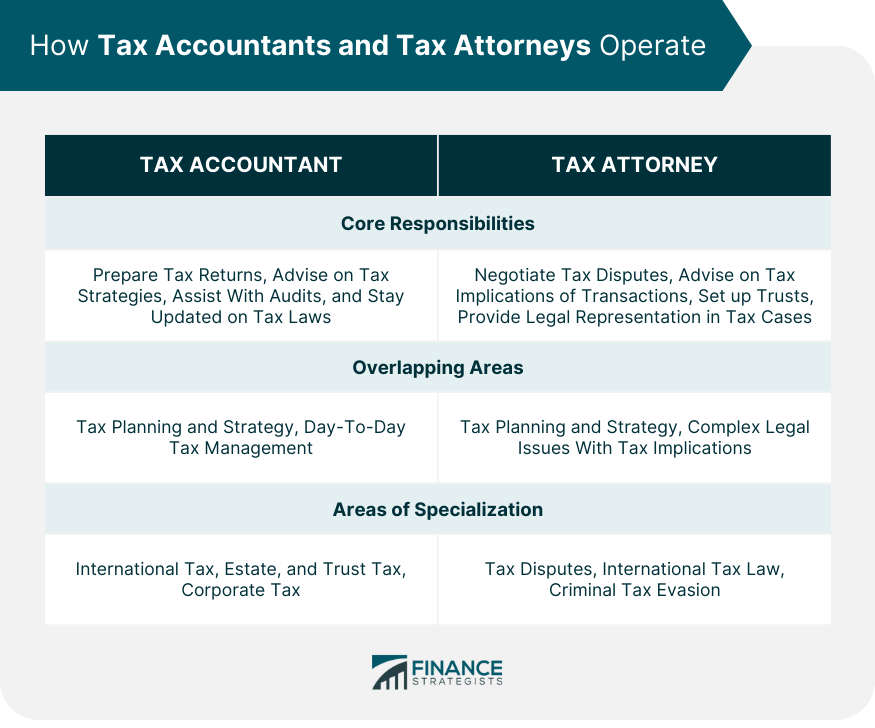
With increasing complexity, professional guidance is essential. Different experts play distinct roles, from compliance-focused accountants to legal specialists handling disputes and advanced structuring12.
Engaging the right professionals can help ensure compliance while identifying opportunities to optimize tax outcomes.
Real-World Example: Non-Resident Property Sale
)
Cross-border property transactions involving non-residents and layered tax obligations across jurisdictions
Non-resident property transactions often involve multiple layers of taxation, including capital gains taxes, withholding requirements, and local compliance obligations.
How AI Is Changing Property Tax Compliance
Artificial intelligence is transforming how tax systems are enforced. Authorities are using advanced analytics to detect irregularities, automate reporting, and improve valuation accuracy.
This shift is making tax compliance more efficient but also more stringent, reducing opportunities for underreporting or manipulation.
Key Takeaways for Property Buyers and Investors
- Classification Drives Tax: Investment and trading classifications determine how income is taxed.
- Global Deals Face Scrutiny: Cross-border transactions require greater transparency and compliance.
- Crypto Requires Caution: Digital asset usage can trigger multiple taxable events.
- Payment Timing Matters: Structuring payments affects when taxes are applied.
- Technology Is Changing Enforcement: AI is increasing accuracy and reducing loopholes.
Final Thoughts: Stay Ahead of the Curve
The tax implications of property transactions have become a central consideration in real estate decision-making. With evolving regulations and technological advancements, staying informed is no longer optional.
By integrating tax planning into your overall investment strategy, you can reduce risks, remain compliant, and improve long-term returns.
Frequently Asked Questions
Question: What taxes apply when selling a property?
Answer: Typically, property sales may involve capital gains tax or real property gains tax, along with possible stamp duties and other local charges depending on the jurisdiction.
Question: Can using cryptocurrency in property transactions increase tax liability?
Answer: Yes, using cryptocurrency can create additional taxable events, including taxes on crypto gains and the property transaction itself.
Question: Why is tax classification important in property transactions?
Answer: Classification determines whether income is taxed as business income or capital gains, which can significantly affect the total tax payable.
Disclaimer: The information is provided for general information only. BridgeProperties makes no representations or warranties in relation to the information, including but not limited to any representation or warranty as to the fitness for any particular purpose of the information to the fullest extent permitted by law. While every effort has been made to ensure that the information provided in this article is accurate, reliable, and complete as of the time of writing, the information provided in this article should not be relied upon to make any financial, investment, real estate or legal decisions. Additionally, the information should not substitute advice from a trained professional who can take into account your personal facts and circumstances, and we accept no liability if you use the information to form decisions.