)
.webp)
Rental Properties in Malaysia: Trends, Challenges, and Opportunities in 2026
Key Takeaways
- Strong Rental Demand: Urban migration and lifestyle shifts continue to fuel rental demand across Malaysia.
- Technology Integration: Digital platforms are making property searches and management more efficient and transparent.
- Location Matters: Properties near transport hubs command higher rental value and occupancy rates.
- Investment Considerations: Rental property can be profitable but requires careful planning and management.
- Emerging Risks: Issues like rental scams and discrimination remain ongoing challenges.
A Growing Market with Strong Demand
Rental properties in Malaysia are getting more attention than ever in 2026. From busy city apartments to quiet suburban homes, the rental market is buzzing with activity. Whether you are a tenant looking for a place to live or an investor hoping to earn steady income, Malaysia’s rental scene offers both promise and complexity.
Malaysia’s rental market continues to expand, with thousands of listings available across the country. Major platforms provide a wide range of rental homes—from high-rise condos in Kuala Lumpur to landed houses in smaller towns, reflecting both strong supply and consistent demand1.
)
Urban residential developments and high-rise living reflecting Malaysia’s expanding rental market and increasing housing demand
The market has seen steady growth, with rental prices rising alongside urban migration and lifestyle changes. Young professionals, students, and even families are choosing to rent instead of buy, largely due to flexibility and lower upfront costs2.
What’s Driving Rental Demand?
Several factors are pushing more people toward rental properties in Malaysia, shaping both short-term trends and long-term housing preferences.
1. Economic Conditions
Malaysia’s economic environment plays a significant role in housing decisions. Fluctuations in income levels and broader financial conditions often influence whether individuals choose to rent or buy property, with renting offering greater financial flexibility during uncertain times3.
2. Urbanization and Job Opportunities
Cities such as Kuala Lumpur, Penang, and Johor Bahru continue to attract workers seeking better job opportunities. This steady migration into urban areas has increased rental demand, especially in locations close to business districts and public transport networks4.
3. Lifestyle Changes
Younger generations prioritize mobility and flexibility. Renting allows them to relocate easily without long-term commitments, making it an attractive option compared to home ownership.
The Role of Infrastructure: Why Location Matters
Infrastructure—especially rail transport—plays a major role in determining rental values. Properties located near MRT, LRT, and KTM stations often command higher rental prices due to convenience and accessibility5.
This proximity reduces commuting time and enhances overall quality of life, making such locations highly desirable for tenants and investors alike.
Is Property Investment Still Worth It?
There are mixed views on whether rental property investment in Malaysia remains a strong option. Some investors report stable income and long-term gains, while others highlight challenges such as maintenance costs and vacancies6.
Ultimately, success depends on selecting the right property, setting competitive rental rates, and maintaining consistent tenant occupancy.
Technology Is Changing How People Rent
Technology continues to reshape the rental experience in Malaysia. Digital platforms now allow users to browse listings, compare prices, and analyze market trends with ease, improving transparency across the market7.
These tools also simplify communication, booking processes, and virtual property tours, making renting faster and more convenient for both tenants and landlords.
The Rise of Short-Term Rentals
Short-term rentals are becoming increasingly popular, driven by tourism and flexible living preferences. Vacation rental platforms now compete directly with hotels, offering unique accommodation options across Malaysia8.
For property owners, this presents an opportunity to generate higher returns, although it also requires more active management and compliance with local regulations.
Legal Basics Every Renter and Landlord Should Know
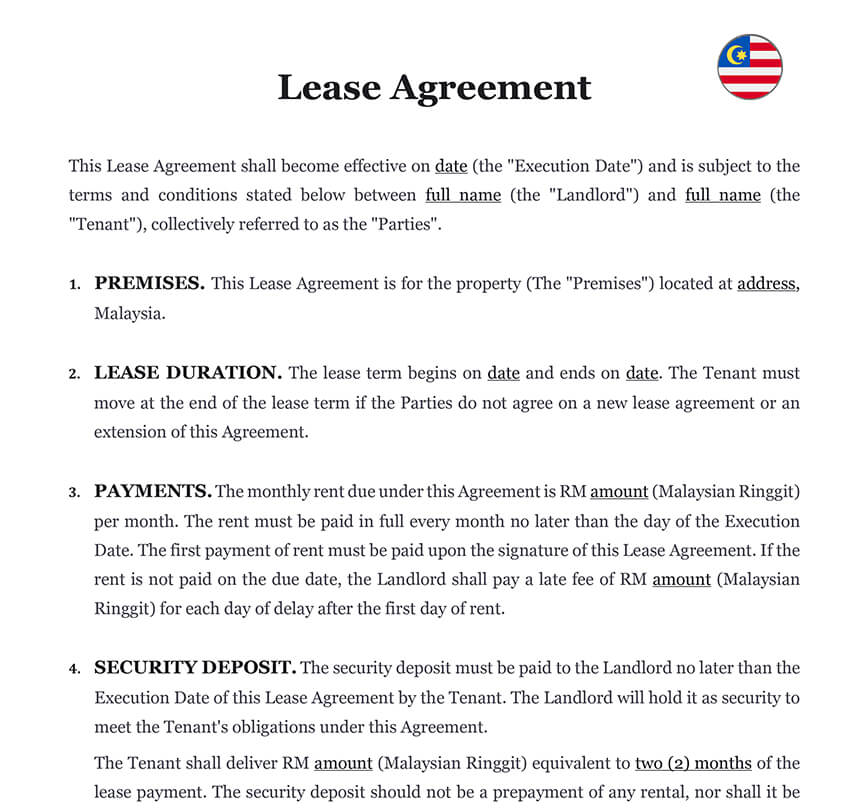
Renting property in Malaysia involves clear legal documentation, including lease agreements and rent receipts. These documents outline rental terms, responsibilities, and payment structures, helping to prevent disputes9.
Proper documentation ensures transparency and protects both tenants and landlords throughout the rental period.
Social Challenges: Rental Discrimination
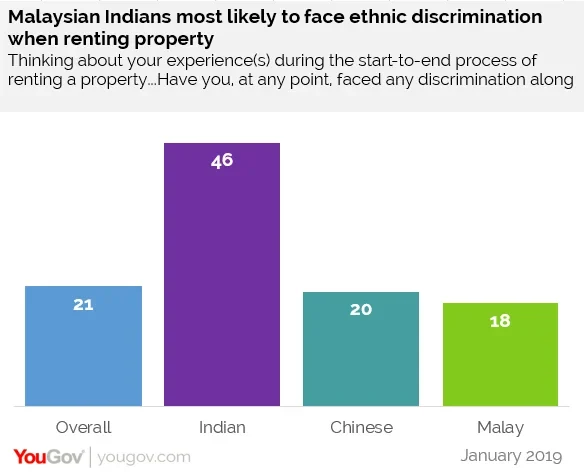
Despite growth in the market, social challenges such as rental discrimination remain a concern. Discussions and surveys indicate that some renters have faced bias during the application process, raising concerns about fairness and inclusivity10.
Addressing these issues is important for building a more equitable housing environment.
Rental Scams: A Growing Risk
As the rental market expands, scams have become more prevalent. Fake listings, upfront deposit requests, and impersonation schemes are among the most common tactics used to deceive tenants11.
Verifying property listings and avoiding suspicious transactions are essential steps for staying safe in the rental process.
Can You Rent Out a Property Immediately After Buying?
Many new investors wonder whether they can rent out a property immediately after purchase. While it is generally possible, factors such as loan conditions, property readiness, and regulations must be considered carefully12.
Proper preparation helps avoid complications and ensures a smoother rental process.
The Big Picture: A Market Full of Opportunity
Malaysia’s rental property market in 2026 is dynamic and evolving, shaped by economic trends, technological advancements, and changing lifestyles.
- Demand Growth: Urban areas continue to see strong tenant demand.
- Digital Transformation: Technology improves efficiency and transparency.
- Strategic Locations: Infrastructure drives rental value.
- New Income Streams: Short-term rentals expand opportunities.
- Ongoing Challenges: Legal and social issues still need attention.
For tenants, the market offers a wide variety of options, while investors can benefit from steady demand with the right strategy.
Final Thoughts
Rental properties in Malaysia are more than just housing—they reflect broader economic, social, and technological changes shaping the country.
As the market continues to grow, staying informed about trends, risks, and opportunities will be essential for both renters and investors navigating this evolving landscape.
Frequently Asked Questions
Question: Is renting more popular than buying property in Malaysia in 2026?
Answer: Renting has become increasingly popular, especially among younger individuals who prefer flexibility and lower upfront costs compared to buying property.
Question: What factors most influence rental prices in Malaysia?
Answer: Key factors include location, proximity to public transport, property type, and overall demand in urban areas.
Question: Are short-term rentals a good investment option?
Answer: Short-term rentals can generate higher returns, but they require more active management and may be subject to local regulations.
Disclaimer: The information is provided for general information only. BridgeProperties makes no representations or warranties in relation to the information, including but not limited to any representation or warranty as to the fitness for any particular purpose of the information to the fullest extent permitted by law. While every effort has been made to ensure that the information provided in this article is accurate, reliable, and complete as of the time of writing, the information provided in this article should not be relied upon to make any financial, investment, real estate or legal decisions. Additionally, the information should not substitute advice from a trained professional who can take into account your personal facts and circumstances, and we accept no liability if you use the information to form decisions.