)
.webp)
Home Improvement Market Growth Malaysia: Why Everyone Is Renovating in 2026
Key Takeaways
- Strong Market Growth: Rising incomes and lifestyle changes are driving continuous expansion in Malaysia’s home improvement sector.
- DIY Culture Boom: More Malaysians are embracing do-it-yourself projects due to accessibility and cost savings.
- Retail Expansion: Major players are scaling rapidly, reflecting strong consumer demand.
- Shift in Lifestyle: Homes are now seen as flexible, personalized spaces rather than static living environments.
- Future Trends: Smart homes, sustainability, and hybrid DIY models are shaping the next phase of growth.
A Market on the Rise
Malaysia’s home improvement market has been expanding steadily, and the momentum continues in 2026 as more households invest in upgrading their living spaces due to rising incomes and changing lifestyle expectations1.
Instead of treating homes as static spaces, Malaysians are increasingly viewing them as flexible environments that reflect personal style, comfort, and functionality, which is a major driver behind this sustained growth.
Consumer spending trends also show a clear rise in renovation and upgrade activities over recent years, highlighting how the market has steadily gained traction among homeowners2.
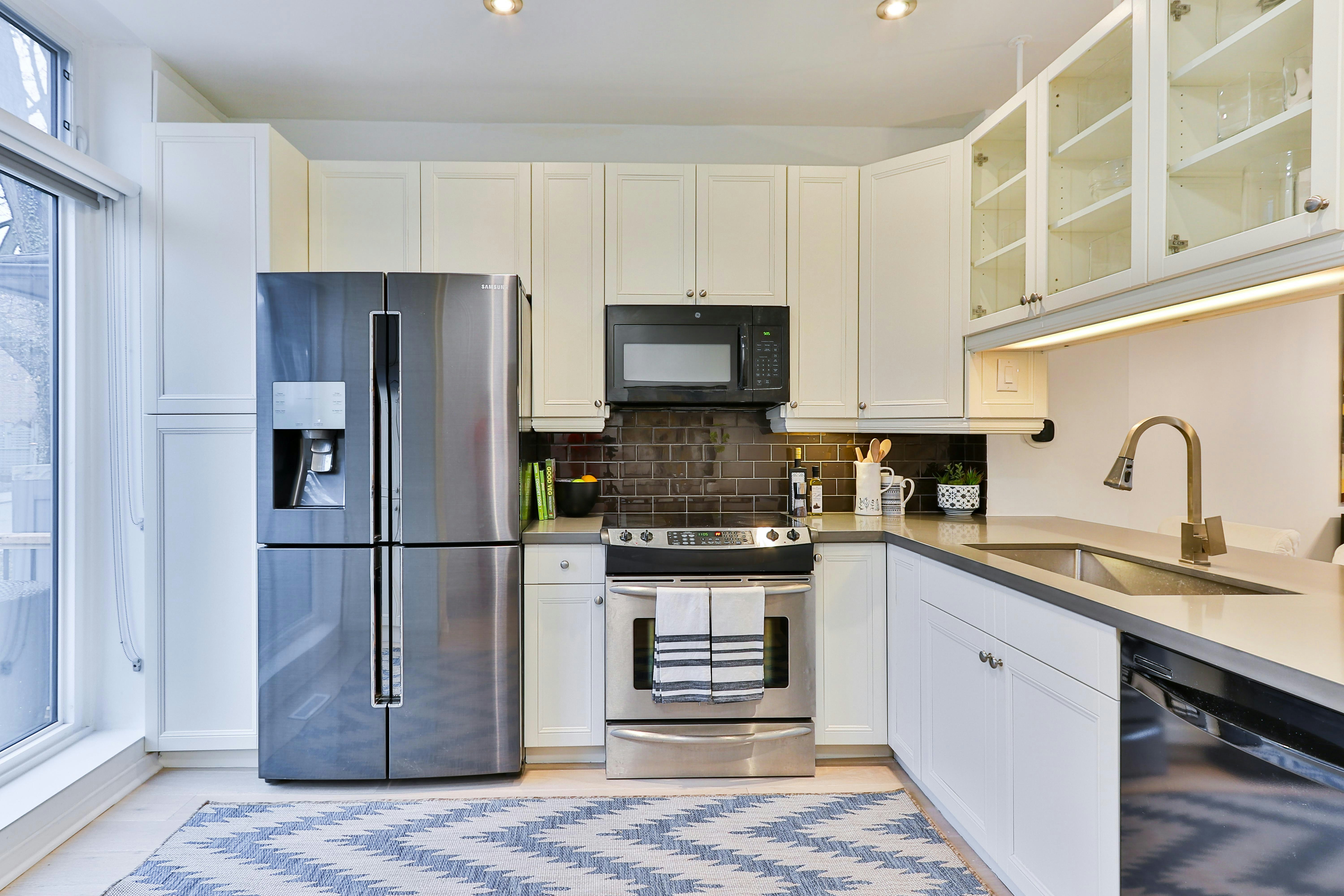
Residential renovation trends reflecting modern interior upgrades and evolving home design preferences
At the same time, homeowners are prioritizing both comfort and functionality, with practical improvements such as better lighting, storage, and energy-efficient solutions becoming just as important as aesthetics3.
Why Malaysians Are Spending More on Their Homes
Several key factors are contributing to the rapid rise in home improvement activity across Malaysia, reshaping how people think about their living spaces.
1. Rising Disposable Income
As incomes increase, more households are allocating budgets toward home upgrades, viewing renovations as long-term investments rather than luxury expenses4.
2. The Shift Toward Personalization
Consumers are increasingly designing homes that reflect their identity and lifestyle, following a broader global shift toward customized living environments5.
3. Post-Pandemic Lifestyle Changes
Spending more time at home has permanently changed expectations, with homeowners prioritizing spaces like home offices, upgraded kitchens, and outdoor areas for relaxation and productivity6.
4. The Rise of DIY Culture
DIY home improvement has become mainstream, with more people taking on projects themselves thanks to easy access to tools, tutorials, and affordable materials7.
- Cost savings
- Creative control
- Personal satisfaction
The Retail Boom: From Small Shops to Billion-Dollar Giants
The rapid growth of the home improvement market is clearly reflected in the expansion of major retail players across Malaysia.
Mr. DIY: A Local Success Story
One of the most prominent examples is the rise of a homegrown retailer that evolved from a single store into a multi-billion-dollar business, demonstrating the massive demand for affordable home improvement products8.
Their success highlights how accessibility, pricing, and product variety have become critical factors in capturing consumer interest within this expanding market.
Market Competition and Consumer Choice
The competitive landscape continues to evolve, with retailers focusing on affordability, convenience, and diverse product offerings to attract a wide range of customers9.
- Lower prices
- Wider product selection
- Improved customer experience
The Backbone of Growth: Supply Chains and Materials
Behind every successful renovation project is a robust supply chain that ensures materials are readily available and projects can be completed efficiently.
Material suppliers and distributors play a crucial role in maintaining consistency in pricing, availability, and delivery timelines, supporting the overall expansion of the sector10.
Learning from Global Markets
Malaysia’s growth mirrors global trends, where home improvement continues to thrive even during uncertain economic conditions due to its essential and lifestyle-driven nature11.
Strong retail ecosystems, including physical stores and digital platforms, are also key contributors to sustained growth by making products and services more accessible to consumers12.
In parallel, emerging markets are seeing a shift toward lifestyle-focused renovations, where emotional satisfaction and personalization play a major role in home improvement decisions.
The Role of Retail Infrastructure
Retail infrastructure has become a critical enabler of growth, offering not just products but also guidance, inspiration, and support for homeowners embarking on renovation projects.
Modern stores and online platforms make it easier for consumers to explore ideas, compare options, and execute their home improvement plans efficiently.
Key Trends Shaping the Future
The future of Malaysia’s home improvement market will be defined by several emerging trends that continue to reshape consumer behavior and expectations.
1. Smart Homes and Technology
Smart home solutions such as automated lighting, security systems, and energy-efficient appliances are becoming increasingly popular, enhancing both convenience and long-term savings.
2. Sustainable Living
Environmental awareness is driving demand for eco-friendly materials and energy-efficient upgrades, making sustainability a core focus in renovation projects.
3. Smaller, Smarter Spaces
Urbanization is encouraging innovative design solutions that maximize functionality in smaller living spaces.
4. Hybrid DIY Models
Many homeowners are combining DIY efforts with professional services, balancing cost savings with quality results.
Challenges to Watch
Despite strong growth, the industry faces challenges such as rising material costs, skill gaps in DIY projects, and increasing pressure on supply chains.
What This Means for Businesses
Businesses have significant opportunities to grow by expanding product offerings, enhancing digital platforms, and providing value-added services that simplify the renovation process for customers.
What This Means for Homeowners
Homeowners now have greater access to tools, materials, and inspiration, giving them more control over how they design and improve their living spaces.
The Big Picture
The home improvement boom in Malaysia reflects a deeper transformation in lifestyle, where homes are no longer just functional spaces but expressions of identity, comfort, and long-term investment.
With strong economic drivers and evolving consumer preferences, the sector is well-positioned for continued growth in the coming years.
Final Thoughts
In 2026, home improvement in Malaysia represents a shift toward better living, combining functionality, personalization, and innovation.
As more people invest in their homes, the market will continue to evolve, offering exciting opportunities for both businesses and homeowners alike.
Frequently Asked Questions
Question: Why is home improvement growing rapidly in Malaysia?
Answer: The growth is driven by rising incomes, lifestyle changes, increased time spent at home, and a growing interest in personalized living spaces.
Question: What are the most popular home improvement trends in 2026?
Answer: Key trends include smart home technology, sustainable materials, space optimization, and hybrid DIY approaches combining professional and personal work.
Question: Is DIY home improvement cost-effective?
Answer: Yes, DIY projects can save money and offer creative control, but complex tasks may still require professional assistance to avoid costly mistakes.
Disclaimer: The information is provided for general information only. BridgeProperties makes no representations or warranties in relation to the information, including but not limited to any representation or warranty as to the fitness for any particular purpose of the information to the fullest extent permitted by law. While every effort has been made to ensure that the information provided in this article is accurate, reliable, and complete as of the time of writing, the information provided in this article should not be relied upon to make any financial, investment, real estate or legal decisions. Additionally, the information should not substitute advice from a trained professional who can take into account your personal facts and circumstances, and we accept no liability if you use the information to form decisions.