)
.webp)
Malaysian Home Renovation Market Trends: What’s Driving the Boom in 2026
Key Takeaways
- Property-Driven Demand: Rising homeownership and investment activity are fueling consistent renovation needs.
- Shift Toward Affordability: Malaysians are prioritizing budget-friendly and DIY renovation solutions.
- Retail-Style Renovation: Integrated hubs are simplifying renovation with all-in-one services.
- Sustainability Focus: Eco-friendly upgrades and energy efficiency are becoming standard choices.
- Future-Ready Homes: Designs now consider ageing populations and long-term usability.
- Digital Integration: Smart technologies and online tools are reshaping renovation experiences.
Introduction to Malaysia’s Renovation Boom
The Malaysian home renovation market in 2026 reflects more than aesthetic upgrades—it mirrors broader shifts in lifestyle, sustainability, and economic priorities. Homeowners are increasingly treating renovation as a long-term investment rather than a short-term improvement.
)
Modern residential interiors reflecting renovation trends focused on comfort, efficiency, and future-ready living
Home renovation activity in Malaysia is being shaped by rising property ownership, cost-conscious upgrades, and growing interest in sustainability and smart living. Economic growth, demographic shifts, and evolving lifestyles are encouraging homeowners to modernize spaces for long-term value and comfort.
A Property Market That Fuels Renovation Demand
Malaysia’s renovation momentum is closely tied to its property market, where consistent housing demand continues to support long-term growth. As more Malaysians purchase homes, renovation becomes an immediate next step to improve functionality and value1.
Property ownership remains a popular wealth-building strategy, and many buyers plan upgrades right after acquiring a home. This behavior ensures a steady stream of renovation activity across different segments of homeowners2.
This ongoing cycle of buying and upgrading keeps the renovation market active and resilient, supported by both first-time homeowners and seasoned investors.
The Rise of Budget-Friendly Home Improvement
Affordability has become a defining factor in Malaysian renovation trends, with homeowners opting for smaller, cost-effective improvements rather than large-scale remodeling projects. The popularity of low-cost home improvement retailers highlights this growing preference3.
This shift reflects a broader behavioral change where homeowners are more hands-on and selective with spending. DIY solutions and phased renovations are becoming common as people balance upgrades with financial caution4.
New Retail Concepts Are Changing How Malaysians Renovate
The emergence of integrated renovation hubs is transforming how Malaysians approach home improvement. These spaces combine design services, materials, and contractors into a single location, simplifying what was once a fragmented process5.
This retail-style approach improves transparency, reduces delays, and enhances customer experience, making renovation more accessible and structured for modern homeowners.
Construction Industry Growth Sets the Foundation
Malaysia’s construction sector continues to play a critical role in supporting renovation demand. As new developments expand and infrastructure improves, more properties enter the market, each bringing potential renovation opportunities.
This growth creates a ripple effect across industries, increasing demand for skilled labor, materials, and renovation services while strengthening the overall housing ecosystem.
Materials Matter: The Role of the Ceramic Industry
Materials remain a key driver of renovation trends, with ceramic tiles being one of the most widely used elements in Malaysian homes. Their durability, affordability, and design versatility make them a preferred choice for kitchens and bathrooms6.
As demand grows, innovation in materials is also increasing, with eco-friendly options and modern finishes shaping contemporary interior design preferences.
Sustainability Is No Longer Optional
Sustainability is becoming a central focus in Malaysian home renovation, driven by national goals to reduce carbon emissions and improve energy efficiency. Homeowners are increasingly adopting greener solutions in their upgrades7.
From solar panels to energy-efficient appliances and improved insulation, renovation decisions are now influenced by both environmental concerns and long-term cost savings8.
Designing for an Ageing Population
Malaysia’s demographic shift toward an ageing population is influencing how homes are designed and renovated. Increasing awareness around long-term living needs is encouraging more practical and accessible home layouts9.
Features such as step-free access, wider doorways, and safety installations are becoming standard considerations, especially in multi-generational households.
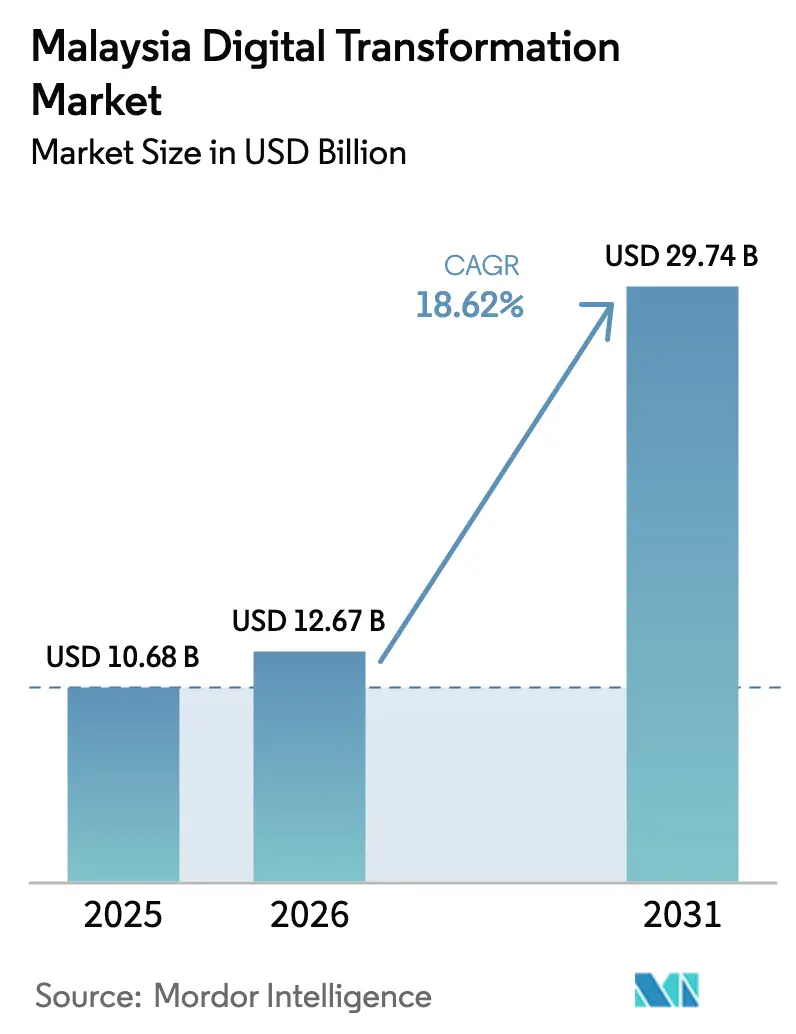
Digital Transformation Is Entering the Renovation Space
Digital tools and smart technologies are increasingly shaping renovation experiences in Malaysia. Homeowners now use online platforms to find contractors, compare prices, and visualize designs before starting projects10.
Combined with steady economic development, these innovations are accelerating efficiency and transforming how renovation projects are planned and executed11.
Key Malaysian Home Renovation Market Trends to Watch
- Renovation as a Necessity: Home upgrades are increasingly expected after property purchases.
- Cost-Conscious Spending: Smaller, strategic improvements are replacing major renovations.
- Integrated Solutions: One-stop renovation hubs are improving efficiency and convenience.
- Sustainability Adoption: Eco-friendly upgrades are becoming mainstream.
- Future-Focused Design: Homes are being adapted for ageing and long-term use.
- Technology Integration: Smart systems and digital tools are becoming essential.
Challenges Facing the Renovation Market
- Economic Uncertainty: Consumer spending remains cautious.
- Labor Shortages: Skilled workers are in high demand.
- Material Costs: Prices continue to fluctuate.
- Project Delays: Supply chain disruptions impact timelines.
What This Means for Homeowners and Investors
Homeowners are becoming more strategic, focusing on renovations that deliver long-term value, improve efficiency, and enhance daily living rather than purely aesthetic upgrades.
For investors, renovation remains a powerful tool to increase rental yields and property value, but success now depends on careful planning, budgeting, and understanding market trends.
Final Thoughts: A Market in Transition
The Malaysian home renovation market in 2026 is evolving rapidly, shaped by economic growth, sustainability goals, and changing lifestyles.
As homeowners continue to adapt their spaces for the future, renovation will remain a key driver of how living environments evolve across the country.
Frequently Asked Questions
Question: Why is home renovation booming in Malaysia in 2026?
Answer: The boom is driven by increased property ownership, changing lifestyles, and a growing focus on sustainability and smart living solutions.
Question: What types of renovations are most popular?
Answer: Budget-friendly upgrades, energy-efficient improvements, and functional design changes are among the most popular renovation choices.
Question: How is technology influencing home renovation?
Answer: Technology enables homeowners to use digital tools for planning, visualization, and contractor selection, while smart home systems enhance functionality.
Disclaimer: The information is provided for general information only. BridgeProperties makes no representations or warranties in relation to the information, including but not limited to any representation or warranty as to the fitness for any particular purpose of the information to the fullest extent permitted by law. While every effort has been made to ensure that the information provided in this article is accurate, reliable, and complete as of the time of writing, the information provided in this article should not be relied upon to make any financial, investment, real estate or legal decisions. Additionally, the information should not substitute advice from a trained professional who can take into account your personal facts and circumstances, and we accept no liability if you use the information to form decisions.