)
.webp)
Home Improvement Market Malaysia: A Booming Industry Reshaping Homes in 2026
Key Takeaways
- Rapid Market Growth: Rising incomes and lifestyle changes are driving strong demand for home improvements.
- Diverse Spending Trends: Malaysians are investing in everything from DIY upgrades to full-scale renovations.
- Retail Expansion: Major players are reshaping the market with affordability and accessibility.
- Regional Opportunities: Expansion beyond Malaysia is opening new growth avenues for businesses.
- Future-Driven Innovation: Smart technology and sustainability are shaping the next phase of home improvement.
A Market on the Rise
The Home Improvement Market Malaysia is experiencing rapid growth as more consumers invest in upgrading their living spaces. Increased household spending and evolving lifestyle preferences have fueled steady demand for home-related products, making the sector one of the most dynamic in retail and construction1.
Rather than focusing solely on repairs, homeowners are now redesigning their interiors to match modern aesthetics and comfort. From space-saving solutions to stylish renovations, the shift reflects a deeper focus on quality living environments.
Long-term projections indicate sustained expansion, driven by urbanization, a growing middle class, and increasing interest in DIY projects. These factors continue to push Malaysians toward consistent home upgrades2.
What Malaysians Are Spending On
The home improvement market spans a wide range of project types, from minor fixes to major renovations, reflecting diverse consumer needs and budgets.
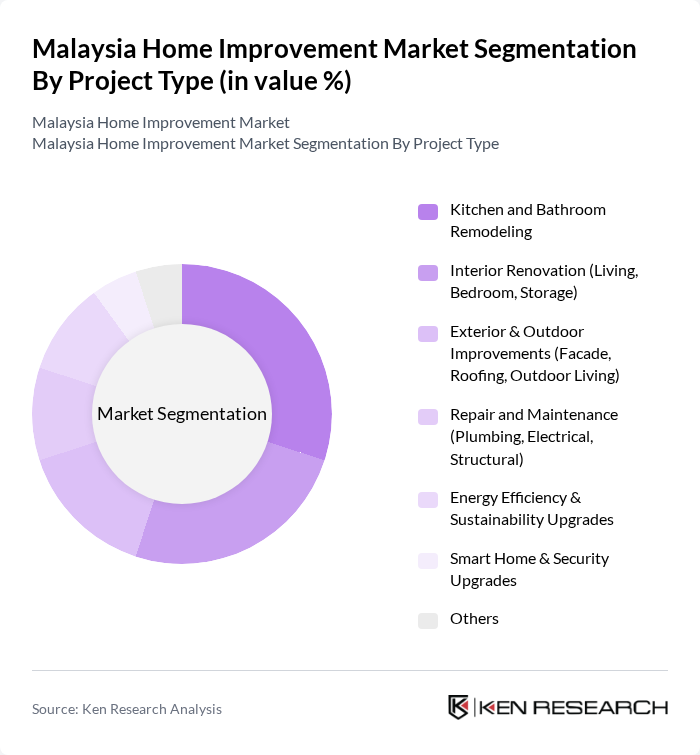
Market segmentation highlighting various home improvement project categories and consumer groups in Malaysia
Spending patterns vary significantly, with some homeowners focusing on cosmetic upgrades while others invest in large-scale remodeling projects such as kitchens and flooring. Landlords also play a key role by upgrading properties for rental purposes.
This broad customer base ensures that the Home Improvement Market Malaysia remains resilient and adaptable, catering to both budget-conscious DIY enthusiasts and premium renovation clients.
The Rise of Mr DIY: A Retail Giant
One of the most influential players in Malaysia’s home improvement landscape is Mr DIY, known for its wide product range and affordable pricing strategy. Its approach has made home improvement accessible to a larger segment of the population3.
The company’s growth from a single store into a major retail network highlights the strong demand for convenient and cost-effective home improvement solutions across the country4.
By combining affordability with accessibility, large retailers have turned home improvement into a routine activity rather than a costly undertaking, further accelerating market growth.
Not All Smooth Sailing: Challenges in the Market
Despite strong growth, the market faces several challenges, particularly intense competition and rising operational costs. Businesses must balance affordability with quality while maintaining sustainable growth5.
Additional pressure comes from shifting consumer expectations, where customers demand better product quality, wider variety, and seamless shopping experiences.
Supply chain disruptions and global economic factors further complicate operations, requiring companies to stay agile and responsive in a competitive environment.
Expanding Beyond Malaysia
Malaysian companies are increasingly looking beyond domestic borders to sustain growth. Expansion into neighboring markets presents both opportunities and challenges as businesses adapt to new consumer behaviors and regulations6.
Southeast Asia’s growing population and rising income levels create a fertile environment for home improvement expansion, making regional growth a strategic priority.
This broader trend shows that Malaysia is part of a larger regional shift toward increased home improvement spending and modernization7.
Malaysia in the Global Context
Malaysia’s home improvement boom aligns with global trends where homeowners are prioritizing lifestyle upgrades and personalized spaces. Similar patterns can be seen in other emerging markets, where renovation demand continues to rise8.
Locally, the market reflects a combination of domestic demand and global influences, reinforcing its position as a key growth sector within the broader economy9.
The Role of DIY Culture
DIY culture has become a significant driver of the Home Improvement Market Malaysia, as more individuals take on small projects themselves rather than relying entirely on professionals.
Access to affordable tools, online tutorials, and user-friendly products has made it easier for homeowners to participate in home upgrades.
This shift not only reduces costs but also adds a sense of creativity and personalization, further boosting market demand.
Technology and Innovation in Home Improvement
Technology is transforming how Malaysians approach home improvement, with smart devices and energy-efficient solutions becoming increasingly popular.
Modern innovations such as smart lighting, eco-friendly materials, and digital planning tools are making homes more functional and sustainable.
These advancements are helping drive the next phase of growth in the industry, aligning with changing consumer expectations and lifestyle needs.
What This Means for Homeowners
For homeowners, the expanding market offers greater accessibility, competitive pricing, and a wide variety of products and services.
However, the abundance of options can make decision-making challenging, requiring careful planning to ensure meaningful and cost-effective improvements.
Focusing on upgrades that enhance both comfort and long-term property value remains essential.
Looking Ahead: The Future of Home Improvement in Malaysia
The future of the Home Improvement Market Malaysia looks promising, with continued growth expected in the coming years driven by urban development and evolving consumer needs.
Trends such as sustainability, digitalization, and e-commerce are set to play a major role in shaping the industry’s direction.
Businesses that adapt to these changes will be well-positioned to succeed in an increasingly competitive landscape.
Final Thoughts
The Home Improvement Market Malaysia in 2026 reflects a broader shift in how people view their living spaces, turning homes into personalized and functional environments.
With strong demand, diverse offerings, and continuous innovation, the industry is set to remain a key driver of economic and lifestyle transformation.
As trends continue to evolve, the market’s growth signals an exciting future for both homeowners and businesses.
Frequently Asked Questions
Question: What is driving the growth of the home improvement market in Malaysia?
Answer: The growth is driven by rising incomes, urbanization, lifestyle changes, and increasing interest in DIY and home personalization.
Question: What types of projects are most common in Malaysia?
Answer: Common projects include painting, flooring upgrades, kitchen renovations, and small DIY improvements.
Question: How is technology influencing home improvement trends?
Answer: Technology is introducing smart home devices, energy-efficient solutions, and digital planning tools that make homes more functional and modern.
Disclaimer: The information is provided for general information only. BridgeProperties makes no representations or warranties in relation to the information, including but not limited to any representation or warranty as to the fitness for any particular purpose of the information to the fullest extent permitted by law. While every effort has been made to ensure that the information provided in this article is accurate, reliable, and complete as of the time of writing, the information provided in this article should not be relied upon to make any financial, investment, real estate or legal decisions. Additionally, the information should not substitute advice from a trained professional who can take into account your personal facts and circumstances, and we accept no liability if you use the information to form decisions.
