)
.webp)
Used Car Profit Margin Malaysia: What Dealers Really Earn in 2026
Key Takeaways
- Profit Margins Vary: Dealer earnings differ widely depending on vehicle type, demand, and negotiation.
- Hidden Costs Matter: Repairs, logistics, and overhead significantly reduce actual profit margins.
- Technology Is Disrupting: Increased transparency is reducing information gaps between buyers and sellers.
- Volume Over Margin: Dealers rely more on turnover than high per-car profits.
- Market Competition Rising: Online platforms and consumer awareness are tightening margins further.
The Reality Behind Used Car Profit Margins in Malaysia

Rows of pre-owned vehicles displayed in a dealership setting reflecting market variety and pricing differences
The topic of used car profit margin Malaysia has become one of the most talked-about trends in the automotive space this year. As more Malaysians turn to pre-owned vehicles due to rising living costs and long waiting times for new cars, questions around dealer profits, pricing transparency, and market fairness are growing louder.
There is no fixed number when it comes to dealer earnings. Profit margins vary widely depending on vehicle condition, brand, demand, and negotiation. Some deals generate minimal returns while others are more profitable depending on timing and sourcing strategy1.
This variability explains why two similar cars can be priced very differently. Buyers often find this confusing and may assume heavy markups, especially when depreciation should lower prices over time2.
For sellers aiming to improve marketplace trust and visibility, understanding these dynamics is essential and aligns with broader online selling strategies3.
Why Used Car Prices Feel High
A common belief is that dealers make large profits on each sale, but this is often misleading. Pricing includes multiple hidden costs beyond just the purchase price, which significantly impact margins4.
- Refurbishment and repairs
- Loan processing and admin fees
- Warranty offerings
- Storage and showroom costs
- Marketing and platform fees
These expenses quickly reduce the actual profit. What appears as a large markup is often much smaller after costs are accounted for.
This reflects similar challenges faced in online marketplaces where compliance, documentation, and operational costs affect profitability5.
Inside a Dealer’s Business: Thin Margins, High Risk
The used car business is often misunderstood as highly profitable, but real-world insights show it involves significant risks. Success depends more on volume, timing, and sourcing than high margins per vehicle6.
- Cars sitting unsold for long periods
- Unexpected repair costs
- Market price fluctuations
- Customer negotiation pressure
Dealers often prefer quicker sales at lower margins rather than holding inventory for extended periods.
The Role of Brand: Why Some Cars Earn More
Brand plays a significant role in determining profit margins. Premium vehicles tend to retain stronger margins due to consistent demand and perceived value7.
- Premium brands = higher potential margins
- Mass-market brands = lower margins but higher volume
- Less reliable brands = harder to sell
This is why dealers carefully curate their inventory based on demand trends.
Technology Is Changing the Game
Technology is reshaping how used cars are bought and sold. Tools that allow instant vehicle history checks are reducing information gaps and increasing transparency in the market8.
- Buyers can detect hidden issues
- Sellers must price more accurately
- Trust becomes a competitive advantage
This shift is reducing the ability for dealers to rely on information asymmetry for higher profits.
The Rise of Online Used Car Platforms
Digital platforms are transforming the used car market by standardizing pricing and improving transaction efficiency. This has increased competition and reduced inconsistencies in pricing9.
- Standardized pricing models
- Inspection and certification systems
- Faster transactions
For buyers, this means greater consistency. For dealers, it means tighter margins.
How Dealers Maximize Profit Margins
Despite increasing competition, dealers use strategic methods to maintain profitability, focusing on efficiency and value-added services10.
- Dynamic pricing based on market trends
- Improved vehicle condition and presentation
- Add-ons like warranties and financing
- Efficient inventory turnover
Profitability depends on managing the full lifecycle of each vehicle rather than just markup.
Malaysia’s Growing Used Car Market
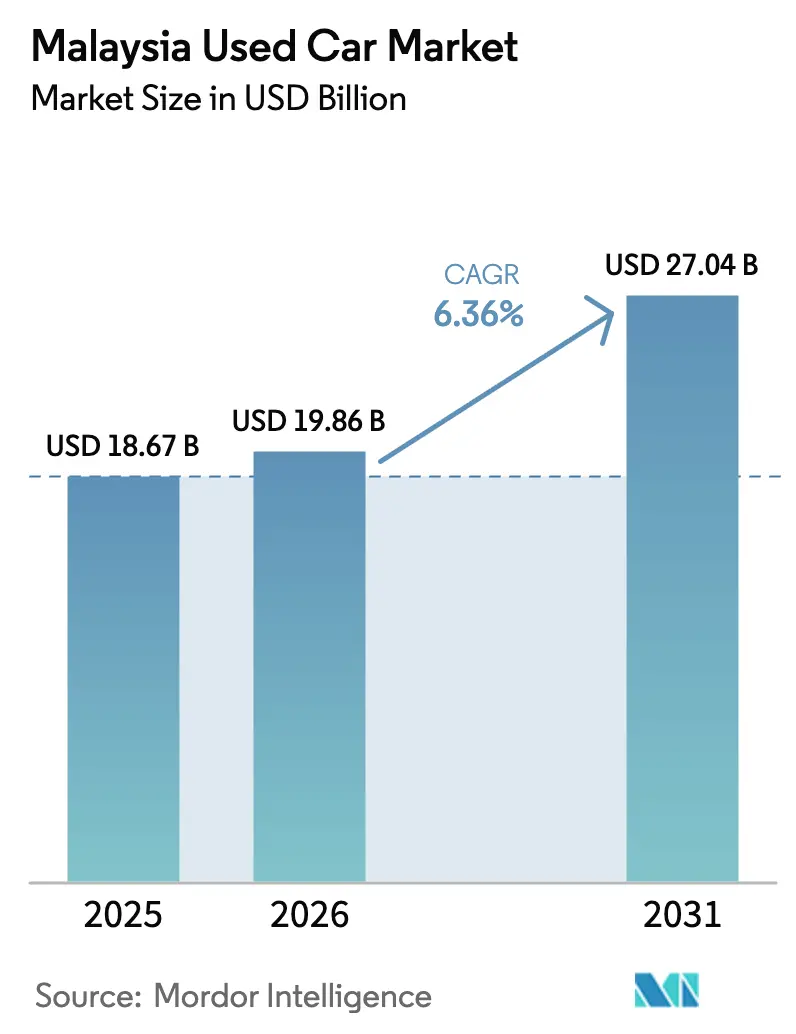
The used car market in Malaysia continues to expand as consumers prioritize affordability and practicality. Demand is rising due to economic conditions and shifting preferences11.
- Rising new car prices
- Faster depreciation
- Growth of certified pre-owned options
This increased demand also leads to stronger competition among dealers.
Global Trends Influencing Malaysia
Global developments are shaping the Malaysian used car market, particularly changes in regulations, sustainability priorities, and ownership models12.
These trends are gradually influencing pricing strategies and business models across Southeast Asia.
So, What Is the Average Profit?
While exact figures vary, industry discussions suggest that per-car profits are generally modest rather than excessive. Many transactions operate on tight margins, especially in competitive segments13.
- Profit per car is often low
- Volume matters more than margin
- Experience improves profitability
This highlights that the business relies on consistency rather than large individual gains.
Final Thoughts: A Market in Transition
The used car market in Malaysia is undergoing rapid change driven by technology, competition, and evolving consumer expectations.
Profit margins are no longer the sole focus. Transparency, efficiency, and trust are becoming the defining factors for long-term success in the industry.
As the market continues to evolve, both buyers and dealers must adapt to a more informed and competitive environment.
Frequently Asked Questions
Question: Do used car dealers in Malaysia make high profits?
Answer: Not always. While some deals may yield higher returns, most dealers operate on relatively slim margins due to costs and competition.
Question: Why are used cars still expensive despite depreciation?
Answer: Prices include repair costs, operational expenses, and demand factors, which can keep resale values higher than expected.
Question: Can buyers negotiate used car prices in Malaysia?
Answer: Yes, negotiation is common, and there is usually some flexibility depending on the car and market conditions.
Disclaimer: The information is provided for general information only. BridgeProperties makes no representations or warranties in relation to the information, including but not limited to any representation or warranty as to the fitness for any particular purpose of the information to the fullest extent permitted by law. While every effort has been made to ensure that the information provided in this article is accurate, reliable, and complete as of the time of writing, the information provided in this article should not be relied upon to make any financial, investment, real estate or legal decisions. Additionally, the information should not substitute advice from a trained professional who can take into account your personal facts and circumstances, and we accept no liability if you use the information to form decisions.