)
.webp)
Malaysian Home Improvement Retail Market: The Rise of MR. DIY and a Booming Industry in 2026
Key Takeaways
- Market Growth: Malaysia’s home improvement sector is expanding rapidly due to urbanization and lifestyle changes.
- MR. DIY Dominance: The brand has grown into a multi-billion-dollar retail giant by focusing on affordability and accessibility.
- Consumer Shift: DIY culture and home-focused living are driving demand across the market.
- Expansion Strategy: Rapid store openings and international growth have strengthened MR. DIY’s presence.
- Future Trends: Technology, personalization, and urban growth will shape the industry’s next phase.
A Market on the Rise
The Malaysian Home Improvement Retail Market is experiencing strong growth, driven by urbanization, rising incomes, and changing consumer behavior. More Malaysians are investing in their homes, whether through small upgrades or full renovations, reflecting a shift toward more home-centered lifestyles1.
This surge is closely tied to broader lifestyle trends, including increased time spent at home, growing interest in DIY projects, and easier access to affordable tools and materials. Home improvement is no longer seen as a luxury but as a practical and essential part of everyday living, supported by evolving consumer preferences and innovation in retail offerings2.
Meet the Giant: MR. DIY’s $5 Billion Story
At the center of this growing market is MR. DIY, a brand that has transformed from a single store into a retail powerhouse valued at around $5 billion. Its rapid rise highlights how a clear focus on affordability and accessibility can unlock massive market potential3.
By offering a wide range of everyday products at low prices and placing stores in convenient locations, MR. DIY has successfully reached a diverse customer base. From students to families, the brand’s approach has made home improvement products accessible to nearly everyone.
One Image That Explains It All
)
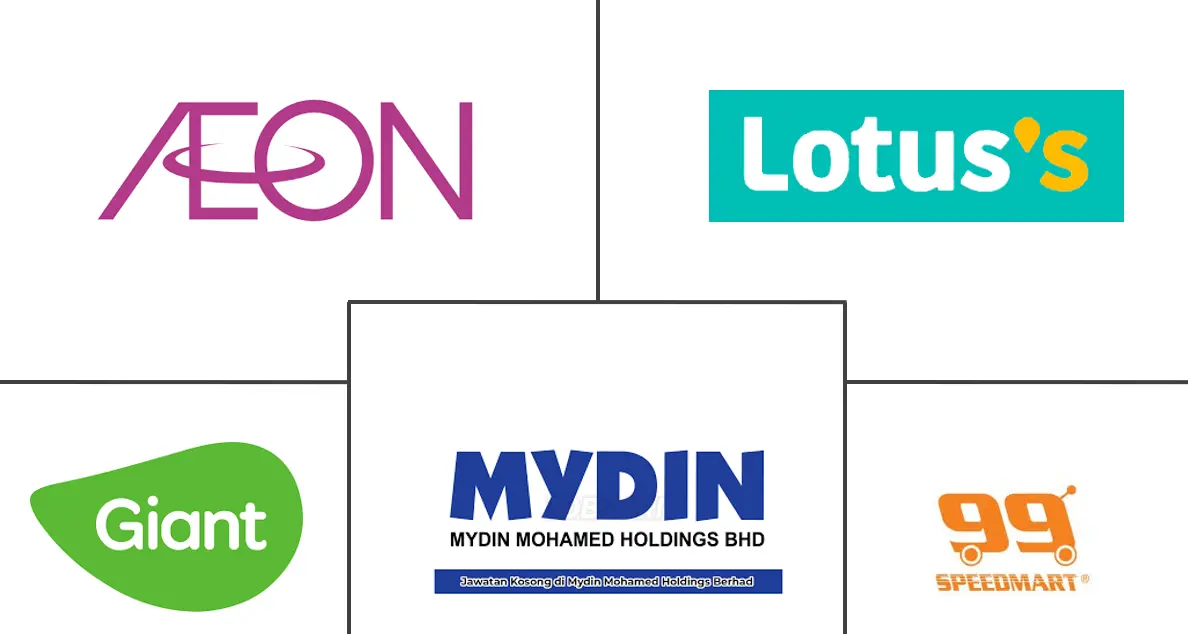
Overview of Malaysia’s retail landscape highlighting growth trends and competitive market dynamics
The Malaysian retail ecosystem is diverse and highly competitive, with numerous players operating across different segments. Within this environment, home improvement retailers have found strong growth opportunities by catering to practical, everyday needs4.
MR. DIY stands out by maintaining a focused strategy centered on affordability and variety, allowing it to thrive even in a crowded marketplace while continuing to expand its influence.
The Power of Rapid Expansion
One of the key drivers of MR. DIY’s success is its aggressive expansion strategy. The company once targeted opening 175 stores within a single year, significantly increasing its reach across Malaysia and reinforcing its accessibility to customers nationwide5.
This expansion strategy ensures that stores are located where customers already shop, such as malls and neighborhood centers, making it easy for consumers to access products whenever needed.
Beyond Malaysia, MR. DIY has also expanded internationally, including entering markets like South Africa, demonstrating its ambition to become a global retail player6.
What Makes MR. DIY So Popular?
MR. DIY’s popularity goes beyond just low prices. The brand creates a shopping experience centered on convenience and discovery, offering thousands of products across categories in a single location.
This “treasure hunt” style experience encourages customers to explore and often purchase more than they initially intended. Social engagement also plays a role, with customers frequently sharing creative uses and product finds online, strengthening the brand’s connection with everyday life7.
Challenges Along the Way
Despite its success, MR. DIY has faced challenges, particularly during the COVID-19 pandemic. Lockdowns significantly reduced foot traffic, leading to a sharp decline in same-store sales and highlighting the vulnerability of physical retail during global disruptions8.
However, the company demonstrated resilience by continuing to invest in long-term growth strategies and preparing for recovery as restrictions eased.
Big Money Moves: IPO and Growth Strategy
To support its expansion, MR. DIY pursued a RM1.5 billion IPO aimed at strengthening its footprint across Malaysia and the wider region. This move reflects a long-term vision focused on scaling operations and enhancing market presence9.
The company’s strategy includes expanding store networks, improving supply chains, and building a stronger brand identity. Leadership presentations also emphasize governance and transparency, reinforcing confidence among investors and stakeholders10.
Industry Recognition and Leadership
MR. DIY has received industry recognition for its innovation and leadership in the home improvement sector. Awards such as those from industry bodies highlight its impact and reinforce its position as a market leader shaping retail trends11.
Such recognition not only enhances brand credibility but also signals strong performance to investors and partners.
Why the Malaysian Market Is Unique
Malaysia’s retail landscape offers unique advantages, including strong mall culture, dense urban populations, and a growing middle class. These factors create an ideal environment for retailers that prioritize accessibility and affordability.
MR. DIY benefits from this environment by offering a flexible retail model that caters to diverse consumer needs, making it a go-to destination for everyday essentials.
The Role of Affordability in 2026
In 2026, affordability remains a key factor influencing consumer decisions. Rising living costs have made value-driven shopping more important than ever, pushing consumers toward brands that offer quality at lower prices.
MR. DIY’s business model aligns perfectly with this demand, providing cost-effective solutions that allow customers to improve their homes without overspending.
The Future of the Malaysian Home Improvement Retail Market
The future of the Malaysian Home Improvement Retail Market looks promising, with continued growth expected as urbanization accelerates and consumer expectations evolve. Technology, personalization, and smart home integration are likely to play a larger role in shaping the industry12.
Retailers that combine affordability with engaging shopping experiences will be best positioned to succeed in this evolving landscape.
A Retail Story Bigger Than One Brand
While MR. DIY stands out as a dominant player, it is part of a broader retail ecosystem that continues to evolve. The company’s success demonstrates how understanding customer needs and executing a clear strategy can drive long-term growth.
Ultimately, the Malaysian home improvement market reflects a larger shift toward practical, accessible, and customer-focused retail solutions.
Final Thoughts
The Malaysian Home Improvement Retail Market in 2026 is dynamic and full of opportunity. MR. DIY’s journey from a single store to a billion-dollar enterprise highlights the power of affordability, accessibility, and strategic expansion.
As the market continues to grow, it will remain an important space to watch, shaped by changing lifestyles and evolving consumer expectations.
Frequently Asked Questions
Question: What is driving the growth of Malaysia’s home improvement market?
Answer: The market is driven by urbanization, rising incomes, increased homeownership, and growing interest in DIY and home upgrades.
Question: Why is MR. DIY so successful?
Answer: Its success comes from offering affordable products, a wide selection, convenient store locations, and an engaging shopping experience.
Question: What trends will shape the future of this market?
Answer: Key trends include smart home technology, personalized retail experiences, continued urban growth, and the expansion of DIY culture.
Disclaimer: The information is provided for general information only. BridgeProperties makes no representations or warranties in relation to the information, including but not limited to any representation or warranty as to the fitness for any particular purpose of the information to the fullest extent permitted by law. While every effort has been made to ensure that the information provided in this article is accurate, reliable, and complete as of the time of writing, the information provided in this article should not be relied upon to make any financial, investment, real estate or legal decisions. Additionally, the information should not substitute advice from a trained professional who can take into account your personal facts and circumstances, and we accept no liability if you use the information to form decisions.